

Hand Press Machines
What Is Hand Press Machines?
Hand press machines are manually operated devices that apply pressure to shape, cut, or assemble materials. Hand press machines rely solely on human power, unlike their hydraulic or pneumatic counterparts, making them ideal for small-scale operations and precision tasks. Their compact size and ease of use make them accessible to many users
Advantages of Hand Press Machines
Simple and effective design
Their simple design hasn’t changed much over the years but that’s what makes them great. In turn they are easy to operate and the costs to maintain it are minimal.
Low maintenance costs
They have a simplistic design, so a manual press doesn’t have many moving parts. Therefore, fewer things can go wrong. However, should you need to, parts for manual presses are generally inexpensive, easy to come by, and straightforward to fix.
Excellent control
Our machines have the ability for multi-action operation. As a result, you will have better control for reduced risk of damage to the machine or tools. Furthermore, you can control the pressure of the press to suit the application. You can adjust the ram force, pressure release, the direction and the speed accordingly depending on the job.
Smooth and accurate pressing
A workshop press delivers a smooth, even pressure throughout the ram stroke. This allows accurate tonnages to be achieved at any point of the ram travel.
Extremely versatile
Manual presses are extremely versatile, which is why so many industries use them.
-
 Power Press Machine Second HandPowder press machine second hand is a mechanical device that presses powdered materials into sheets, blocks, or other desired shapes. It has a wide range of applications in various industries such asAdd to Inquiry
 -
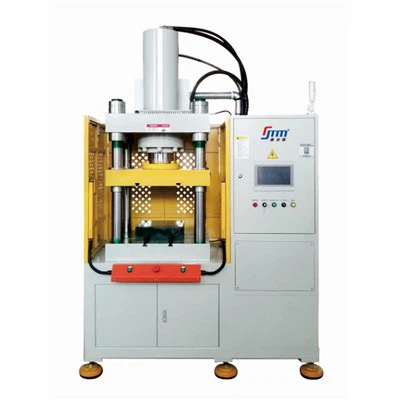 Hand Power PressHand Power Press, A manual press is an equipment that applies pressure through manual operation to complete the cutting, forming, stamping and other processes of materials. Hand Power Press is widelyAdd to Inquiry
 -
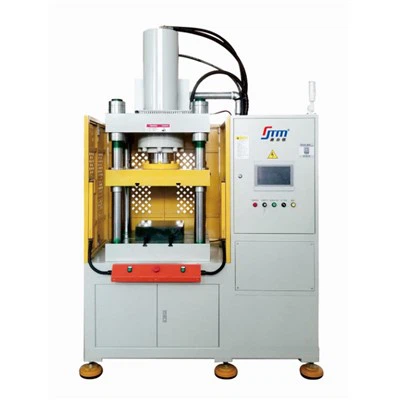 Hand Power Press MachineCompact and flexible: hand power press machine has a relatively small size, making it easy to carry and move, making it suitable for use in various situations.. No power required: Due to manualAdd to Inquiry
 -
 Power Press Second HandPower Press Second Hand refers to power pressure mechanical equipment that has been used but still maintains a certain level of working ability and market value. Power Press Second Hand has a wideAdd to Inquiry
 -
 Second Hand 10 Ton Power PressA second-hand 10 ton powder press is a key equipment used in powder metallurgy, magnetic materials, electronic components, and other fields. It can compress powder materials into molds to produceAdd to Inquiry


Our factory
Shenzhen xintaiming intelligent equipment co., ltd. Was established in 2008 and is a manufacturer of precision press equipment and intelligent systems with nearly 20 years of experience in the hydraulic equipment industry.
Advanced equipment
Having multiple production equipment, such as high-precision cnc machine tools, large water mills, precision carving machines, cutting machines, milling machines, etc.
High quality
Our products are manufactured to very high standards, using the finest materials and manufacturing processes.
Customized services
According to customer needs and scenarios, to provide personalized customized program to meet the special needs of customers.
24h online service
We try and respond to all concerns within 24 hours and our teams are always at your disposal in case of any emergencies.

Types of Hand Press Machines
Gap frame press
It has the larger frame opening part which indicates the wide gap between ram and bed. It is also called c-frames machines. This type of machine is beneficial for the accommodation of large workpieces with longer beds .
Inclinable frame press
It is known as inclinable frame press because of the flexibility of the frame. The frame is tilted back up to some angle. It’s also known as the open back inclinable press since its rear is open to allow scrap to depart.
Adjustable bed frame press
Because it has a knee-type bed supported on a column-shaped frame, it’s also known as the column and knee-type press. Its bed (knee) can be moved vertically up and down with the use of power screws to any desired height.
Horning press
It is made out of a vertical frame with an overhanging top that faces the front. The ram control and driving mechanism are housed in the overhanging part. The frame has a horn-shaped front face that serves as a work table.
Straight side press
Two vertical stiff frames make up this press machine. These are positioned on two sides of the base and are designed to absorb the ram’s essential stress. The machine can handle heavy work, but sheet metal cannot be fed from the side due to the existence of side frames.
Application of Hand Press Machines
Metalworking: Precision and efficiency
One of the most common applications of hand press machines is metalworking. These machines are used for tasks such as riveting, punching, and bending metal sheets. The precision offered by hand press machines ensures consistent results, which is crucial in industries where accuracy is paramount. Additionally, their ability to handle small—to medium-sized projects makes them perfect for custom metal fabrication and prototyping.
Jewelry making: Craftsmanship at its finest
In the world of jewelry making, hand press machines play a vital role. Artisans use these machines to stamp, engrave, and assemble delicate jewelry. The control afforded by manual operation allows for intricate designs and precise finishes. Whether setting stones or creating unique patterns, hand press machines enable jewelers to bring their creative visions to life with unparalleled accuracy.
Leatherworking: Durable and customizable creations
Hand press machines are also popular in the leatherworking industry. Leather crafters use these machines to cut, emboss, and punch holes in leather products. The versatility of hand press machines means they can be used for everything from wallets and belts to shoes and bags. The ability to apply consistent pressure ensures clean cuts and well-defined embossing, resulting in high-quality leather goods that are both durable and aesthetically pleasing.
Electronics: Precision assembly and reliability
In the electronics industry, hand press machines assemble to assemblenents. These machines provide the precision needed to handle tiny parts without damaging them. For example, hand press machines attach connectors, insert pins, and secure components on circuit boards. The reliability of hand press machines ensures that electronic devices are assembled correctly, which is crucial for their performance and longevity.
Automotive industry: Custom parts and repairs
The automotive industry benefits from the versatility of hand-press machines in several ways. These machines are used for tasks such as assembling small components, press-fitting parts, and performing repairs. The ability to apply precise pressure makes hand press machines ideal for working with delicate automotive parts. Additionally, their portability allows mechanics to use them on-site, making them invaluable for quick repairs and custom modifications.
Aerospace industry: High precision and safety
Precision and safety are paramount in the aerospace industry. Hand press machines, ensuring that every part meets stringent safety standards. These machines are handy for riveting and fitting components, where even the slightest error can have serious consequences. The manual control offered by hand press machines allows technicians to achieve the high level of precision required in this industry.
Packaging industry: Efficient and reliable solutions
The packaging industry relies on hand press machines for various tasks, including sealing, crimping, and cutting packaging materials. These machines provide an efficient and reliable solution for small to medium-sized packaging operations. The ability to apply consistent pressure ensures that seals are secure and cuts are clean, resulting in professional-looking packaging that protects products during transit.
Medical devices: Safe and precise assembly
Hand press machines are essential for assembling sensitive components in the medical device industry. These machines attach parts such as catheters, syringes, and surgical instruments. The precision and control offered by hand press machines ensure that medical devices are assembled correctly and safely, which is crucial for patient safety and device performance.
Furniture Making: Custom Designs and Strong Joints
In the furniture-making industry, hand press machines create custom designs and strong joints. They are perfect for tasks such as mortising, tenoning, and dowel insertion. Applying controlled pressure ensures that joints are tight and secure, resulting in durable furniture. Additionally, hand-press machines can add decorative elements to furniture, enhancing its aesthetic appeal.
Textile Industry: Versatility and Precision
The textile industry also benefits from the versatility and precision of hand press machines. These machines are used to attach buttons, snaps, and grommets to clothing and accessories. The consistent pressure applied by hand press machines ensures that fasteners are securely attached, which is essential for the durability and functionality of textile products.
Educational Settings: Teaching Tool and Practice
Hand press machines are valuable teaching tools in educational settings, such as technical schools and vocational training centers. They provide students with hands-on experience in various manufacturing processes, including metalworking, jewelry making, and electronics assembly. The simplicity and versatility of hand press machines make them ideal for teaching basic skills and techniques that students can apply in real-world scenarios.
Components of Hand Press Machines
Frame
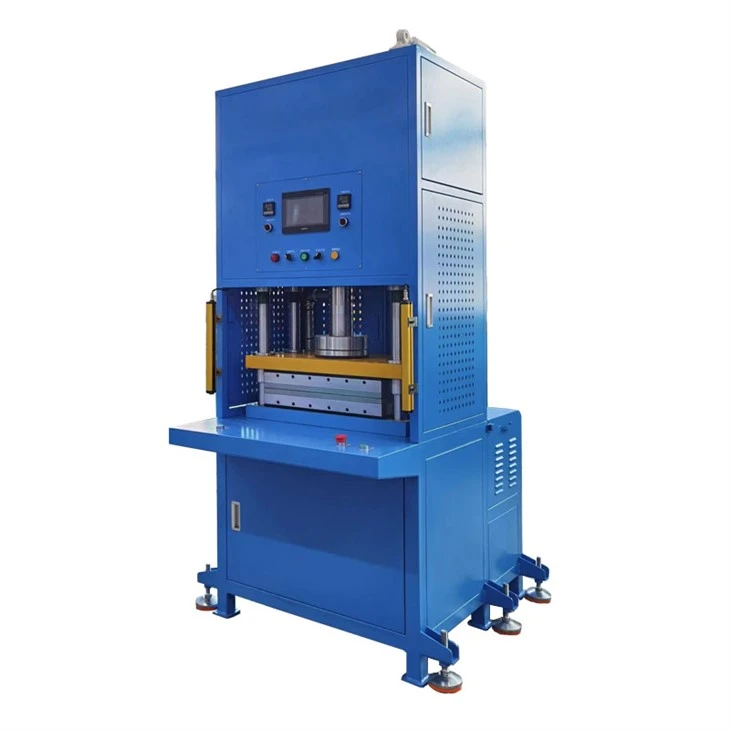
The frame of the machine is rigid "c" shaped casting. The typical shape of the frame leaves the front open which facilitates the feeding of the sheet metal below the ram from the side of the machine.
Iron ball
The two heavy cast iron balls are mounted at the two ends of the arm which is bolted to screw. So that when the handle is turned it causes the screw to rotate within the nut.
Ram
The ram moves up and down in slides provided at the extension of The frame.
Punch and die
The punch and the die constitute the press tool, the punch being the upper member is fixed to the lower end of the ram and the die which is the lower member of the press tool is fixed on a plate on the table, known as a bolster.The sheet metal to be formed is placed between the punch and the die.
Handle
The press is operated by a sharp, partial revolution of the arm by pulling the handle and the kinetic energy is stored up in the two heavy balls mounted on the arm.
How to Maintain Hand Press Machines
Regular cleaning and lubrication is one of the most important aspects of maintaining your hand press machine. Dust, dirt, and debris can accumulate on the machine, causing it to function inefficiently or break down over time.
Regular inspections are essential for identifying wear and tear signs before leading to more significant problems.
Bolts and screws: Ensure all bolts and screws are tight. Loose hardware can lead to misalignment and damage.
Dies and punches: Inspect for wear and damage. Dull or damaged dies and punches should be replaced immediately to ensure clean, precise pressing.
Daily checks: Quickly inspect the machine before each use to ensure everything looks and feels right.
Monthly inspections: Perform a more detailed inspection monthly, checking all moving parts and hardware.
Properly aligning and calibrating your hand press machine is crucial for achieving accurate and consistent results. Misalignment can cause uneven pressure distribution, leading to poor-quality work and potential damage to the machine.
Routine calibration: Calibrate the machine after significant use or adjustment to ensure accuracy.
No matter how well you maintain your hand press machine, some parts will eventually wear out and need replacement. Knowing when and how to replace these parts can save you time and money in the long run.
Proper storage is often overlooked but is crucial for the long-term maintenance of your hand press machine. Storing your machine correctly can prevent damage and deterioration.
Dry environment: Store your machine in a dry, clean environment to prevent rust and corrosion.
Covering the machine: Use a protective cover to shield the machine from dust and moisture when not in use.
Climate control: Store the machine in a climate-controlled area to avoid extreme temperature fluctuations that could affect its components.
Winter storage: If you won't use the machine for an extended period, such as over winter, clean and lubricate it thoroughly before storage.
How the Hand Press Machines Works
A manual press machine is operated manually by the operator, who applies pressure to the machine through a handle. After the handle is rotated, the ram moves up and down, generating force through the lever to drive the punch to make a linear motion.
The hydraulic cylinder generates high pressure and slowly drives all components of the punch and die process of the workpiece.
Our Factory
The company's headquarters is located in Longgang District, Shenzhen, with a factory area of over 10000 square meters. In 2014, Jiangxi Xintaiming Intelligent Technology Co., Ltd. was established as a production base with a self built factory of over 40000 square meters in Fuzhou High tech Zone, Jiangxi.
Our Certificate
We have 5 invention patents, 53 utility model patents, 3 appearance patents, and 20 software copyrights, and have been awarded the National High tech Enterprise Certificate, ISO9001 Quality Management System Certification, and ISO14001 Environmental Management System Certification. We have independent export qualifications.


FAQ
We're professional hand press machines manufacturers and suppliers in China, specialized in providing high quality customized service. Be free to buy cheap hand press machines made in China here from our factory. Quality products and low price are available.
hand press valves, hand press engineering, hand press maintenance