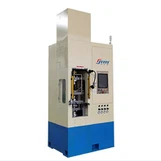
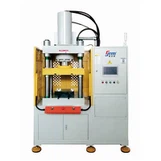
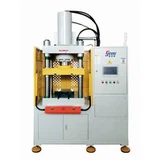
Hey there! As a supplier of Power Press Second Hand, I often get asked whether these machines are suitable for different materials. Well, let's dive right into it and find out.
First off, let's talk a bit about what power presses are. A power press is a machine tool used to cut, shape, or form metal and other materials. Second - hand power presses are a great option for businesses on a budget or those just starting out. They offer a cost - effective alternative to brand - new machines without sacrificing too much on performance.
Metals
One of the most common materials that power presses work with is metal. Metals like steel, aluminum, and copper are frequently used in various industries such as automotive, aerospace, and manufacturing. Second - hand power presses can handle these metals quite well.
Steel is a tough and durable metal. Depending on the type of steel, whether it's mild steel or high - strength steel, a well - maintained second - hand power press can cut, punch, or form it. For example, in the automotive industry, power presses are used to create body panels from steel sheets. A second - hand power press with the right tonnage and die setup can produce these panels efficiently.
Aluminum is another popular metal. It's lightweight and corrosion - resistant, making it ideal for applications in the aerospace and electronics industries. Second - hand power presses can easily handle aluminum sheets for tasks like stamping or bending. The lower density of aluminum means that the power press doesn't have to work as hard as it would with steel, which is great for the longevity of the machine.
Copper is often used in electrical applications due to its high conductivity. Second - hand power presses can be used to create copper components such as bus bars or connectors. The malleability of copper allows for easy forming and shaping using a power press.
Plastics
Plastics are also a material that second - hand power presses can deal with. There are different types of plastics, including thermoplastics and thermosetting plastics.

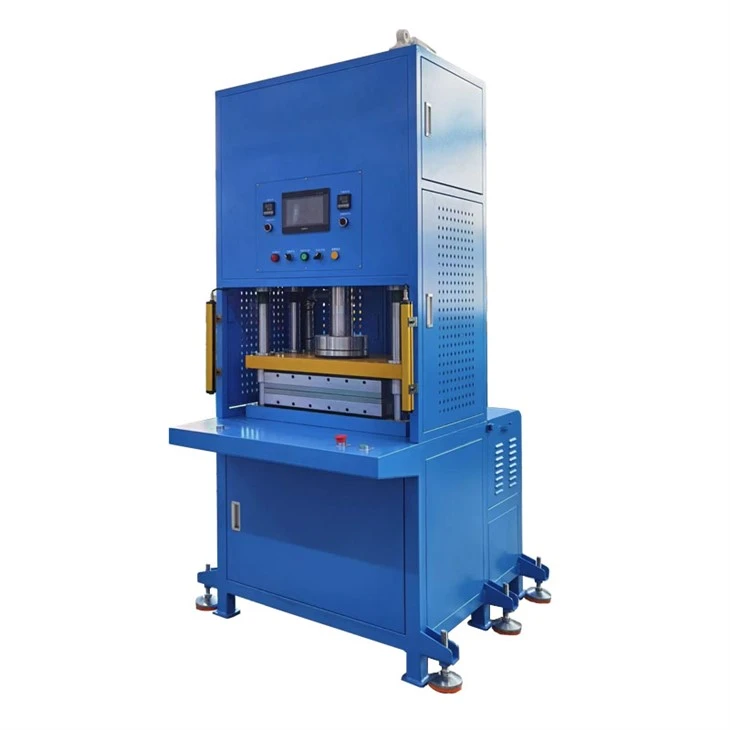
Thermoplastics like polyethylene and polypropylene are widely used in packaging, consumer goods, and automotive parts. Second - hand power presses can be used to cut, punch, or emboss these plastics. For instance, in the packaging industry, power presses are used to cut plastic sheets into the right size for making containers. The heat - sensitive nature of thermoplastics means that the power press should be used with appropriate dies and at the right temperature to avoid melting or deforming the material.
Thermosetting plastics, on the other hand, are harder and more heat - resistant once they are cured. Second - hand power presses can be used to machine these plastics, but it might require more force compared to thermoplastics. For example, in the production of electrical insulators made from thermosetting plastics, a power press can be used to shape the material according to the required specifications.
Wood
Yes, you heard it right! Second - hand power presses can also be used with wood. In the furniture and woodworking industries, power presses are used for tasks like laminating, pressing veneers, and shaping wood components.
For laminating, a power press can apply even pressure to bond different layers of wood or wood - based materials together. This creates a strong and durable product. When it comes to shaping wood, a power press with the right die can cut or bend wood into various forms. However, it's important to note that the power press should be adjusted properly to avoid splintering or damaging the wood.
Advantages of Using Second - Hand Power Presses for Different Materials
One of the main advantages of using second - hand power presses is the cost. Buying a new power press can be a significant investment, especially for small and medium - sized businesses. Second - hand power presses offer a more affordable option without compromising on the ability to work with different materials.
Another advantage is the availability of a wide range of machines. There are many different models and sizes of second - hand power presses on the market. This means that you can find a machine that is specifically suited to the materials and tasks you need to perform. For example, if you mainly work with thin sheets of metal, you can find a second - hand power press with a lower tonnage.
Considerations When Using Second - Hand Power Presses
Before using a second - hand power press for different materials, there are a few things to consider.
Firstly, the condition of the machine is crucial. Make sure to thoroughly inspect the power press before purchasing. Check for any signs of wear and tear, such as damaged gears or worn - out bearings. A well - maintained second - hand power press will perform better and last longer.
Secondly, the die setup is important. Different materials require different dies. For example, a die used for cutting steel will be different from a die used for forming plastics. Make sure to have the right dies for the materials you are working with.
Conclusion
In conclusion, second - hand power presses are indeed suitable for different materials. Whether you're working with metals, plastics, or wood, a well - chosen and maintained second - hand power press can get the job done. They offer a cost - effective solution for businesses looking to expand their production capabilities or start a new project.
If you're interested in purchasing a Power Press Machine Second Hand, we've got a great selection to choose from. We also have Hand Power Press and Hand Power Press Machine options available.
If you have any questions or want to discuss your specific needs, don't hesitate to reach out. We're here to help you find the perfect power press for your business. Let's start a conversation and see how we can make your production process more efficient and cost - effective.
References
- Blake, W. (2018). Handbook of Metal Forming. McGraw - Hill.
- Strong, A. B. (2019). Plastics Processing: Principles and Applications. Wiley.
- Smith, J. D. (2020). Woodworking Machinery and Processes. Delmar Cengage Learning.