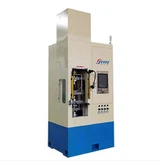
Are there any international standards for hydraulic line presses?
As a supplier of hydraulic line presses, I've often been asked about the existence of international standards for these crucial pieces of equipment. Hydraulic line presses play a vital role in various industries, from manufacturing and automotive to aerospace and construction. Ensuring that these presses meet certain standards is essential for safety, efficiency, and quality control. In this blog post, I'll explore the current landscape of international standards for hydraulic line presses and their significance.
The Importance of International Standards
International standards serve as a common language for manufacturers, suppliers, and users of hydraulic line presses. They provide a framework for designing, manufacturing, testing, and maintaining these machines, ensuring that they meet minimum requirements for performance, safety, and reliability. By adhering to international standards, manufacturers can demonstrate the quality and compliance of their products, which can enhance their reputation and competitiveness in the global market.
For users of hydraulic line presses, international standards offer several benefits. Firstly, they provide assurance that the equipment they are purchasing or using meets a certain level of quality and safety. This can help prevent accidents, reduce downtime, and improve overall productivity. Secondly, standards facilitate interoperability between different hydraulic line presses and other equipment, allowing for seamless integration into existing production lines. Finally, compliance with international standards can simplify the procurement process, as buyers can easily compare products from different suppliers based on their adherence to these standards.
Existing International Standards for Hydraulic Line Presses
There are several international standards that apply to hydraulic line presses, covering various aspects of their design, construction, and operation. One of the most widely recognized standards is ISO 4413:2010, which specifies the general rules for hydraulic systems in terms of safety requirements, performance, and testing. This standard applies to all types of hydraulic systems, including those used in hydraulic line presses, and provides guidelines for the selection, installation, and maintenance of hydraulic components.
Another important standard is ISO 16092-1:2013, which focuses on the safety requirements for hydraulic presses. This standard covers aspects such as machine guarding, electrical safety, and control systems, and provides detailed requirements for the design and construction of hydraulic presses to ensure the safety of operators and other personnel. Compliance with ISO 16092-1 is crucial for manufacturers of hydraulic line presses, as it helps prevent accidents and injuries in the workplace.
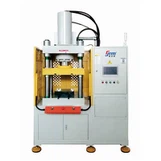
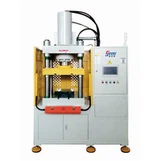
In addition to these general standards, there are also specific standards that apply to certain types of hydraulic line presses. For example, ISO 2312:2015 covers the requirements for four-column three-beam hydraulic presses, which are commonly used in heavy-duty applications. This standard specifies the dimensions, performance, and safety requirements for these presses, ensuring that they meet the needs of the industry. You can find more information about Four Column Three Beam Hydraulic Press on our website.
Similarly, ISO 16092-2:2013 provides safety requirements for hydraulic presses with a nominal force of up to 5000 kN, including 55 Ton Hydraulic Press and 30 Ton Press. This standard addresses specific safety concerns related to these smaller hydraulic presses, such as the protection of operators from moving parts and the prevention of overloading.
Challenges in Implementing International Standards
While international standards for hydraulic line presses provide a valuable framework for ensuring quality and safety, there are several challenges that manufacturers and users may face in implementing these standards. One of the main challenges is the cost of compliance. Meeting the requirements of international standards often requires significant investment in research, development, and testing, as well as the implementation of new manufacturing processes and quality control systems. This can be a significant burden for small and medium-sized manufacturers, who may struggle to afford the necessary resources.
Another challenge is the complexity of the standards themselves. International standards are often highly technical and detailed, requiring a deep understanding of the relevant engineering principles and regulations. This can make it difficult for manufacturers and users to interpret and implement the standards correctly, especially if they lack the necessary expertise or resources. Additionally, the standards may vary from country to country, which can further complicate the compliance process for companies operating in multiple markets.
Finally, there is the issue of enforcement. While international standards are widely recognized and respected, there is no global authority responsible for enforcing compliance. Instead, enforcement is typically left to national regulatory bodies, which may have different levels of resources and expertise. This can lead to inconsistencies in the implementation and enforcement of the standards, which can undermine their effectiveness.


Our Commitment to Quality and Compliance
As a supplier of hydraulic line presses, we are committed to meeting the highest standards of quality and safety. We understand the importance of international standards in ensuring the reliability and performance of our products, and we strive to comply with all relevant standards in our design, manufacturing, and testing processes.
To ensure compliance with international standards, we have implemented a comprehensive quality management system that covers all aspects of our operations. This system includes rigorous testing and inspection procedures at every stage of the manufacturing process, as well as ongoing training and development for our employees. We also work closely with independent testing laboratories and certification bodies to ensure that our products meet the requirements of the relevant standards.
In addition to our commitment to compliance, we also offer a range of customization options to meet the specific needs of our customers. Whether you require a standard hydraulic line press or a custom-designed solution, our team of experienced engineers and technicians can work with you to develop a product that meets your exact specifications. We also provide comprehensive after-sales support, including installation, training, and maintenance services, to ensure that your hydraulic line press continues to perform at its best.
Contact Us for Your Hydraulic Line Press Needs
If you are in the market for a hydraulic line press, we invite you to contact us to discuss your requirements. Our team of experts can provide you with detailed information about our products, including their features, specifications, and pricing. We can also help you select the right hydraulic line press for your application, based on your specific needs and budget.
We understand that purchasing a hydraulic line press is a significant investment, and we are committed to providing you with the best possible value for your money. That's why we offer competitive pricing, high-quality products, and excellent customer service. Whether you are a small business or a large corporation, we have the expertise and resources to meet your hydraulic line press needs.
So, don't hesitate to reach out to us today. We look forward to working with you to find the perfect hydraulic line press for your business.
References
- ISO 4413:2010, Hydraulic fluid power -- General rules and safety requirements for systems and their components
- ISO 16092-1:2013, Safety of machinery -- Hydraulic presses -- Part 1: General requirements
- ISO 2312:2015, Hydraulic presses -- Four-column three-beam type -- Nominal capacities, characteristics and dimensions
- ISO 16092-2:2013, Safety of machinery -- Hydraulic presses -- Part 2: Particular requirements for presses with a nominal force up to 5000 kN