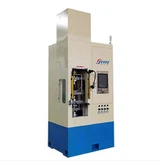
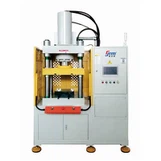
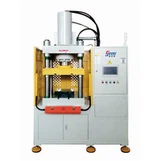
Are there any noise - reduction measures for a Jet Hydraulic Press?
As a supplier of Jet Hydraulic Presses, I've received numerous inquiries regarding noise reduction measures for these powerful machines. Noise can be a significant concern in industrial settings, not only for the comfort of workers but also for compliance with environmental and safety regulations. In this blog post, I'll explore the various noise - reduction measures that can be implemented for a Jet Hydraulic Press.
Understanding the Sources of Noise in Jet Hydraulic Presses
Before we delve into the noise - reduction measures, it's essential to understand where the noise in a Jet Hydraulic Press comes from. The main sources of noise include:
- Pump Operation: The hydraulic pump is a major contributor to the noise. As it operates, it generates pressure fluctuations and mechanical vibrations, which are then transmitted through the hydraulic system and the machine structure.
- Valve Action: The opening and closing of hydraulic valves can create sudden pressure changes, resulting in hydraulic shocks and noise.
- Mechanical Components: Moving parts such as pistons, cylinders, and gears can produce noise due to friction, impact, and misalignment.
- Fluid Flow: The flow of hydraulic fluid through pipes and hoses can also generate noise, especially when there are restrictions or turbulence in the flow.
Noise - Reduction Measures
1. Isolation and Mounting
- Vibration Isolation: Using vibration - isolating mounts can significantly reduce the transmission of vibrations from the press to the floor and surrounding structures. These mounts are typically made of rubber or other elastic materials that absorb and dampen vibrations. For example, installing anti - vibration pads under the feet of the Jet Hydraulic Press can help to isolate it from the floor, preventing the vibrations from being transmitted and amplified.
- Machine Isolation: Placing the press in an isolated enclosure can also help to reduce noise. The enclosure can be made of sound - absorbing materials such as fiberglass or acoustic panels. This not only reduces the noise level in the immediate vicinity of the press but also protects other equipment and workers from the noise.
2. Pump and Motor Optimization
- Low - Noise Pumps: Selecting a hydraulic pump with low - noise characteristics can make a big difference. Some pumps are designed with special features such as quiet - running gears or advanced impeller designs to reduce noise. For instance, variable - displacement pumps can adjust their output according to the load, which can help to reduce unnecessary noise.
- Motor Mounting: Ensuring that the motor is properly mounted and aligned can also reduce noise. A misaligned motor can cause excessive vibrations and noise. Using flexible couplings between the motor and the pump can help to absorb some of the vibrations and reduce noise transmission.
3. Valve Design and Maintenance
- Smooth - Action Valves: Using valves with smooth - action designs can minimize hydraulic shocks and noise. These valves are designed to open and close gradually, reducing the sudden pressure changes that cause noise.
- Regular Maintenance: Regularly maintaining the valves is crucial. Cleaning, lubricating, and inspecting the valves can prevent wear and tear, which can lead to increased noise. Replacing worn - out valves in a timely manner can also help to keep the noise level under control.
4. Fluid Management
- Proper Fluid Selection: Using the right hydraulic fluid can also affect the noise level. A fluid with the correct viscosity and additives can reduce friction and turbulence in the hydraulic system, resulting in less noise. For example, some fluids are specifically formulated to have low - noise properties.
- Fluid Filtration: Keeping the hydraulic fluid clean is essential. A clogged filter can cause restrictions in the fluid flow, leading to increased noise. Regularly changing the filters and ensuring proper fluid filtration can help to maintain a smooth and quiet fluid flow.
5. Pipe and Hose Design
- Proper Sizing: Ensuring that the pipes and hoses are of the correct size is important. Undersized pipes can cause high - velocity fluid flow, which can generate noise. On the other hand, oversized pipes can be wasteful and may also lead to problems with fluid flow.
- Flexible Hoses: Using flexible hoses instead of rigid pipes in some areas can help to absorb vibrations and reduce noise. Flexible hoses can also compensate for small movements and misalignments in the hydraulic system.
Benefits of Noise Reduction
Implementing noise - reduction measures for a Jet Hydraulic Press offers several benefits:
- Worker Comfort: Reducing the noise level in the workplace improves the comfort of workers. Prolonged exposure to high - noise levels can cause hearing loss, stress, and other health problems. By reducing the noise, we can create a safer and more comfortable working environment.
- Compliance: Many countries and industries have strict noise regulations. By implementing noise - reduction measures, we can ensure that our Jet Hydraulic Presses comply with these regulations, avoiding potential fines and legal issues.
- Productivity: A quieter workplace can also improve productivity. Workers are less likely to be distracted by noise, and they can focus better on their tasks.
Conclusion
In conclusion, there are several effective noise - reduction measures that can be implemented for a Jet Hydraulic Press. By addressing the sources of noise through isolation, optimization of components, and proper fluid management, we can significantly reduce the noise level of the press. As a supplier of Jet Hydraulic Presses, we are committed to providing our customers with high - quality, quiet - running machines. If you're interested in our Jet Hydraulic Press, Small Benchtop Hydraulic Press, or Hydraulic Press with Foot Pedal, please feel free to contact us for more information and to discuss your specific requirements. We look forward to working with you to find the best solution for your needs.


References
- Hydraulic System Design Handbook.
- Industrial Noise Control and Acoustics by C. M. Harris.
- Noise and Vibration Control Engineering by L. L. Beranek.