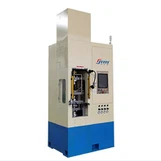
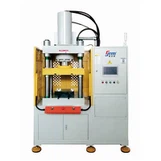
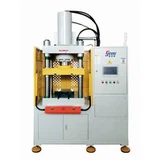
Hey there! As a supplier of 20 Ton Benchtop Presses, I often get asked a bunch of questions about what these bad boys can and can't do. One question that pops up quite a bit is, "Can a 20 Ton Benchtop Press be used for crimping?" Well, let's dig into this topic and find out.
First off, let's understand what crimping is. Crimping is a process where you join two pieces of metal or other materials together by deforming one or both of them. It's commonly used in things like electrical work, making jewelry, and even in some industrial applications. You use a special tool to squeeze the materials, creating a strong, permanent connection.
Now, a 20 Ton Benchtop Press is a powerful machine. With 20 tons of force at its disposal, it's got the muscle to handle some pretty heavy - duty tasks. But can it be used for crimping? The short answer is yes, but there are a few things you need to consider.
Advantages of Using a 20 Ton Benchtop Press for Crimping
1. Power
The most obvious advantage is the sheer power of the press. 20 tons of force is a lot, and it can easily deform most metals and materials used in crimping. Whether you're working with thick copper wires for electrical applications or heavy - gauge metal sheets for industrial projects, the press can apply enough pressure to create a solid crimp.
2. Precision
Many 20 Ton Benchtop Presses come with adjustable controls that allow you to set the exact amount of pressure you need. This precision is crucial in crimping, as applying too much or too little pressure can result in a weak or faulty connection. With a well - calibrated press, you can ensure that each crimp is consistent and reliable.
3. Versatility
A 20 Ton Benchtop Press can be used for a wide range of crimping tasks. You can use different types of dies and fixtures to accommodate various materials and shapes. For example, if you're working on electrical wiring, you can use a die specifically designed for crimping wire terminals. If you're into jewelry making, you can switch to a die that's suitable for crimping small metal components.


Disadvantages and Challenges
1. Cost
Let's face it, a 20 Ton Benchtop Press is not cheap. If you're only planning to do occasional crimping work, the cost of the press might not be worth it. You'll also need to factor in the cost of the dies and fixtures, which can add up quickly.
2. Size and Space
These presses are relatively large and heavy. You'll need a sturdy bench or work surface to support them, and you'll also need enough space to operate them safely. If you have a small workshop or limited space, a 20 Ton Benchtop Press might not be the best option.
3. Skill and Experience
Using a 20 Ton Benchtop Press for crimping requires some skill and experience. You need to know how to set up the press correctly, choose the right dies and fixtures, and apply the appropriate amount of pressure. If you're new to crimping or using a press, there's a learning curve involved.
How to Use a 20 Ton Benchtop Press for Crimping
1. Choose the Right Dies
The first step is to choose the right dies for your crimping task. There are different types of dies available, depending on the material and the shape of the components you're working with. Make sure the dies are compatible with your press and the materials you're using.
2. Set Up the Press
Once you have the dies, set up the press on a sturdy work surface. Make sure the press is level and secure. Adjust the pressure settings according to the requirements of your crimping task. It's a good idea to do a test run on a scrap piece of material to make sure everything is working correctly.
3. Prepare the Materials
Clean and prepare the materials you're going to crimp. Remove any dirt, grease, or oxide from the surfaces to ensure a good connection. Align the materials properly in the dies, making sure they are centered and positioned correctly.
4. Apply Pressure
Slowly apply pressure to the press until the desired crimp is achieved. Be careful not to over - press, as this can damage the materials or the dies. Once the crimp is complete, release the pressure and remove the crimped components from the dies.
Other Options for Crimping
If a 20 Ton Benchtop Press isn't the right fit for you, there are other options available. For small - scale crimping tasks, you might consider a Small Benchtop Hydraulic Press. These presses are more compact and affordable, and they can still provide enough pressure for basic crimping work.
If you need more control and flexibility, a Hydraulic Press with Foot Pedal might be a good choice. The foot pedal allows you to control the pressure more precisely, which can be useful for delicate crimping tasks.
For blacksmithing and heavy - duty crimping applications, an Electric Hydraulic Press for Blacksmithing can provide the power and speed you need.
Conclusion
So, can a 20 Ton Benchtop Press be used for crimping? Absolutely! It's a powerful and versatile machine that can handle a wide range of crimping tasks. However, it's important to consider the cost, size, and skill requirements before making a decision. If you have the budget, the space, and the need for a high - powered crimping solution, a 20 Ton Benchtop Press could be a great investment.
If you're interested in learning more about our 20 Ton Benchtop Presses or have any questions about using them for crimping, feel free to reach out. We're here to help you make the right choice for your crimping needs.
References
- ASM Handbook Volume 6: Welding, Brazing, and Soldering
- Machinery's Handbook, 31st Edition