Hey there! I'm a supplier of 20 Ton H Frame Presses, and I often get asked if these machines can be used for composite material processing. Well, let's dive right into it and find out.
First off, what are composite materials? Composites are materials made from two or more different substances with significantly different physical or chemical properties. When combined, they create a material with characteristics superior to the individual components. These materials are widely used in industries like aerospace, automotive, and sports equipment due to their high strength-to-weight ratio, corrosion resistance, and other great features.
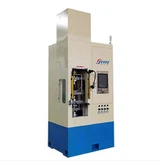
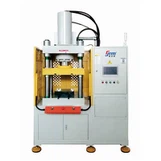
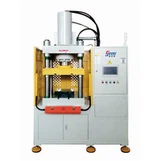
Now, let's talk about the 20 Ton H Frame Press. This press is a workhorse in many manufacturing settings. It's known for its robust construction and reliable performance. The "H Frame" design provides excellent stability, which is crucial when applying high pressure. With a 20-ton capacity, it can exert a substantial amount of force, making it suitable for a variety of pressing operations.
So, can it handle composite material processing? The answer is yes, in many cases. One of the common processes in composite manufacturing is compression molding. In this process, layers of composite materials, such as carbon fiber or fiberglass pre - impregnated with resin (pre - preg), are placed in a mold. The press then applies pressure to compress the layers together, ensuring proper bonding and shaping of the composite part.
A 20 Ton H Frame Press can be quite effective for smaller - scale composite compression molding. For example, if you're making parts for small - sized drones, lightweight automotive components, or sports equipment like bicycle frames, this press can provide sufficient pressure to achieve good consolidation of the composite layers. The key is to control the pressure, temperature, and time accurately. Most modern 20 Ton H Frame Presses come with adjustable pressure controls, allowing you to set the exact amount of force required for your specific composite material.
Another aspect is the temperature control. Many composite materials require specific temperature ranges during the molding process to cure the resin properly. Some 20 Ton H Frame Presses can be equipped with heating platens. These platens can be heated to the desired temperature, which is essential for ensuring the resin in the composite material cures evenly and forms a strong, durable part.
However, it's important to note that there are limitations. For larger or more complex composite parts, a 20 - ton press might not be enough. If you're looking to manufacture large - scale aerospace components or heavy - duty automotive body parts, you may need a more powerful press. For instance, a 100 Ton Hydraulic Press would be better suited for these applications as it can provide a much higher level of pressure over a larger area.
Also, when dealing with high - performance composites that require extremely high pressures for optimal consolidation, a 20 Ton H Frame Press may fall short. Some advanced composites used in high - end aerospace applications need pressures well beyond what a 20 - ton press can offer. In such cases, you might want to consider a Precision Hydraulic Press with a higher tonnage and more precise pressure and temperature controls.
But don't be too quick to rule out the 20 Ton H Frame Press. It has its own advantages for composite material processing. It's relatively compact and affordable compared to larger presses. This makes it a great option for startups and small - to - medium - sized manufacturers who are looking to get into composite manufacturing without breaking the bank.
If you're just starting out with composite material processing, a 20 Ton H Frame Press can be a great learning tool. You can experiment with different composite materials, molding techniques, and process parameters to understand the nuances of composite manufacturing. Once you've gained more experience and need to scale up your production, you can always consider upgrading to a larger press.
In addition to compression molding, a 20 Ton H Frame Press can also be used for other composite - related processes. For example, it can be used for trimming and punching composite parts after they've been molded. The press can provide the necessary force to cut through the hardened composite material, ensuring clean and accurate cuts.

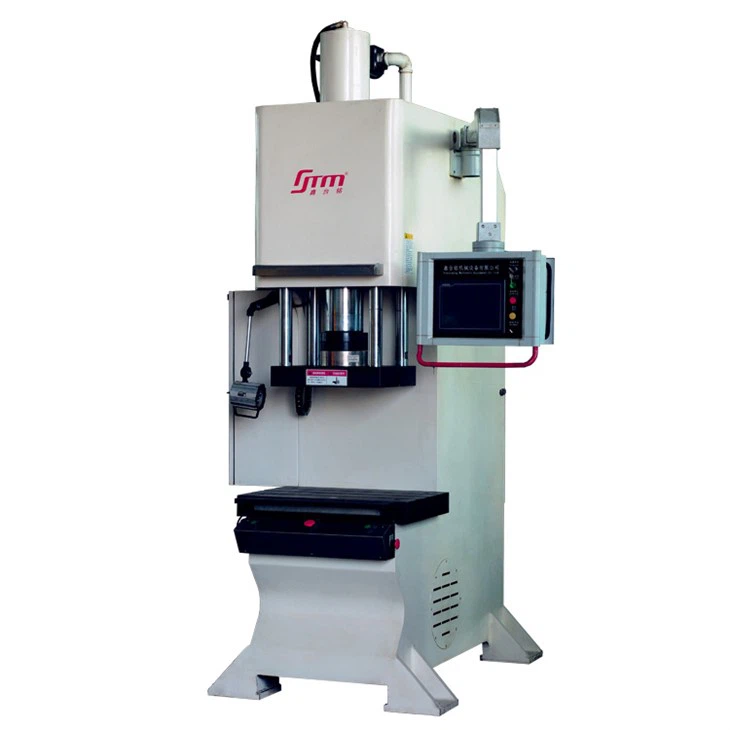
When choosing a 20 Ton H Frame Press for composite material processing, there are a few things to keep in mind. First, make sure the press has a flat and parallel platen surface. This is crucial for ensuring even pressure distribution across the composite part during the molding process. Any unevenness in the platen can lead to inconsistent bonding and defects in the final product.
Secondly, look for a press with good repeatability. In composite manufacturing, consistency is key. You want the press to apply the same pressure and temperature settings every time you run a cycle. This ensures that each part you produce meets the same quality standards.
Now, if you're interested in using a 20 Ton H Frame Press for your composite material processing needs, I'd be more than happy to help. Our presses are designed with the latest technology and built to last. We offer a range of options and customization to fit your specific requirements. Whether you need a basic press or one with advanced features like temperature control and automation, we've got you covered.
And if you think your production might grow in the future and you need a more powerful press, we also have other options available, such as the 55 Ton Hydraulic Press. This press offers a higher tonnage while still maintaining the reliability and performance you'd expect from our products.
If you have any questions or want to discuss your composite material processing project in detail, feel free to reach out. We can have a chat about your needs, and I can provide you with more information on how our 20 Ton H Frame Press can work for you. Let's start creating high - quality composite parts together!
References
- "Composite Materials: Design and Applications" by David A. Daniel and Ishwar P. Singh
- "Handbook of Composites Manufacturing" edited by Steven R. Schmid