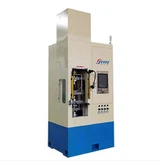
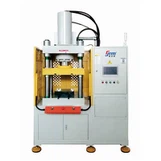
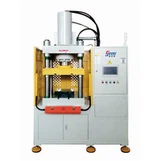
As a supplier of precision hydraulic presses, I often receive inquiries about the diverse applications of our machines. One question that frequently arises is whether a precision hydraulic press can be used for laminating. In this blog post, I'll delve into this topic, exploring the technical aspects and practical considerations of using a precision hydraulic press for laminating processes.
Understanding Laminating
Laminating is a process that involves bonding two or more layers of materials together to create a single, unified structure. This technique is widely used across various industries, including packaging, automotive, aerospace, and electronics. The materials used in laminating can range from paper, plastics, and fabrics to metals and composites. The goal of laminating is to enhance the properties of the individual layers, such as strength, durability, and resistance to environmental factors.
How Precision Hydraulic Presses Work
Before we discuss the suitability of precision hydraulic presses for laminating, it's essential to understand how these machines operate. A precision hydraulic press uses a hydraulic cylinder to generate a large amount of force. This force is applied to a workpiece placed between the press's platens, which are flat surfaces that come together to exert pressure. The hydraulic system allows for precise control of the force, speed, and position of the platens, making it ideal for applications that require high accuracy and repeatability.
Advantages of Using a Precision Hydraulic Press for Laminating
1. Precise Pressure Control
One of the key advantages of using a precision hydraulic press for laminating is the ability to control the pressure applied to the materials. Different laminating processes require specific pressure levels to ensure proper bonding between the layers. With a hydraulic press, operators can set the exact pressure needed for the job, ensuring consistent results across multiple laminates. This precision is crucial, especially when working with delicate or high - value materials.
2. Uniform Pressure Distribution
A precision hydraulic press distributes pressure evenly across the platens. This uniform pressure ensures that all areas of the laminate receive the same amount of force, resulting in a consistent bond throughout the entire surface. In contrast, other types of presses may not provide such uniform pressure, leading to uneven laminates with weak spots or delamination issues.
3. Customizable Force and Speed
Hydraulic presses offer the flexibility to adjust both the force and speed of the pressing operation. For laminating, this means that operators can optimize the process based on the type of materials being used. For example, some materials may require a slow, gradual application of pressure to prevent air bubbles from forming between the layers, while others may need a higher force to achieve a strong bond quickly.
4. Compatibility with Various Materials
Precision hydraulic presses can be used with a wide range of materials, making them suitable for different laminating applications. Whether you're working with thin films, thick sheets, or multi - layer composites, a hydraulic press can be configured to handle the specific requirements of the materials.
Considerations When Using a Precision Hydraulic Press for Laminating
1. Temperature Control
In some laminating processes, temperature plays a crucial role in achieving a strong bond between the layers. While precision hydraulic presses themselves do not inherently provide temperature control, they can be integrated with heating or cooling systems. For example, platens can be equipped with heating elements to raise the temperature of the materials during the pressing process. This can be particularly important when laminating materials such as adhesives that require heat activation.
2. Material Thickness and Size
The thickness and size of the materials being laminated must be considered when selecting a precision hydraulic press. The press must have sufficient platen size to accommodate the laminate and enough force capacity to handle the thickness of the materials. For larger or thicker laminates, a press with a higher tonnage may be required. For instance, our 55 Ton Hydraulic Press is suitable for handling larger and thicker materials compared to smaller models.
3. Cycle Time
Cycle time is an important factor in any manufacturing process. For laminating applications, the cycle time of the press can impact production efficiency. Some presses are designed to operate at faster speeds, reducing the time it takes to complete each laminate. Our Fast Hydraulic Press is optimized for applications where high - volume production is required, allowing for faster cycle times without compromising on precision.


Real - World Applications of Precision Hydraulic Presses in Laminating
1. Printed Circuit Board (PCB) Manufacturing
In the electronics industry, precision hydraulic presses are used for laminating the layers of printed circuit boards. PCBs consist of multiple layers of conductive and insulating materials that need to be bonded together precisely. The ability of a hydraulic press to apply uniform pressure and control the process parameters ensures the integrity of the PCB, which is crucial for the proper functioning of electronic devices.
2. Automotive Interior Laminates
The automotive industry uses laminating processes to create interior components such as dashboards, door panels, and seat covers. Precision hydraulic presses are used to bond layers of fabric, vinyl, and foam together, providing a durable and aesthetically pleasing finish. The high - precision force control of the press helps to prevent damage to the materials during the lamination process.
Selecting the Right Precision Hydraulic Press for Laminating
When choosing a precision hydraulic press for laminating, several factors should be considered:
1. Tonnage
The tonnage of the press determines the maximum force it can apply. As mentioned earlier, the required tonnage depends on the thickness and size of the materials being laminated. For smaller laminates, a 20 Ton Floor Press may be sufficient, while larger or denser materials may require a press with a higher tonnage.
2. Platen Size
The platen size should be large enough to accommodate the largest laminate you plan to produce. A larger platen size allows for more flexibility in the production process, but it also requires a larger press and more floor space.
3. Control Features
Look for a press with advanced control features, such as programmable logic controllers (PLCs), which allow for precise control of the force, speed, and position of the platens. These features can improve the accuracy and repeatability of the lamination process.
Conclusion
In conclusion, a precision hydraulic press can indeed be used for laminating, offering several advantages over other types of presses. The precise pressure control, uniform pressure distribution, and flexibility in terms of force and speed make it a suitable choice for a wide range of laminating applications. However, it's important to consider factors such as temperature control, material thickness and size, and cycle time when selecting a press for your specific needs.
If you're interested in learning more about how our precision hydraulic presses can be used for your laminating processes or if you're ready to discuss a potential purchase, we're here to help. Our team of experts can provide you with detailed information and guidance to ensure you choose the right press for your application.
References
- "Hydraulic Press Technology: Principles and Applications" by John Smith
- "Laminating Processes in the Manufacturing Industry" by Jane Doe
- Industry reports on the use of hydraulic presses in various sectors