Hey there! As a supplier of hand press machines, I often get asked a bunch of questions about what these machines can and can't do. One question that pops up quite a bit is, "Can hand press machines be used for rubber pressing?" Well, let's dive right into it and find out.
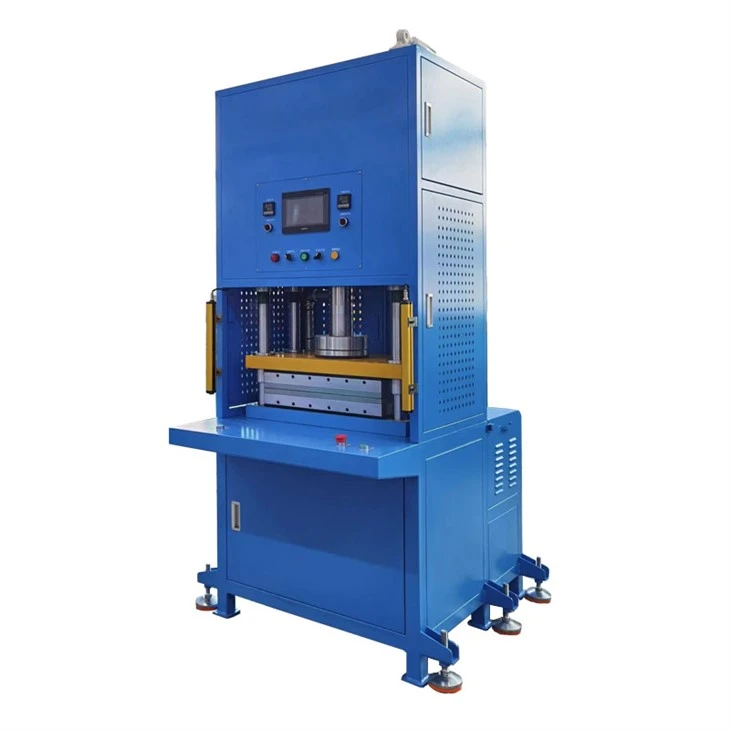

First off, let's talk a bit about hand press machines. They're pretty versatile tools. You can find different types, like the Hand Power Press. These machines are designed to apply pressure through manual force. They come in handy for all sorts of small - scale operations where you don't need a huge, industrial - sized press.
Now, when it comes to rubber pressing, it's all about applying the right amount of pressure to shape the rubber into the desired form. Rubber can be a tricky material. It has different properties depending on its type - natural rubber, synthetic rubber, and so on. Some rubbers are more pliable, while others are stiffer.
The good news is that in many cases, hand press machines can indeed be used for rubber pressing. For small - scale rubber projects, like making custom rubber gaskets, small rubber parts for hobbyist projects, or even some simple rubber molds, a hand press machine can do the job just fine.
Let's say you're making a small rubber gasket. You can place the rubber material in a mold and then use the hand press machine to apply pressure. The pressure helps the rubber fill the mold properly and take on the shape you want. Since hand press machines allow you to control the amount of pressure you apply, you can adjust it according to the type of rubber you're using. Softer rubbers might need less pressure, while harder ones might require a bit more.
But, of course, there are some limitations. If you're dealing with large - scale rubber production, hand press machines might not be the best option. Industrial - level rubber pressing often requires high - volume production and consistent, high - pressure application. Hand press machines rely on manual force, which means they can be slower and have a limit to the amount of pressure they can exert.
For example, if you're trying to mass - produce rubber tires or large rubber sheets, you'll probably need a more powerful Power Press Machine Second Hand or a brand - new industrial press. These machines can apply much higher and more consistent pressure, and they can work continuously without getting tired like a human operator using a hand press.
Another factor to consider is the curing process of rubber. Rubber often needs to be cured under specific temperature and pressure conditions to achieve its final properties. Some hand press machines might not have the ability to control temperature, which is crucial for proper rubber curing. In such cases, you might need to use additional equipment to heat the rubber during the pressing process.
However, for those who are just starting out in the rubber - pressing business or for small - time hobbyists, hand press machines offer a cost - effective and accessible solution. They're relatively inexpensive compared to large industrial presses, and they don't require a lot of space. You can set up a small rubber - pressing operation in your garage or a small workshop with a hand press machine.
Let's take a look at the advantages of using hand press machines for rubber pressing in more detail. Firstly, they're very easy to operate. You don't need a lot of technical knowledge to use a hand press machine. Just place the rubber and the mold in the right position, and start applying pressure by turning the handle or using the lever, depending on the design of the machine.
Secondly, they're portable. If you need to move your rubber - pressing operation to different locations or if you have limited space in your workshop, you can easily move a hand press machine around. This portability is a big plus for small - scale operations.
Thirdly, they're great for prototyping. If you're developing a new rubber product, you can use a hand press machine to make prototypes quickly and cost - effectively. You can test different rubber materials and molds to see which combination works best before investing in large - scale production equipment.
Now, let's talk about some tips for using hand press machines for rubber pressing. First, make sure you clean the machine regularly. Rubber can stick to the surfaces of the press, and if it's not cleaned properly, it can affect the quality of your next pressing. Use a suitable cleaning agent to remove any rubber residue.
Second, choose the right mold. The mold should be made of a material that can withstand the pressure of the hand press machine and the heat if you're curing the rubber. Silicone molds are often a good choice for small - scale rubber pressing because they're flexible and easy to work with.
Third, wear appropriate safety gear. When using a hand press machine, there's always a risk of injury if you're not careful. Wear gloves to protect your hands from the pressure and any sharp edges on the machine or the mold.
In conclusion, hand press machines can be a great option for rubber pressing in many situations, especially for small - scale and hobbyist projects. They offer flexibility, cost - effectiveness, and ease of use. However, for large - scale industrial production, you'll likely need more powerful equipment.
If you're interested in using hand press machines for your rubber - pressing needs, whether it's for a small business or a personal project, we'd love to help. We're a supplier of high - quality hand press machines, and we can provide you with the right machine for your specific requirements. Get in touch with us to start a conversation about your rubber - pressing project and find the perfect hand press machine for you.
References:
- General knowledge about rubber materials and pressing processes from industry experience.
- Information on hand press machine capabilities and limitations based on product knowledge as a supplier.