As a supplier of electric servo presses, I understand the importance of stroke adjustment in ensuring the optimal performance of these machines. Stroke adjustment is a critical process that allows users to tailor the press's operation to specific application requirements, enhancing precision, efficiency, and overall productivity. In this blog post, I will share some insights on how to adjust the stroke of an electric servo press effectively.

Understanding the Basics of Stroke in Electric Servo Presses
Before delving into the adjustment process, it's essential to have a clear understanding of what stroke means in the context of an electric servo press. The stroke refers to the distance the press ram travels from its upper limit to its lower limit during a single cycle of operation. This distance is a key parameter that determines the depth of the pressing operation, the amount of force applied, and the overall functionality of the press.
The stroke of an electric servo press can be adjusted to accommodate different workpiece sizes, shapes, and processing requirements. For example, in a stamping operation, a shorter stroke may be used for thin materials, while a longer stroke may be required for thicker materials or more complex shapes. By adjusting the stroke, operators can optimize the press's performance, reduce energy consumption, and improve the quality of the finished products.
Factors Affecting Stroke Adjustment
Several factors need to be considered when adjusting the stroke of an electric servo press. These factors include:
Workpiece Requirements
The size, shape, and material properties of the workpiece are the primary factors that determine the required stroke. For instance, if you are pressing a small, thin part, a shorter stroke may be sufficient. On the other hand, if you are working with a large, thick workpiece, a longer stroke will be necessary to ensure proper deformation and forming.
Press Capacity
The maximum stroke length of an electric servo press is limited by its mechanical design and structural capacity. It's important to ensure that the desired stroke adjustment does not exceed the press's rated capacity. Exceeding the capacity can lead to mechanical failures, reduced accuracy, and potential safety hazards.
Tooling Design
The design of the tooling used in the press also plays a crucial role in stroke adjustment. The tooling must be designed to accommodate the desired stroke length and provide sufficient clearance for the workpiece. Additionally, the tooling should be properly aligned and installed to ensure consistent and accurate pressing operations.
Process Requirements
The specific process requirements, such as the required force, speed, and dwell time, can also influence the stroke adjustment. For example, in a precision forming process, a shorter stroke with a higher force may be required to achieve the desired shape and dimensions.
Step-by-Step Guide to Adjusting the Stroke of an Electric Servo Press
The following is a step-by-step guide to adjusting the stroke of an electric servo press:
Step 1: Review the Press Manual
Before making any adjustments, carefully review the press manual provided by the manufacturer. The manual contains detailed information on the press's specifications, operation, and maintenance, including instructions on how to adjust the stroke. Make sure you understand all the safety precautions and procedures outlined in the manual.
Step 2: Power Off the Press
To ensure safety during the adjustment process, turn off the power supply to the press and lock out the electrical panel. This will prevent accidental activation of the press while you are working on it.
Step 3: Locate the Stroke Adjustment Mechanism
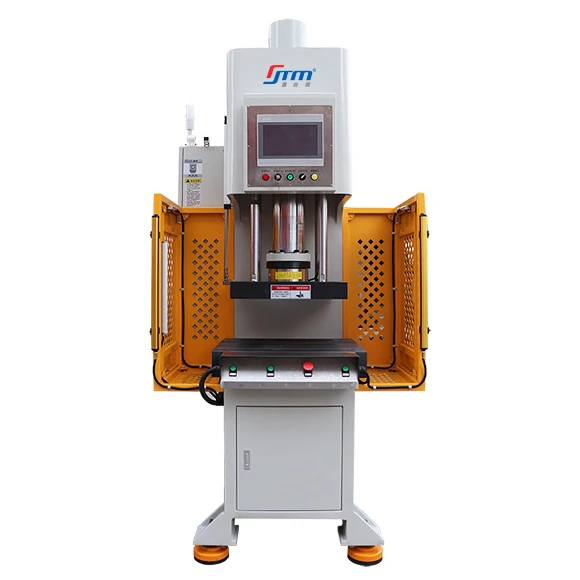
The stroke adjustment mechanism may vary depending on the make and model of the electric servo press. In most cases, it can be found on the press frame or near the ram assembly. Refer to the press manual for the exact location of the adjustment mechanism.
Step 4: Measure the Current Stroke
Use a measuring tool, such as a caliper or a micrometer, to measure the current stroke length. This will provide a baseline for the adjustment process and help you determine the amount of adjustment required.
Step 5: Make the Adjustment
Depending on the type of stroke adjustment mechanism, you may need to use a wrench, a screw, or a control panel to make the adjustment. Follow the instructions in the press manual to increase or decrease the stroke length as needed. Make small adjustments at a time and measure the stroke after each adjustment to ensure accuracy.
Step 6: Test the Press
Once you have made the desired stroke adjustment, power on the press and perform a test run. Check the press's operation, including the ram movement, force application, and cycle time. Make any additional adjustments if necessary to ensure optimal performance.
Step 7: Secure the Adjustment
After the stroke adjustment is complete and the press is operating correctly, secure the adjustment mechanism to prevent it from accidentally changing during operation. This may involve tightening screws, locking nuts, or using other locking devices.
Tips for Effective Stroke Adjustment
Here are some tips to help you adjust the stroke of an electric servo press more effectively:
Use Precise Measuring Tools
Invest in high-quality measuring tools to ensure accurate stroke measurement. Precise measurements are essential for achieving the desired stroke length and maintaining consistent press performance.
Make Small Adjustments
When making stroke adjustments, it's best to make small incremental changes and test the press after each adjustment. This will help you avoid over-adjusting and ensure that the press operates smoothly and accurately.
Monitor the Press Performance
During the adjustment process and after the adjustment is complete, closely monitor the press's performance. Look for any signs of abnormal operation, such as excessive vibration, noise, or inconsistent force application. If you notice any issues, stop the press immediately and troubleshoot the problem.
Train Your Operators
Proper training is crucial for operators to understand how to adjust the stroke of an electric servo press correctly. Provide comprehensive training to your operators on the press's operation, maintenance, and safety procedures, including stroke adjustment.
Conclusion
Adjusting the stroke of an electric servo press is a critical process that requires careful consideration and precise execution. By understanding the factors affecting stroke adjustment, following the step-by-step guide, and implementing the tips provided in this blog post, you can ensure that your electric servo press operates at its optimal performance level.
At our company, we offer a wide range of Servo Mechanical Press, High Precision Servo Press, and Servo Hydraulic Press Machine to meet the diverse needs of our customers. Our presses are designed with advanced technology and high-quality components to provide reliable and efficient performance.
If you are interested in learning more about our electric servo presses or need assistance with stroke adjustment or other press-related issues, please feel free to contact us. Our team of experts is ready to help you find the best solution for your application and provide you with the support you need to ensure the success of your operations.
References
- Manufacturer's press manuals
- Industry standards and guidelines for electric servo press operation and maintenance