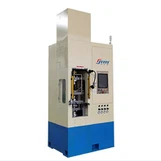
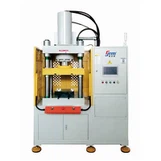
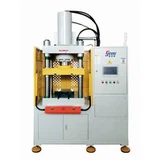
Hey there! As a supplier of small hydraulic presses, I often get asked about how to calibrate these nifty machines. Calibration is super important to ensure that your press is working accurately and safely. In this blog, I'll walk you through the steps to calibrate a small hydraulic press, so let's dive right in!
Why Calibration Matters
Before we get into the how - to, let's talk about why calibration is a big deal. A well - calibrated hydraulic press gives you consistent results. Whether you're using it for pressing bearings, molding parts, or any other application, accurate calibration means you'll get the same level of force every time you operate the press. This is crucial for quality control in your manufacturing or DIY projects. Also, it helps in preventing over - or under - pressure situations, which can damage your workpieces or even pose safety risks.
Tools You'll Need
First things first, you'll need a few tools to calibrate your small hydraulic press. Here's a list:
- A reliable pressure gauge: This is the key tool for measuring the pressure in the hydraulic system. Make sure it's accurate and suitable for the pressure range of your press.
- A set of wrenches: You'll need these to adjust the valves and fittings on the press.
- A calibration chart or manual: This will give you the recommended pressure settings for different operations.
Step 1: Preparation
Before you start calibrating, make sure your press is in a safe and stable position. Turn off the power and relieve any pressure in the hydraulic system. Check for any visible signs of damage or leaks in the hoses, valves, and cylinders. If you find any issues, fix them before proceeding with the calibration.
Step 2: Install the Pressure Gauge
Locate the pressure port on your hydraulic press. This is usually near the hydraulic pump or cylinder. Use the appropriate wrench to remove the plug from the pressure port and install the pressure gauge. Make sure it's tightened securely to prevent any leaks.
Step 3: Initial Pressure Check
Once the pressure gauge is installed, turn on the power to the press and slowly start the hydraulic pump. Observe the pressure gauge reading. Compare it with the expected pressure for the press when it's at rest. If the reading is way off, there might be a problem with the gauge or the hydraulic system.
Step 4: Adjusting the Pressure Relief Valve
The pressure relief valve is an important component of the hydraulic press. It's designed to limit the maximum pressure in the system to prevent damage. To adjust it, locate the valve on the press. Use a wrench to turn the adjustment screw. Turning the screw clockwise will increase the pressure setting, while turning it counter - clockwise will decrease it.
Start by setting the pressure relief valve to a lower value than the recommended maximum pressure. Then, gradually increase the pressure while observing the gauge. Keep an eye on the pressure reading and stop when you reach the desired pressure. Make small adjustments as needed to get the exact pressure you want.
Step 5: Testing Different Loads
Now that you've set the pressure relief valve, it's time to test the press under different loads. Place a known weight or a test workpiece on the press bed. Operate the press to apply pressure to the load. Check the pressure gauge reading during the operation. If the reading is not within the expected range, you may need to make further adjustments to the pressure relief valve or other components of the hydraulic system.
Step 6: Fine - Tuning
After testing the press under different loads, you may need to fine - tune the calibration. This could involve making small adjustments to the pressure relief valve or checking the accuracy of the pressure gauge. You can also refer to the calibration chart or manual for specific instructions on fine - tuning based on your press model.
Step 7: Final Checks
Once you're satisfied with the calibration, turn off the power to the press and relieve the pressure in the hydraulic system. Remove the pressure gauge and reinstall the plug on the pressure port. Check for any leaks or loose fittings. Run a few test cycles on the press to make sure it's working properly.
Our Small Hydraulic Press Offerings
At our company, we offer a wide range of small hydraulic presses to suit different needs. If you're looking for a compact and versatile option, check out our Small Benchtop Hydraulic Press. It's perfect for small workshops and DIY projects.
For those who need a press with a bit more power and the convenience of air operation, our Air Operated Hydraulic Press is a great choice. And if you require a higher - capacity press, our 20 Ton Press can handle heavy - duty tasks with ease.
Contact Us for Purchasing
If you're interested in any of our small hydraulic presses or have questions about calibration or other aspects of these machines, don't hesitate to reach out. We're here to help you find the right press for your needs and ensure that you get the most out of it. Whether you're a small business owner, a hobbyist, or an industrial manufacturer, we've got the perfect solution for you.


References
- Hydraulic Press Operation and Maintenance Manuals
- Industry Standards for Hydraulic Press Calibration