Calibrating an electric servo press is a crucial process that ensures the accuracy, reliability, and efficiency of the machine. As a leading supplier of electric servo presses, we understand the significance of proper calibration and are committed to providing our customers with the knowledge and support they need to maintain their equipment at peak performance. In this blog post, we will guide you through the steps of calibrating an electric servo press, offering insights and best practices based on our extensive industry experience.
Understanding the Basics of Electric Servo Presses
Before delving into the calibration process, it's essential to have a basic understanding of how electric servo presses work. An electric servo press is a highly precise and controllable machine that uses a servo motor to drive the ram. Unlike traditional mechanical or hydraulic presses, electric servo presses offer superior accuracy, repeatability, and energy efficiency. They can be programmed to perform a wide range of tasks, from simple stamping and forming operations to complex multi-step processes.
There are several types of electric servo presses available in the market, including Servo Mechanical Press, Servo Hydraulic Press Machine, and Hydraulic Servo Press. Each type has its unique features and advantages, but the calibration principles remain largely the same.
Why Calibration is Necessary
Calibration is the process of comparing the output of a machine to a known standard to ensure its accuracy. In the case of an electric servo press, calibration is necessary for several reasons:
- Accuracy: A calibrated press ensures that the force, position, and speed are consistent and within the specified tolerance. This is crucial for producing high-quality parts with tight dimensional tolerances.
- Repeatability: Calibration helps to maintain the same level of performance over time, ensuring that each part produced is identical to the previous one. This is essential for mass production and quality control.
- Safety: A properly calibrated press reduces the risk of accidents and equipment damage. It ensures that the press operates within its designed limits and that the safety features are functioning correctly.
- Compliance: Many industries have strict regulations and standards regarding the accuracy and performance of manufacturing equipment. Calibration helps to ensure that your press meets these requirements.
Pre-Calibration Checks
Before starting the calibration process, it's important to perform a series of pre-calibration checks to ensure that the press is in good working condition. These checks include:
- Visual Inspection: Inspect the press for any signs of damage, wear, or loose components. Check the hydraulic lines, electrical connections, and mechanical parts for leaks, cracks, or other issues.
- Cleaning: Clean the press thoroughly to remove any dirt, debris, or lubricant that may affect the calibration process. Pay special attention to the ram, die, and sensors.
- Lubrication: Check the lubrication levels and ensure that all moving parts are properly lubricated. This will help to reduce friction and wear and ensure smooth operation.
- Power Supply: Check the power supply to the press and ensure that it is stable and within the specified voltage range. Fluctuations in the power supply can affect the performance of the servo motor and the accuracy of the press.
Calibration Steps
The calibration process for an electric servo press typically involves the following steps:
- Force Calibration: Force calibration is the most critical step in the calibration process. It involves measuring the actual force applied by the press and comparing it to the desired force. To perform force calibration, you will need a force sensor or load cell.
- Mount the Force Sensor: Mount the force sensor between the ram and the die or on the worktable. Make sure that the sensor is properly aligned and secured.
- Zero the Sensor: Zero the force sensor to eliminate any offset or drift. This can usually be done using the calibration software or the control panel of the press.
- Apply Force: Apply a known force to the press using a hydraulic pump or other force-generating device. Measure the actual force applied by the press using the force sensor.
- Adjust the Press: Compare the actual force to the desired force and adjust the press settings accordingly. This may involve adjusting the servo motor parameters, such as the torque or speed, or modifying the control software.
- Repeat the Process: Repeat the force calibration process several times to ensure accuracy and consistency. Take multiple measurements at different force levels and record the results.
- Position Calibration: Position calibration is another important step in the calibration process. It involves measuring the actual position of the ram and comparing it to the desired position. To perform position calibration, you will need a position sensor or encoder.
- Mount the Position Sensor: Mount the position sensor on the ram or the worktable. Make sure that the sensor is properly aligned and secured.
- Zero the Sensor: Zero the position sensor to eliminate any offset or drift. This can usually be done using the calibration software or the control panel of the press.
- Move the Ram: Move the ram to a known position using the control panel of the press. Measure the actual position of the ram using the position sensor.
- Adjust the Press: Compare the actual position to the desired position and adjust the press settings accordingly. This may involve adjusting the servo motor parameters, such as the position gain or the velocity feedforward, or modifying the control software.
- Repeat the Process: Repeat the position calibration process several times to ensure accuracy and consistency. Take multiple measurements at different positions and record the results.
- Speed Calibration: Speed calibration is less critical than force and position calibration but is still important for ensuring the proper operation of the press. It involves measuring the actual speed of the ram and comparing it to the desired speed. To perform speed calibration, you will need a speed sensor or tachometer.
- Mount the Speed Sensor: Mount the speed sensor on the ram or the servo motor. Make sure that the sensor is properly aligned and secured.
- Zero the Sensor: Zero the speed sensor to eliminate any offset or drift. This can usually be done using the calibration software or the control panel of the press.
- Move the Ram: Move the ram at a known speed using the control panel of the press. Measure the actual speed of the ram using the speed sensor.
- Adjust the Press: Compare the actual speed to the desired speed and adjust the press settings accordingly. This may involve adjusting the servo motor parameters, such as the speed gain or the acceleration/deceleration time, or modifying the control software.
- Repeat the Process: Repeat the speed calibration process several times to ensure accuracy and consistency. Take multiple measurements at different speeds and record the results.
Post-Calibration Checks
After completing the calibration process, it's important to perform a series of post-calibration checks to ensure that the press is operating correctly. These checks include:
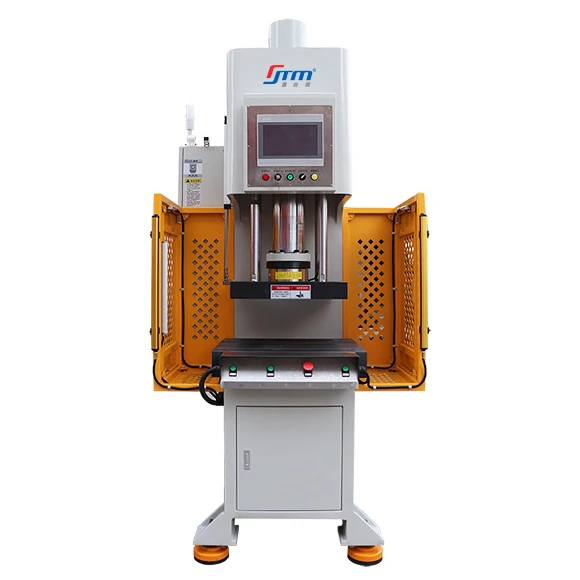

- Test Runs: Perform several test runs at different force, position, and speed settings to ensure that the press is functioning properly. Check for any abnormal noises, vibrations, or movements.
- Quality Inspection: Inspect the parts produced by the press to ensure that they meet the required quality standards. Check the dimensions, surface finish, and other characteristics of the parts.
- Documentation: Document the calibration process and the results. This will help you to track the performance of the press over time and to demonstrate compliance with industry standards and regulations.
Maintenance and Recalibration
Calibration is not a one-time process. It's important to perform regular maintenance and recalibration to ensure that the press continues to operate at peak performance. The frequency of maintenance and recalibration will depend on several factors, such as the usage of the press, the environment in which it operates, and the manufacturer's recommendations.
- Maintenance: Regular maintenance of the press includes cleaning, lubrication, inspection, and replacement of worn or damaged parts. Follow the manufacturer's maintenance schedule and procedures to ensure that the press is properly maintained.
- Recalibration: Recalibration should be performed at regular intervals or whenever there is a significant change in the press operation or environment. This may include changes in the force, position, or speed settings, or the installation of new dies or tooling.
Conclusion
Calibrating an electric servo press is a complex but essential process that ensures the accuracy, reliability, and efficiency of the machine. By following the steps outlined in this blog post and performing regular maintenance and recalibration, you can ensure that your press operates at peak performance and produces high-quality parts consistently.
If you have any questions or need further assistance with calibrating your electric servo press, please don't hesitate to contact us. As a leading supplier of electric servo presses, we have the expertise and experience to help you with all your calibration needs. We offer a wide range of calibration services and support, including on-site calibration, remote calibration, and training. Contact us today to learn more about how we can help you optimize the performance of your electric servo press.
References
- ISO 17025:2017, General requirements for the competence of testing and calibration laboratories.
- ASME B89.1.10M-2002, Methods for performance evaluation of coordinate measuring machines.
- ASTM E4-18, Standard Practices for Force Verification of Testing Machines.