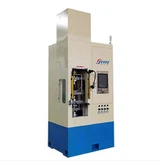
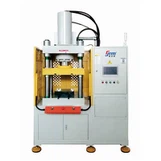
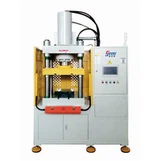
Hey there! As a supplier of 30 Ton Press, I know how crucial it is to keep the electrical wiring in top - notch condition. A well - maintained electrical system ensures the smooth operation of your press, prevents potential hazards, and extends the lifespan of the machine. So, let's dive into how you can check the electrical wiring of a 30 Ton Press.
Before You Start
First things first, safety comes first. Before you even think about checking the wiring, make sure to turn off the power supply to the press. This may seem like a no - brainer, but you'd be surprised how many accidents happen because people skip this step. You don't want to end up getting an unexpected shock!
Also, gather the necessary tools. You'll need a multimeter, which is like a Swiss Army knife for electrical work. It can measure voltage, current, and resistance. A wire stripper and some electrical tape are also handy in case you need to make minor repairs.
Visual Inspection
The first step in checking the electrical wiring is a good old - fashioned visual inspection. Start by looking at the outer casing of the wires. Check for any signs of wear and tear, such as frayed insulation, cuts, or cracks. If you see any exposed wires, that's a major red flag. Exposed wires can cause short circuits, which not only damage the press but can also be a fire hazard.
Pay close attention to the areas where the wires enter and exit the control panel and the motor. These are high - stress points, and the wires are more likely to get damaged here. Look for any signs of burning or discoloration around these areas, as this could indicate overheating.


Checking Connections
Next, it's time to check the connections. Loose connections can cause intermittent electrical problems, which can be really frustrating to diagnose. Start by gently wiggling the wires at their connection points. If you notice any movement or if the press malfunctions when you do this, it's a sign that the connection is loose.
Use a screwdriver to tighten any loose terminal screws. Make sure not to overtighten them, though, as this can damage the wire or the terminal. Also, check for any signs of corrosion on the connections. Corrosion can increase resistance, which can lead to overheating and other problems. If you find any corrosion, you can clean it off using a wire brush and some electrical contact cleaner.
Testing Voltage
Now, let's use that multimeter to test the voltage. Set the multimeter to the appropriate voltage range (usually AC voltage for most presses). First, test the incoming power supply to the press. This will give you an idea of whether the power source is providing the correct voltage.
Next, test the voltage at various points in the electrical circuit. Start at the control panel and work your way out to the motor and other components. Compare the readings to the specifications provided by the manufacturer. If the voltage is significantly higher or lower than the recommended range, there could be a problem with the wiring or the power supply.
Checking Resistance
Resistance testing is another important part of checking the electrical wiring. Resistance is a measure of how much a material opposes the flow of electric current. Using the multimeter, set it to the resistance mode and test the resistance of the wires.
For a healthy wire, the resistance should be very low. If you get a high resistance reading, it could mean that there's a break in the wire or that the wire is damaged. You can also test the resistance of components like the motor and the solenoids. Again, compare the readings to the manufacturer's specifications.
Inspecting Grounding
Proper grounding is essential for the safety and proper operation of the press. A good grounding system helps to protect against electrical shocks and prevents electrical interference. Check the grounding wire to make sure it's securely connected to the press and to the ground source.
Use the multimeter to test the continuity of the grounding wire. There should be a very low resistance between the press and the ground. If the resistance is high, it could mean that the grounding wire is damaged or that the connection is loose.
Troubleshooting Common Issues
If you encounter any problems during your inspection, don't panic. Here are some common issues and how to troubleshoot them:
- Intermittent Operation: If the press works sometimes but not others, it could be due to a loose connection or a damaged wire. Go back and check all the connections and look for any signs of wire damage.
- Overheating: Overheating can be caused by a variety of factors, such as high - resistance connections, short circuits, or overloaded circuits. Check the connections for tightness and look for any signs of burning or discoloration.
- No Power: If the press doesn't turn on at all, first check the power supply. Make sure the circuit breaker hasn't tripped and that the power cord is properly plugged in. If the power supply is okay, then check the fuses and the wiring for any breaks.
Maintenance Tips
To keep the electrical wiring of your 30 Ton Press in good condition, here are some maintenance tips:
- Regular Inspections: Make it a habit to inspect the electrical wiring on a regular basis. This will help you catch any problems early before they turn into major issues.
- Keep it Clean: Dust and debris can accumulate on the electrical components, which can cause overheating. Use a clean, dry cloth to wipe down the control panel and the wiring regularly.
- Avoid Overloading: Don't overload the press by running it at maximum capacity for extended periods. This can put extra stress on the electrical system and lead to premature wear and tear.
Related Products
If you're in the market for other types of presses, we also offer a range of high - quality products. Check out our 10 Ton Electric Hydraulic Press, which is perfect for smaller - scale operations. We also have the Hydraulic Line Press for specialized applications. And if you need more power, our 100 Ton Hydraulic Press is a great option.
Conclusion
Checking the electrical wiring of a 30 Ton Press is not as complicated as it may seem. By following these steps and conducting regular inspections, you can ensure that your press operates safely and efficiently. If you have any questions or need further assistance, don't hesitate to reach out. We're here to help you keep your press in top shape. Whether you're a small - business owner or a large - scale manufacturer, a well - maintained press is essential for your operations. So, take the time to check your electrical wiring and invest in the long - term success of your business. If you're interested in purchasing a 30 Ton Press or any of our other products, feel free to contact us for more information and to start a procurement discussion.
References
- Electrical Safety Standards for Industrial Machinery, National Electrical Code (NEC)
- 30 Ton Press User Manual