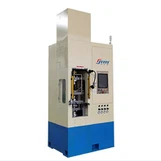
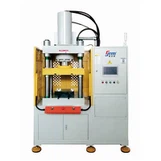
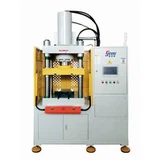
Hey there! As a supplier of 20 Ton H Frame Presses, I know how crucial it is to keep these machines in top - notch condition. One of the most important components to regularly check is the hydraulic seals. In this blog, I'll walk you through how to check the hydraulic seals of a 20 Ton H Frame Press.
Why Check Hydraulic Seals?
First off, let's talk about why we even bother checking the hydraulic seals. Hydraulic seals play a vital role in the proper functioning of your press. They prevent hydraulic fluid from leaking out and contaminants from getting in. If the seals are damaged or worn, it can lead to a loss of pressure, reduced efficiency, and even cause serious damage to the press over time. So, regular checks can save you a lot of headaches and money in the long run.
Tools You'll Need
Before you start checking the hydraulic seals, gather the necessary tools. You'll need a set of wrenches, a flashlight, a clean cloth, and a seal inspection kit if you have one. The inspection kit usually includes tools for measuring the seals and checking for wear.
Step 1: Safety First
Safety should always be your top priority. Before you begin any inspection, make sure the press is turned off and unplugged. Release any pressure in the hydraulic system by following the manufacturer's instructions. Wear safety goggles and gloves to protect yourself from any hydraulic fluid that might be present.
Step 2: Visual Inspection
The first step in checking the hydraulic seals is a visual inspection. Use your flashlight to look at all the visible seals on the press. Check for any signs of leakage, such as wet spots or drips of hydraulic fluid around the seals. Also, look for signs of wear, like cracks, cuts, or deformation in the seal material. If you see any of these issues, it's a good indication that the seal needs to be replaced.
Step 3: Check the Seal Fit
Next, check how well the seals fit in their grooves. Use a clean cloth to wipe away any dirt or debris from the seal and the groove. Then, carefully examine the seal to see if it sits snugly in the groove. If the seal is loose or doesn't fit properly, it can cause leakage. You might need to adjust the seal or replace it if it's damaged.
Step 4: Measure the Seals
If you have a seal inspection kit, measure the seals to make sure they meet the manufacturer's specifications. Check the diameter, width, and thickness of the seals. Any significant deviation from the recommended measurements could indicate that the seal is worn or damaged and needs to be replaced.
Step 5: Check the Hydraulic Fluid
The condition of the hydraulic fluid can also give you clues about the health of the seals. Check the fluid level in the reservoir. If it's low, it could be a sign of a leak. Also, examine the fluid for any signs of contamination, such as dirt, metal particles, or water. Contaminated fluid can wear down the seals faster and cause other problems in the hydraulic system.
Step 6: Re - pressurize and Re - check
Once you've completed the inspection and made any necessary repairs or replacements, it's time to re - pressurize the hydraulic system. Follow the manufacturer's instructions to slowly build up the pressure. As you do this, keep a close eye on the seals for any signs of leakage. If you see any new leaks, you'll need to go back and double - check your work.


Common Seal Problems and Solutions
- Leakage: As mentioned earlier, leakage is one of the most common problems with hydraulic seals. If you find a leak, first try tightening the fittings around the seal. If that doesn't work, the seal probably needs to be replaced.
- Wear and Tear: Over time, the seals can wear out due to friction and pressure. Regular inspections can help you catch this early. When you notice significant wear, replace the seal with a new one that meets the manufacturer's specifications.
- Contamination: Contaminants in the hydraulic fluid can damage the seals. Make sure to change the hydraulic fluid regularly and use a high - quality filter to keep the fluid clean.
Benefits of Regular Seal Checks
Regularly checking the hydraulic seals of your 20 Ton H Frame Press has several benefits. It extends the lifespan of the press by preventing damage to other components. It also improves the efficiency of the press, which can save you money on energy costs. And of course, it reduces the risk of unexpected breakdowns, which can disrupt your production schedule.
Other Press Options
If you're looking for a different type of press, we also offer the 50 Ton Electric Hydraulic Press and the 30 Tonne Hydraulic Press. These presses are also built with high - quality hydraulic systems and seals, and we can provide the same level of support and advice for maintaining them.
Contact Us for More Information
If you have any questions about checking the hydraulic seals of your 20 Ton H Frame Press or if you're interested in purchasing a new press, feel free to contact us. Our team of experts is always ready to help you make the right decision for your business. You can explore our 20 Ton Hydraulic Press on our website and see all the features it offers.
References
- Hydraulic Seals Handbook, published by a leading hydraulic equipment manufacturer.
- Safety Guidelines for Hydraulic Press Maintenance, available from industry safety organizations.