Hey there! As a supplier of hydraulic hose presses, I often get asked how to compare different models. It's a crucial question, especially if you're in the market for a new press. After all, the right hydraulic hose press can make a huge difference in your productivity, efficiency, and the quality of your work. So, let's dive into some key factors you should consider when comparing these machines.
1. Pressing Force
One of the first things you'll want to look at is the pressing force of the hydraulic hose press. This is measured in tons, and it determines how much pressure the press can apply to the hose and fitting. A higher pressing force means the press can handle larger and thicker hoses and fittings. For example, if you're working with heavy - duty industrial hoses, you'll need a press with a significant pressing force. Check out our 75 Ton Hydraulic Press which offers a hefty amount of force for those tough jobs.

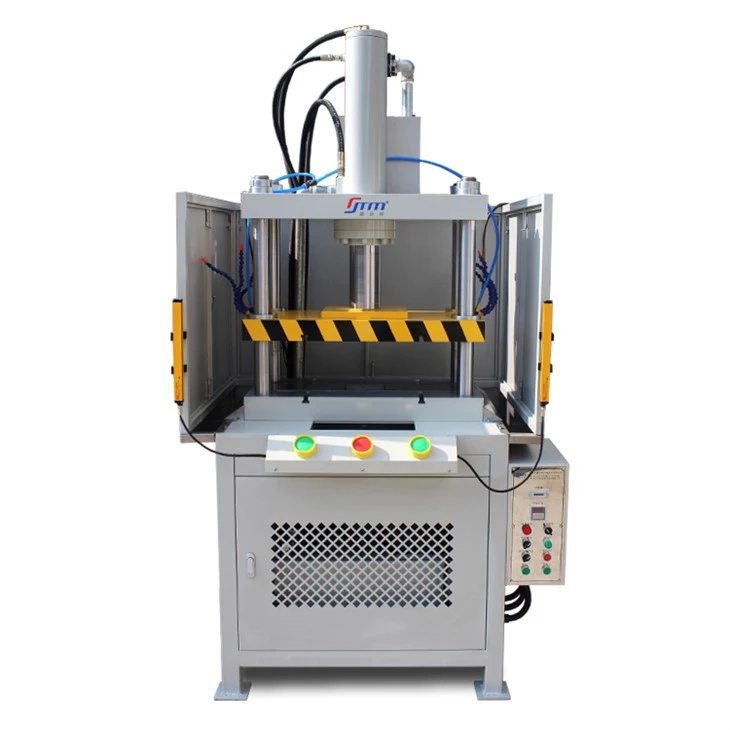
When comparing models, think about the type of hoses and fittings you'll be working with most often. If you mainly deal with smaller, more delicate hoses, a press with a lower pressing force might be sufficient. But if you're in an industrial setting where you need to crimp large - diameter hoses regularly, a high - tonnage press is a must.
2. Precision
Precision is another vital factor. A precise hydraulic hose press ensures that the hose and fitting are crimped correctly every time. This is important because a poorly crimped hose can lead to leaks, which can be dangerous and costly in industrial applications. Our Precision Hydraulic Press is designed to provide accurate and consistent crimping results.
Look for features like digital controls and adjustable settings. Digital controls allow you to set the exact crimp diameter and pressure, giving you more control over the crimping process. Adjustable settings are also great as they let you adapt the press to different types of hoses and fittings.
3. Build Quality and Durability
You don't want to invest in a hydraulic hose press that's going to break down after a few months of use. That's why it's essential to consider the build quality and durability of the machine. A well - built press will be made from high - quality materials and have a sturdy construction.
Check the frame of the press. It should be made of thick, strong steel that can withstand the pressure exerted during the crimping process. Look for features like reinforced joints and a solid base. Also, consider the quality of the hydraulic components. High - grade hydraulic cylinders and pumps will last longer and perform better. Our Industrial Hydraulic Press Machine is built to last, with a robust design that can handle the rigors of industrial use.
4. Ease of Use
A hydraulic hose press is only useful if you can operate it easily. That's why it's important to consider the user - friendliness of the machine. Look for a press with an intuitive control panel and clear instructions.
Some presses come with features like a pedal - operated system, which allows you to keep your hands free to handle the hose and fitting. Others have a simple one - button operation, making them easy to use even for beginners. Also, consider the maintenance requirements of the press. A press that's easy to maintain will save you time and money in the long run.
5. Safety Features
Safety should always be a top priority when working with hydraulic equipment. Look for a hydraulic hose press that has a range of safety features. These might include a safety guard to prevent accidental contact with the moving parts, an emergency stop button, and overload protection.
Overload protection is particularly important as it prevents the press from applying too much pressure, which could damage the hose, fitting, or the press itself. Make sure the press you choose meets all relevant safety standards.
6. Speed and Productivity
In a busy workshop or industrial setting, speed and productivity are key. A fast - acting hydraulic hose press can significantly increase your output. Look for a press that has a quick cycle time, which means it can complete the crimping process quickly.
Some presses also have features like automatic feeding systems, which can further improve productivity. These systems can feed the hose and fitting into the press automatically, reducing the time and effort required for each crimp.
7. Cost
Of course, cost is always a consideration when buying any piece of equipment. When comparing different models of hydraulic hose presses, it's important to look at the overall value for money. A more expensive press might have better features, higher quality, and greater durability, but it's not always necessary to buy the most expensive model.
Consider your budget and the specific needs of your business. If you're just starting out or have a small - scale operation, a more affordable press might be sufficient. But if you're in a high - volume industrial setting, investing in a top - of - the - line press could be a smart move in the long run.
Conclusion
Comparing different models of hydraulic hose presses can seem overwhelming, but by focusing on these key factors - pressing force, precision, build quality, ease of use, safety features, speed, and cost - you can make an informed decision. Remember, the right press for you will depend on your specific needs and the type of work you do.
If you're still not sure which hydraulic hose press is right for you, don't hesitate to reach out. We're here to help you find the perfect machine for your business. Whether you need more information about our products or want to discuss your requirements in detail, our team of experts is ready to assist. Start the conversation today and take the first step towards improving your hose - crimping operations!
References
- Industry standards and guidelines for hydraulic hose presses
- Manufacturer's specifications and product literature for various hydraulic hose press models