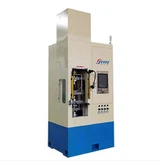
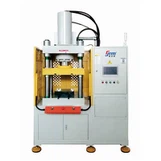
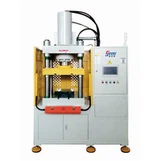
As a supplier of Hot Hydraulic Presses, I often get asked about ensuring the parallelism of the platens in these machines. It’s a crucial aspect that can significantly impact the quality of the products being manufactured. In this blog, I’ll share some practical tips on how to ensure the parallelism of the platens in a hot hydraulic press.
Understanding the Importance of Platen Parallelism
Before we dive into the methods, let’s quickly understand why platen parallelism is so important. In a hot hydraulic press, the platens apply pressure to the material being processed. If the platens aren’t parallel, the pressure distribution across the material will be uneven. This can lead to a whole bunch of problems, like inconsistent product thickness, poor surface finish, and even damage to the tooling.
For example, in the production of composite materials, uneven pressure can cause delamination or improper bonding. In the manufacturing of plastic sheets, it can result in warping or thickness variations. So, getting that parallelism right is key to producing high - quality products.
Initial Installation and Alignment
The first step in ensuring platen parallelism starts right at the installation stage. When you’re setting up the hot hydraulic press, make sure the foundation is level and stable. An uneven foundation can cause the press to tilt, which will immediately throw off the platen parallelism.
Use a reliable leveling device, like a spirit level, to check the horizontal alignment of the base. If the foundation needs adjustment, you can use shims to correct any minor irregularities. Take your time during this step; it’s a crucial foundation (pun intended) for the rest of the process.
Once the base is level, you need to install the columns and the frame of the press. Make sure all the bolts are tightened properly according to the manufacturer’s specifications. Loose bolts can cause the frame to shift, affecting the platen alignment.
Regular Inspections
Regular inspections are essential to catch any issues with platen parallelism early on. You should have a schedule for these inspections, depending on how often the press is used. A good rule of thumb is to inspect the platen parallelism at least once a month for high - usage machines.


To check the parallelism, you can use a dial indicator. Mount the dial indicator on one of the platens and move it across the surface of the other platen. Measure the variation in the indicator reading at different points. If the variation is within the acceptable range (usually specified by the machine manufacturer), then the platens are parallel. If not, you’ll need to take corrective action.
Maintenance of Hydraulic Components
The hydraulic system plays a big role in maintaining platen parallelism. Any issues with the hydraulic cylinders, pumps, or valves can cause uneven pressure on the platens.
Keep an eye on the hydraulic fluid level and quality. Low fluid levels can lead to inconsistent pressure, while dirty or contaminated fluid can damage the hydraulic components. Replace the hydraulic fluid at regular intervals as recommended by the manufacturer.
Inspect the hydraulic cylinders for any signs of leaks or wear. A leaking cylinder can cause uneven force distribution, which will affect the platen parallelism. If you notice any leaks, repair or replace the seals as soon as possible.
Tooling and Die Alignment
The tooling and dies used in the hot hydraulic press also need to be properly aligned. Misaligned tooling can put uneven pressure on the platens.
Before installing the tooling, make sure it’s clean and free of any debris. Check the alignment of the tooling mounting holes with the corresponding holes on the platens. Use alignment pins or fixtures to ensure accurate positioning.
When installing the dies, make sure they are centered on the platens. An off - center die can cause uneven pressure distribution, leading to problems with platen parallelism.
Adjustment Methods
If you find that the platens are not parallel during an inspection, there are several adjustment methods you can use.
One common method is to adjust the shims under the platen support blocks. By adding or removing shims, you can change the height of the platen at different points, thereby correcting the parallelism. However, this method requires a bit of trial and error, so be patient and make small adjustments at a time.
Another method is to adjust the hydraulic flow to the cylinders. Some hot hydraulic presses have adjustable flow control valves for each cylinder. By adjusting the flow rate, you can change the force applied by each cylinder, which can help correct the platen parallelism.
Training for Operators
Proper training for the operators is also crucial in ensuring platen parallelism. Operators should be trained to recognize the signs of uneven platen pressure, such as unusual noise or vibrations during the pressing process.
They should also know how to perform basic inspections and adjustments. For example, they should be able to use the dial indicator to check the platen parallelism and make simple shim adjustments if necessary.
Our Hot Hydraulic Press Offerings
We offer a wide range of hot hydraulic presses, including Precision Hydraulic Press, Industrial Hydraulic Press Machine, and Hydraulic Baling Press Machine. These presses are designed with high - precision components and advanced control systems to ensure optimal platen parallelism.
If you’re in the market for a hot hydraulic press or need to improve the performance of your existing machine, we can provide the solutions you need. Our team of experts can help you select the right press for your application and provide support on installation, maintenance, and troubleshooting.
Contact Us for Procurement
If you’re interested in learning more about our hot hydraulic presses or have any questions about ensuring platen parallelism, don’t hesitate to contact us. We’re here to help you make the best decisions for your manufacturing process. Whether you’re a small - scale workshop or a large industrial facility, we have the products and expertise to meet your needs.
References
- Manufacturer's manuals of hot hydraulic presses
- Industry standards on hydraulic press operation and maintenance
- Technical articles on precision engineering and platen alignment in hydraulic presses