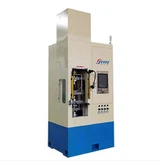
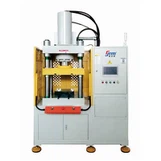
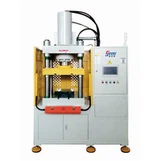
As a supplier of Hand Power Press Machines, I understand the paramount importance of ensuring the safety of operators using these machines. Hand power press machines are widely used in various industries for tasks such as stamping, punching, and forming. However, if not used properly, they can pose significant risks to the operators. In this blog post, I will share some key strategies and best practices to ensure the safety of operators using a hand power press machine.
1. Comprehensive Training
One of the most effective ways to ensure operator safety is through comprehensive training. Operators should receive thorough training on the proper operation, maintenance, and safety procedures of the hand power press machine. This training should cover topics such as machine controls, emergency stop procedures, personal protective equipment (PPE) usage, and hazard identification.
During the training, operators should be provided with hands - on experience under the supervision of a qualified trainer. They should practice operating the machine in a controlled environment, performing tasks such as setting up the dies, adjusting the pressure, and feeding the materials. This hands - on experience will help them become familiar with the machine's operation and build confidence in their abilities.
In addition to initial training, regular refresher courses should be provided to keep operators up - to - date with the latest safety procedures and machine features. As technology evolves and new safety standards are introduced, it is crucial that operators are aware of these changes and can apply them in their daily work.
2. Use of Personal Protective Equipment (PPE)
Personal protective equipment plays a vital role in protecting operators from potential hazards associated with hand power press machines. Operators should be required to wear appropriate PPE at all times when operating the machine.
Safety glasses are essential to protect the eyes from flying debris, such as metal shavings or fragments. Gloves can provide protection against cuts, abrasions, and chemical exposure. Depending on the nature of the work, operators may also need to wear ear protection to reduce the risk of hearing loss due to the noise generated by the machine.
In some cases, operators may need to wear safety shoes to protect their feet from heavy objects or falling tools. Additionally, a safety apron can be worn to protect the body from splashes and spills. It is the responsibility of the employer to provide the necessary PPE and ensure that operators are trained on its proper use and maintenance.


3. Machine Maintenance and Inspection
Regular maintenance and inspection of the hand power press machine are crucial for ensuring its safe operation. A well - maintained machine is less likely to malfunction, which reduces the risk of accidents.
The machine should be inspected daily before use to check for any signs of damage, wear, or loose parts. This includes checking the hydraulic system, electrical connections, and mechanical components. Any issues identified during the inspection should be addressed immediately by a qualified maintenance technician.
In addition to daily inspections, regular preventive maintenance should be carried out according to the manufacturer's recommendations. This may include tasks such as lubrication, filter replacement, and calibration. By following a strict maintenance schedule, the machine's performance can be optimized, and its lifespan can be extended.
4. Installation of Safety Devices
Modern hand power press machines are equipped with a variety of safety devices to protect operators from potential hazards. These devices should be installed and maintained properly to ensure their effectiveness.
One of the most common safety devices is the emergency stop button. This button should be easily accessible to the operator at all times and should be able to immediately stop the machine in case of an emergency. In addition, light curtains or presence - sensing devices can be installed to detect the presence of an operator's hands or other body parts in the danger zone of the machine. If a hand or body part is detected, the machine will automatically stop, preventing an accident.
Two - hand controls are another important safety feature. These controls require the operator to use both hands to activate the machine, which helps to keep the hands out of the danger zone during the pressing operation. Other safety devices may include safety interlocks, which prevent the machine from operating if certain conditions are not met, and overload protection devices, which prevent the machine from being overloaded.
5. Workplace Design and Organization
The design and organization of the workplace can also have a significant impact on operator safety. The work area around the hand power press machine should be clean, well - lit, and free from clutter. This helps to prevent tripping hazards and allows operators to move around the machine safely.
The machine should be installed on a stable surface to prevent it from vibrating or tipping over during operation. Adequate space should be provided around the machine for operators to access the controls, load and unload materials, and perform maintenance tasks.
In addition, the workplace should be organized in a way that minimizes the risk of collisions between operators and other equipment. Clear markings and signs should be used to indicate the location of the machine, the danger zones, and the emergency exits.
6. Risk Assessment
A comprehensive risk assessment should be conducted before the hand power press machine is put into operation. This assessment should identify all potential hazards associated with the machine, such as mechanical, electrical, and hydraulic hazards, as well as the risks posed by the materials being processed.
Based on the risk assessment, appropriate control measures should be implemented to eliminate or reduce the identified risks. These control measures may include engineering controls, such as the installation of safety devices, administrative controls, such as training and maintenance procedures, and the use of PPE.
Regular reviews of the risk assessment should be carried out to ensure that it remains up - to - date and relevant. As the work processes change or new hazards are identified, the risk assessment should be updated, and the control measures should be adjusted accordingly.
7. Encouraging a Safety Culture
Finally, creating a safety - conscious culture within the workplace is essential for ensuring the long - term safety of operators using hand power press machines. Employers should encourage operators to report any safety concerns or near - misses immediately. By promoting open communication and a non - punitive reporting environment, potential safety issues can be identified and addressed before they result in accidents.
In addition, safety incentives and recognition programs can be implemented to encourage operators to follow safety procedures and take an active role in maintaining a safe workplace. This can include rewards for safe work practices, such as accident - free periods or suggestions for improving safety.
As a supplier of Hand Power Press Machines, we are committed to providing high - quality machines that meet the latest safety standards. We offer a wide range of hand power press machines, including the Second Hand 10 Ton Power Press, Hand Power Press Machine, and Power Press Machine Second Hand. Our machines are designed with safety in mind and are equipped with the latest safety features to protect operators.
If you are interested in purchasing a hand power press machine or have any questions about machine safety, please feel free to contact us for a detailed discussion. Our team of experts is ready to assist you in selecting the right machine for your needs and ensuring that you have all the information and support you need to operate it safely.
References
- Occupational Safety and Health Administration (OSHA). Guidelines for the Safe Use of Power Presses.
- American National Standards Institute (ANSI). Safety Standards for Power Press Machines.
- Machine Tool Builders' Association. Best Practices for Hand Power Press Machine Safety.