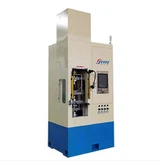
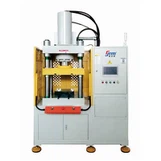
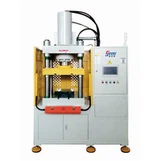
Hey there! As a supplier of High Precision Servo Presses, I know firsthand how crucial it is to ensure the safety of operators when using these powerful machines. In this blog post, I'll share some practical tips and strategies to help you keep your operators safe while they're working with high precision servo presses.
Understanding the Risks
Before we dive into the safety measures, it's important to understand the potential risks associated with using high precision servo presses. These risks include:
- Crushing hazards: The moving parts of the press can cause serious injuries if an operator's hand or other body part gets caught between them.
- Impact hazards: The force generated by the press can cause objects to fly off, potentially hitting an operator.
- Electrical hazards: High precision servo presses are powered by electricity, which means there's a risk of electrical shock if proper safety procedures aren't followed.
- Noise hazards: The operation of the press can generate high levels of noise, which can lead to hearing loss over time.
Safety Measures
Now that we understand the risks, let's take a look at some safety measures you can implement to protect your operators:
1. Provide Proper Training
One of the most important things you can do to ensure the safety of your operators is to provide them with proper training. This training should cover the following topics:
- Machine operation: Operators should be trained on how to operate the high precision servo press safely, including how to start and stop the machine, how to adjust the settings, and how to load and unload materials.
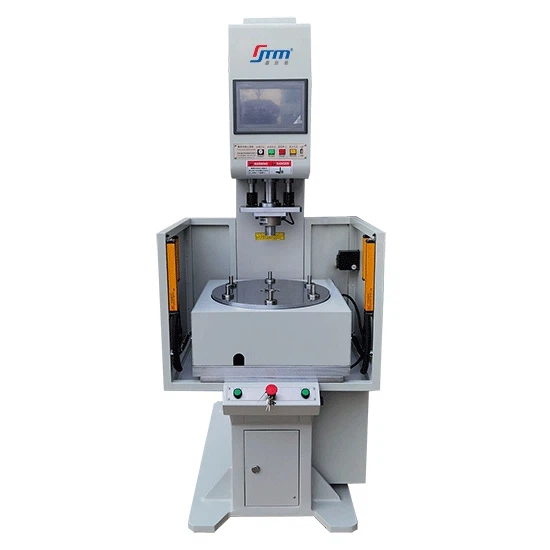
- Safety features: Operators should be familiar with the safety features of the press, such as emergency stop buttons, safety guards, and light curtains. They should also know how to use these features in case of an emergency.
- Hazard recognition: Operators should be able to recognize the potential hazards associated with using the press and know how to avoid them.
- Maintenance procedures: Operators should be trained on the proper maintenance procedures for the press, including how to clean and lubricate the machine, how to replace worn parts, and how to perform basic troubleshooting.
2. Use Safety Guards and Devices
Another important safety measure is to use safety guards and devices to prevent operators from coming into contact with the moving parts of the press. Some common safety guards and devices include:
- Safety guards: These are physical barriers that prevent operators from reaching into the hazardous areas of the press.
- Light curtains: These are devices that use infrared light to detect the presence of an operator's hand or other body part in the hazardous area. If an object is detected, the press will automatically stop.
- Emergency stop buttons: These are buttons that can be pressed to immediately stop the operation of the press in case of an emergency.
- Two-hand controls: These are controls that require the operator to use both hands to activate the press. This prevents the operator from accidentally reaching into the hazardous area while the press is in operation.
3. Implement Lockout/Tagout Procedures
Lockout/tagout procedures are used to prevent the accidental startup of the press during maintenance or repair work. These procedures involve the following steps:

- Identify the energy sources: Before performing any maintenance or repair work on the press, you should identify all the energy sources that could potentially cause the press to start up, such as electrical, hydraulic, and pneumatic systems.
- Isolate the energy sources: Once you've identified the energy sources, you should isolate them by turning off the power switches, closing the valves, and removing the fuses.
- Apply lockout/tagout devices: After isolating the energy sources, you should apply lockout/tagout devices to prevent anyone from accidentally turning on the power switches or opening the valves.
- Verify the isolation: Before starting any maintenance or repair work, you should verify that the energy sources have been properly isolated by testing the press to make sure it won't start up.
4. Maintain the Press Regularly
Regular maintenance is essential to ensure the safe and reliable operation of the high precision servo press. Some maintenance tasks that should be performed regularly include:
- Cleaning: The press should be cleaned regularly to remove dirt, debris, and other contaminants that can affect its performance.
- Lubrication: The moving parts of the press should be lubricated regularly to reduce friction and wear.
- Inspection: The press should be inspected regularly to check for any signs of wear, damage, or other problems.
- Calibration: The press should be calibrated regularly to ensure that it's operating at the correct pressure and speed.
5. Use Personal Protective Equipment (PPE)
Personal protective equipment (PPE) is another important safety measure that can help protect operators from the potential hazards associated with using high precision servo presses. Some common types of PPE that should be worn when working with these machines include:
- Safety glasses: These protect the eyes from flying debris and other hazards.
- Hearing protection: These protect the ears from the high levels of noise generated by the press.
- Gloves: These protect the hands from cuts, abrasions, and other injuries.
- Steel-toed boots: These protect the feet from heavy objects and other hazards.
Conclusion
Ensuring the safety of operators when using high precision servo presses is essential for any manufacturing facility. By providing proper training, using safety guards and devices, implementing lockout/tagout procedures, maintaining the press regularly, and using personal protective equipment, you can help reduce the risk of accidents and injuries and keep your operators safe.
If you're interested in learning more about our High Precision Servo Press or our other products, such as the Servo Hydraulic Press Machine and the C Frame Electric Servo Press, please don't hesitate to get in touch. We're always happy to answer any questions you may have and help you find the right solution for your needs.
References
- "Safe Operating Procedures for Press Machines." Occupational Safety and Health Administration.
- "Servo Press Safety Guidelines." Industry Safety Standards Association.