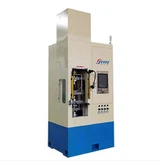
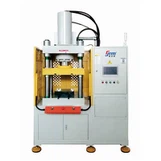
Hey there! I'm from a High Precision Servo Press supplier, and today I'm gonna walk you through how to install a high precision servo press. Whether you're a newbie in the manufacturing world or a seasoned pro looking to set up a new press, this guide is for you.
Before You Start
First things first, you gotta make sure you've got all the right tools and a suitable workspace. Check the manual that comes with your High Precision Servo Press for a list of required tools. Usually, you'll need basic stuff like wrenches, screwdrivers, and maybe a torque wrench for those critical tightening jobs.
The workspace is super important. It should be flat, clean, and big enough to accommodate the press and give you some room to move around. Make sure there's good ventilation too, as the press might generate a bit of heat during operation.
Unpacking and Inspection
When your high precision servo press arrives, take your time to unpack it carefully. Check for any obvious damage during transit. Look for dents, scratches, or loose parts. If you find anything wrong, contact your supplier right away.
Inspect all the components that come with the press. You should have the main press unit, control panel, power cables, and any additional accessories. Make sure everything is accounted for.
Positioning the Press
Once you've confirmed that everything is in good shape, it's time to position the press. Decide where you want it in your workspace. Consider factors like access to power sources, proximity to other equipment, and ease of material handling.
Use a level to make sure the press is perfectly horizontal. This is crucial for accurate operation. If the press isn't level, it can cause uneven pressure distribution and affect the quality of your work.
Mounting the Press
If your press comes with mounting holes, you'll need to secure it to the floor or a workbench. Use the appropriate bolts and follow the torque specifications in the manual. Over - tightening can damage the press, and under - tightening can lead to instability during operation.
For H Frame Electric Servo Press and C Frame Electric Servo Press, the mounting process might vary slightly, but the general principles are the same. Just make sure you follow the specific instructions for your model.
Electrical Connections
Now, let's talk about the electrical connections. This is a critical step, so if you're not confident, it's best to get an electrician to help you.
First, connect the power cable to the press. Make sure the power source matches the voltage and frequency requirements of the press. Check the manual for these details.
Next, connect the control panel to the press. This usually involves plugging in some cables and making sure they're securely fastened. The control panel is what allows you to operate the press, so it's important that the connection is good.
Control Panel Setup
Once the electrical connections are made, power on the press and the control panel. You'll need to go through the initial setup process. This might involve setting the units of measurement (like millimeters or inches), calibrating the sensors, and configuring the operating parameters.
Follow the instructions in the manual carefully. It might take a bit of time, but getting the control panel set up correctly is essential for the proper functioning of the press.
Testing the Press
After the setup is complete, it's time to do some testing. Start with a simple test run without any workpieces. Make sure the press moves smoothly up and down. Check for any unusual noises or vibrations.
If everything seems okay, you can do a test press with a sample workpiece. This will help you verify the accuracy and precision of the press. Measure the results and compare them to your requirements. If there are any issues, you might need to make some adjustments to the settings.
Maintenance and Safety Checks
Once the press is up and running, don't forget about maintenance and safety. Regularly clean the press to prevent dust and debris from affecting its performance. Check the lubrication levels if your press requires lubrication.
Also, make sure all the safety features are working properly. This includes emergency stop buttons, safety guards, and sensors. Safety should always be your top priority when operating a high precision servo press.
Troubleshooting
Even with the best installation and setup, you might encounter some problems. If the press isn't moving correctly, check the electrical connections first. Loose cables or a blown fuse could be the culprit.
If the pressure isn't accurate, it could be due to a calibration issue. Refer to the manual for instructions on how to recalibrate the press.
If you're still having problems after trying these basic troubleshooting steps, don't hesitate to contact your supplier. They'll have the expertise to help you solve the issue.
Conclusion
Installing a high precision servo press might seem like a daunting task, but if you follow these steps and the instructions in the manual, you'll be able to get it up and running smoothly.


If you're in the market for a high precision servo press or need any help with installation, setup, or maintenance, we're here to assist you. Feel free to reach out to us for more information and to discuss your specific requirements. We're committed to providing you with the best products and support.
References
- Manufacturer's manual for the high precision servo press
- Industry best practices for servo press installation