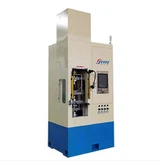
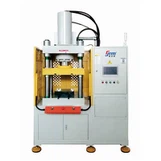
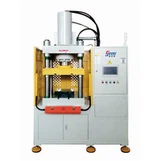
Maintaining a 20 Ton Hydraulic Press is crucial for ensuring its optimal performance, longevity, and safety. As a supplier of 20 Ton Hydraulic Presses, I understand the significance of proper maintenance. In this blog, I will share some essential tips on how to maintain your 20 Ton Hydraulic Press effectively.
Regular Inspections
Regular inspections are the cornerstone of hydraulic press maintenance. They allow you to identify potential issues before they escalate into major problems. Here are the key areas to inspect:
Hydraulic System
The hydraulic system is the heart of the press. Check the hydraulic fluid level regularly and ensure it is within the recommended range. Low fluid levels can lead to overheating and pump damage. Inspect the fluid for signs of contamination, such as dirt, debris, or water. Contaminated fluid can cause wear and tear on the hydraulic components and reduce the efficiency of the press.
Examine the hydraulic hoses and fittings for any signs of leaks, cracks, or damage. Leaking hoses can not only result in fluid loss but also pose a safety hazard. Replace any damaged hoses or fittings immediately. Additionally, check the hydraulic filters and replace them as per the manufacturer's recommendations. Clean filters help to keep the hydraulic fluid clean and prevent damage to the system.
Mechanical Components
Inspect the mechanical components of the press, such as the frame, columns, and platens, for any signs of wear, deformation, or damage. Check the alignment of the platens to ensure they are parallel and level. Misaligned platens can cause uneven pressure distribution and affect the quality of the pressing operation.
Lubricate all the moving parts, such as the guide rails, bearings, and joints, regularly. Proper lubrication reduces friction and wear, extends the lifespan of the components, and ensures smooth operation of the press. Use the recommended lubricants and follow the manufacturer's guidelines for lubrication intervals.
Electrical System
The electrical system of the press is responsible for controlling its operation. Inspect the electrical wiring, connections, and switches for any signs of damage, loose connections, or overheating. Check the safety switches and emergency stop buttons to ensure they are functioning properly. Faulty electrical components can pose a safety risk and cause the press to malfunction.
Proper Operation
Proper operation of the 20 Ton Hydraulic Press is essential for its maintenance. Here are some tips to follow:
Follow the Manufacturer's Instructions
Read and understand the operator's manual before using the press. The manual provides detailed information on the proper operation, maintenance, and safety procedures of the press. Follow the manufacturer's instructions carefully to avoid damage to the press and ensure safe operation.
Use the Correct Pressure and Speed
Do not exceed the recommended pressure and speed limits of the press. Overloading the press can cause damage to the hydraulic system, mechanical components, and electrical system. Use the appropriate pressure and speed settings for the specific pressing operation to ensure optimal performance and quality.
Avoid Overworking the Press
Do not operate the press continuously for extended periods without giving it a break. Overworking the press can cause overheating, wear and tear on the components, and reduce its lifespan. Allow the press to cool down between pressing operations to prevent damage.
Cleaning and Storage
Proper cleaning and storage of the 20 Ton Hydraulic Press are important for its maintenance. Here are some tips to follow:


Clean the Press Regularly
Clean the press regularly to remove dirt, debris, and hydraulic fluid spills. Use a mild detergent and a soft cloth to clean the exterior of the press. Avoid using abrasive cleaners or solvents that can damage the surface of the press.
Clean the hydraulic system components, such as the reservoir, pump, and valves, as per the manufacturer's recommendations. This helps to keep the hydraulic fluid clean and prevent damage to the system.
Store the Press Properly
When the press is not in use, store it in a clean, dry, and well-ventilated area. Protect the press from dust, moisture, and extreme temperatures. Cover the press with a protective cover to prevent damage.
Training and Safety
Proper training and safety procedures are essential for the maintenance and operation of the 20 Ton Hydraulic Press. Here are some tips to follow:
Train the Operators
Provide comprehensive training to the operators on the proper operation, maintenance, and safety procedures of the press. Ensure that the operators are familiar with the press controls, safety features, and emergency stop procedures. Regularly review and update the training program to keep the operators informed of the latest safety practices.
Follow Safety Procedures
Always follow the safety procedures when operating the press. Wear appropriate personal protective equipment (PPE), such as safety glasses, gloves, and hearing protection. Do not operate the press if you are tired, distracted, or under the influence of drugs or alcohol.
Conclusion
Maintaining a 20 Ton Hydraulic Press requires regular inspections, proper operation, cleaning and storage, and training and safety. By following these tips, you can ensure the optimal performance, longevity, and safety of your press. As a supplier of 20 Ton Hydraulic Presses, we are committed to providing high-quality products and excellent customer service. If you have any questions or need further assistance with the maintenance of your press, please feel free to [contact us for procurement discussions]. We also offer a range of related products, such as the 4 Post Hydraulic Press, 30 Ton Press, and Fast Hydraulic Press.
References
- Manufacturer's Operator's Manual for 20 Ton Hydraulic Press
- Hydraulic Press Maintenance Guidelines from Industry Standards