Hey there! As a supplier of stamping presses, I've seen firsthand how crucial it is to maintain the clutch in these machines. A well - maintained clutch not only ensures smooth operation but also extends the lifespan of your stamping press. In this blog, I'll share some tips on how to keep your stamping press clutch in top - notch condition.
Understanding the Stamping Press Clutch
Before we dive into maintenance, let's quickly understand what a clutch in a stamping press does. The clutch is like the heart of the stamping press. It's responsible for engaging and disengaging the drive system, allowing the press to start and stop its operations. There are different types of clutches, such as mechanical, pneumatic, and hydraulic, but the basic principle remains the same: to control the power transmission.
Regular Inspections
One of the most important steps in clutch maintenance is regular inspections. You should check the clutch at least once a month, or more frequently if your stamping press is used heavily. Look for signs of wear and tear, like excessive friction material loss, cracks, or loose parts. For example, if you notice that the clutch is slipping or making strange noises during operation, it's a clear sign that something's wrong.
Inspect the clutch plates. Over time, the friction material on the plates can wear down. If the material is less than a certain thickness, it's time to replace the plates. You can use a simple measuring tool to check the thickness. Also, make sure the plates are clean. Dirt and debris can build up on the plates, affecting their performance.

Don't forget to check the clutch springs. These springs are responsible for applying the right amount of pressure to the clutch plates. If a spring is broken or weakened, it can cause the clutch to engage or disengage improperly. Replace any damaged springs immediately.
Lubrication
Proper lubrication is key to a well - functioning clutch. Different types of clutches require different lubricants, so make sure you're using the right one. For mechanical clutches, a high - quality grease can work wonders. Apply the grease to the moving parts of the clutch, such as the pivot points and bearings.
For pneumatic and hydraulic clutches, the hydraulic fluid or air system needs to be in good condition. Check the fluid level regularly and make sure it's clean. Contaminated fluid can cause blockages and damage the internal components of the clutch. If the fluid looks dirty or has an unusual odor, it's time to change it.
Adjustment
Over time, the clutch may need adjustment. The adjustment ensures that the clutch engages and disengages at the right time. Most stamping presses have an adjustment mechanism, which can usually be accessed from the outside of the machine.

To adjust the clutch, you'll need to follow the manufacturer's instructions. In general, you'll be adjusting the clearance between the clutch plates or the pressure applied by the springs. A small adjustment can make a big difference in the performance of the clutch. If you're not comfortable making the adjustment yourself, it's best to call in a professional.
Keep it Clean
A clean clutch is a happy clutch. Dust, metal shavings, and other debris can accumulate on the clutch, causing it to malfunction. Use a clean, dry cloth to wipe down the clutch regularly. If there's stubborn dirt, you can use a mild cleaning solution, but make sure to dry the clutch thoroughly afterward.
Also, keep the area around the clutch clean. Make sure there are no loose parts or tools lying around that could accidentally fall into the clutch and cause damage.

Temperature Monitoring
The clutch can generate a lot of heat during operation. Excessive heat can damage the friction material and other components of the clutch. That's why it's important to monitor the temperature of the clutch.
You can use a temperature sensor to keep an eye on the clutch temperature. If the temperature gets too high, it could be a sign of a problem, such as excessive friction or a lack of lubrication. In this case, stop the machine immediately and let it cool down. Then, check for any issues and make the necessary repairs.
Training Your Operators
Your operators play a crucial role in clutch maintenance. Make sure they're properly trained on how to operate the stamping press correctly. Improper operation, such as sudden starts and stops, can put extra stress on the clutch and cause premature wear.
Train your operators to follow the correct startup and shutdown procedures. For example, they should always engage the clutch slowly and smoothly. Also, teach them to recognize the signs of a problem with the clutch, such as unusual noises or vibrations, and to report these issues immediately.
Upgrading Your Clutch
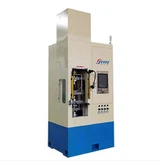
If you find that your current clutch is constantly giving you problems, it might be time to consider an upgrade. At our company, we offer a range of high - quality clutches for stamping presses. For example, our Electric Over Hydraulic Press comes with a state - of - the - art clutch system that offers better performance and reliability.
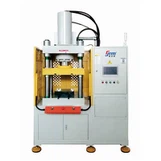
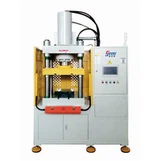
We also have the 50 Ton Hydraulic Press and 50 Ton Press, both of which are equipped with top - notch clutches designed to handle heavy - duty stamping operations.
Conclusion
Maintaining the clutch in your stamping press is essential for its long - term performance and reliability. By following these tips, you can ensure that your clutch operates smoothly and efficiently. Remember, regular inspections, proper lubrication, adjustment, and keeping the clutch clean are all key steps in clutch maintenance.
If you're looking for a new stamping press or need to upgrade your existing clutch, we're here to help. We have a wide range of stamping presses and clutch systems to meet your needs. Don't hesitate to get in touch with us to discuss your requirements and start a procurement negotiation.

References
- Stamping Press Operation Manuals
- Industry Best Practices for Clutch Maintenance in Heavy Machinery