Measuring the performance of a stamping press is crucial for any manufacturing operation that relies on these machines to produce high - quality stamped parts. As a supplier of Stamping Presses, I understand the significance of assessing a stamping press's capabilities accurately. In this blog, I'll share various methods and factors to consider when measuring the performance of a stamping press.
1. Tonnage Capacity
One of the most fundamental aspects of a stamping press is its tonnage capacity. This refers to the maximum force that the press can exert during the stamping process. It's important to measure and understand the tonnage capacity to ensure that the press can handle the specific stamping jobs at hand.
To measure the effective tonnage capacity, you can use load cells installed in the press. These load cells are capable of precisely measuring the force applied during each stamping cycle. By recording and analyzing this data over multiple cycles, you can determine the actual tonnage being used and whether it approaches or exceeds the press's rated capacity.
For example, if you're using a 20 Ton H Frame Press to stamp thin - gauge metal parts, the load cell data might show that the actual tonnage used is only 5 tons. This indicates that the press is operating well within its capacity and has room for more demanding jobs if needed. On the other hand, if the measured tonnage frequently approaches or exceeds 20 tons, it could lead to premature wear and tear on the press components and potentially affect the quality of the stamped parts.
2. Stroke Length and Speed
The stroke length of a stamping press is the distance that the ram travels from its highest position to its lowest position during a stamping cycle. The stroke length affects the size of the parts that can be stamped and the depth of the stamping operation.
To measure the stroke length, you can use a linear displacement sensor. This sensor can accurately measure the position of the ram at different points in the cycle, allowing you to determine the exact stroke length. A consistent stroke length is essential for producing parts with uniform dimensions.
The stroke speed, which is the number of strokes per minute (SPM), also plays a vital role in the performance of a stamping press. Higher stroke speeds can increase production rates, but they may also put more stress on the press and the tooling. To measure the stroke speed, you can use a proximity sensor or an encoder. These devices can detect the movement of the ram and calculate the number of strokes per minute.
For instance, in a high - volume production environment, a stamping press with a higher stroke speed might be more desirable. However, it's important to balance speed with quality. If the stroke speed is too high, the parts may not be stamped accurately, leading to defects and waste.
3. Parallelism and Squareness
Parallelism and squareness are crucial for ensuring the quality of the stamped parts. Parallelism refers to the degree to which the ram moves parallel to the bed of the press, while squareness measures the perpendicularity of the ram to the bed.
To measure parallelism, you can use dial indicators. These indicators are placed at different points on the ram and the bed, and as the ram moves, the readings on the dial indicators show any deviations from parallelism. For squareness, you can use a precision square and a height gauge. By placing the square on the bed and measuring the distance between the square and the ram at different heights, you can determine the degree of squareness.
Poor parallelism and squareness can result in uneven stamping forces, which can lead to distorted parts, premature tool wear, and even damage to the press itself. Regular measurement and adjustment of these parameters are essential for maintaining the performance and accuracy of the stamping press.
4. Energy Consumption
Energy consumption is an important aspect of a stamping press's performance, especially from a cost - effectiveness and environmental perspective. Measuring the energy consumption of a stamping press can help you identify opportunities for energy savings and optimize the operation of the machine.
You can use energy meters to measure the electrical or hydraulic energy consumed by the press during a specific period. By analyzing the energy consumption data in relation to the production output, you can calculate the energy efficiency of the press. For example, if a press consumes a large amount of energy but produces a relatively small number of parts, it may indicate that the press is not operating efficiently.
There are several ways to improve energy efficiency, such as optimizing the press cycle time, ensuring proper maintenance of the hydraulic and electrical systems, and using energy - efficient components. For example, a Jet Hydraulic Press may be designed with features that reduce energy consumption compared to traditional hydraulic presses.
5. Part Quality and Consistency
The ultimate measure of a stamping press's performance is the quality and consistency of the stamped parts. Poor part quality can lead to increased scrap rates, customer complaints, and lost business.
To measure part quality, you can use various inspection methods, such as dimensional inspection using calipers, micrometers, or coordinate measuring machines (CMMs). These tools can accurately measure the dimensions of the stamped parts and compare them to the design specifications.
In addition to dimensional accuracy, you also need to consider other quality factors, such as surface finish, material integrity, and the presence of any defects. By collecting and analyzing data on part quality over time, you can identify trends and patterns that may indicate potential issues with the stamping press.

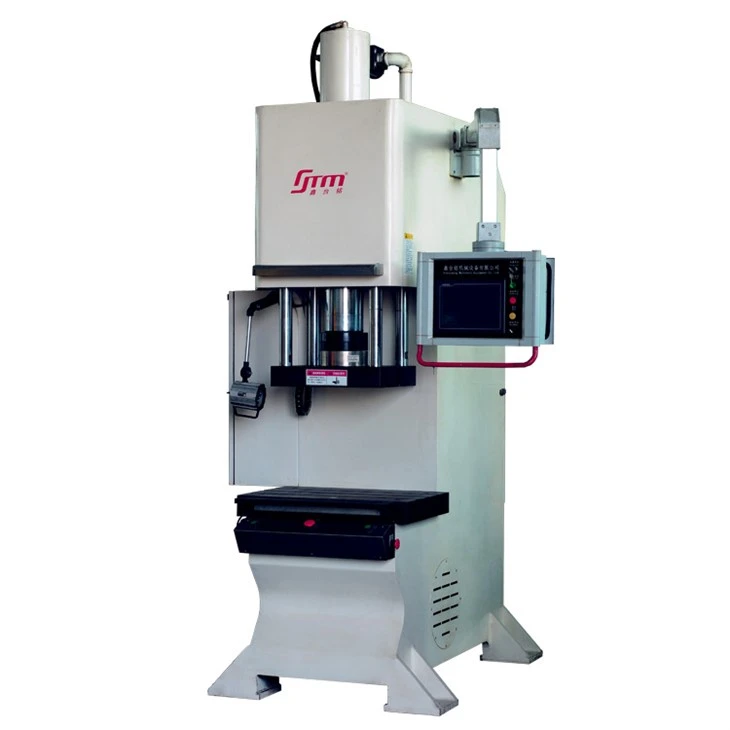
For example, if you notice an increase in the number of parts with uneven edges or cracks, it could be a sign of problems with the press's tonnage distribution, tooling, or parallelism. Addressing these issues promptly can help improve part quality and reduce production costs.
6. Maintenance and Downtime
The maintenance requirements and downtime of a stamping press are also important performance indicators. A press that requires frequent maintenance and experiences long periods of downtime can significantly impact production efficiency and profitability.
To measure maintenance and downtime, you can keep a detailed log of all maintenance activities, including scheduled maintenance, unscheduled repairs, and the time taken for each activity. By analyzing this data, you can identify the most common maintenance issues and develop strategies to reduce downtime.
For example, if a particular component of the press frequently fails, you may consider replacing it with a more reliable part or implementing a preventive maintenance program for that component. Regular maintenance, such as lubrication, cleaning, and inspection of critical components, can also help prevent unexpected breakdowns and extend the lifespan of the stamping press.
Conclusion
Measuring the performance of a stamping press is a multi - faceted process that involves assessing various parameters, including tonnage capacity, stroke length and speed, parallelism and squareness, energy consumption, part quality, and maintenance and downtime. By regularly monitoring and analyzing these factors, you can ensure that your stamping press is operating at its optimal level, producing high - quality parts efficiently, and minimizing costs.
If you're in the market for a new stamping press or looking to improve the performance of your existing equipment, I encourage you to reach out to us. Our team of experts can provide you with detailed information about our Stamping Presses and help you select the right machine for your specific needs. We're committed to providing high - quality products and excellent customer service, and we look forward to the opportunity to work with you. Contact us today to start the procurement discussion and take your stamping operations to the next level.
References
- ASM Handbook, Volume 14B: Metalworking: Sheet Forming, ASM International
- Die Design Handbook, Society of Manufacturing Engineers
- Stamping Press Technology and Applications, Industrial Press Inc.