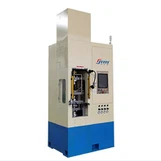
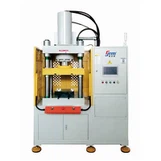
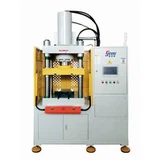
Optimizing the pressing process of a hand press machine is crucial for enhancing productivity, improving product quality, and ensuring operator safety. As a leading supplier of hand press machines, we understand the importance of this process and are committed to providing our customers with the best solutions. In this blog post, we will share some practical tips on how to optimize the pressing process of a hand press machine.

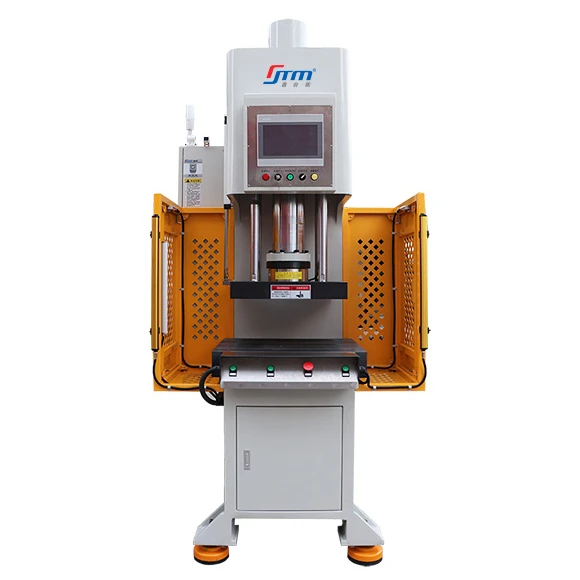
1. Machine Selection and Setup
The first step in optimizing the pressing process is to select the right hand press machine for your specific application. Consider factors such as the required force, stroke length, and the size and shape of the workpiece. Our Hand Power Press offers a wide range of options to meet different needs.
Once you have selected the appropriate machine, proper setup is essential. Ensure that the machine is placed on a stable and level surface to prevent vibrations during operation. Check the alignment of the ram and the die to ensure accurate pressing. Adjust the stroke length and pressure settings according to the requirements of the workpiece.
2. Tooling and Die Design
High - quality tooling and die design can significantly improve the pressing process. The die should be precisely machined to match the shape and dimensions of the workpiece. It is important to use the right materials for the die to ensure durability and resistance to wear.
Regular maintenance of the tooling is also necessary. Inspect the die for any signs of damage, such as cracks or excessive wear, and replace it if necessary. Lubricate the die and other moving parts to reduce friction and extend their lifespan.
3. Workpiece Preparation
Proper workpiece preparation is key to achieving optimal results. The workpiece should be clean and free from any contaminants, such as dirt, oil, or rust. This ensures good contact between the workpiece and the die, which is essential for accurate pressing.
Measure the workpiece carefully to ensure that it meets the required specifications. If necessary, perform any pre - processing operations, such as cutting or bending, to prepare the workpiece for the pressing process.
4. Operator Training
Well - trained operators are crucial for optimizing the pressing process. Provide comprehensive training to your operators on the safe and efficient operation of the hand press machine. They should be familiar with the machine's controls, safety features, and maintenance procedures.
Train operators on proper hand placement and body posture to prevent injuries. Teach them how to monitor the pressing process and detect any abnormalities, such as unusual noises or vibrations, which may indicate a problem with the machine or the workpiece.
5. Process Monitoring and Quality Control
Regularly monitor the pressing process to ensure that it is operating within the desired parameters. Use sensors or other monitoring devices to measure variables such as force, pressure, and stroke length. This data can be used to identify any deviations from the standard process and make adjustments as needed.
Implement a quality control system to inspect the pressed parts. Check for any defects, such as cracks, burrs, or incorrect dimensions. Use statistical process control techniques to analyze the data and identify trends in the quality of the pressed parts.
6. Maintenance and Troubleshooting
Regular maintenance of the hand press machine is essential for its optimal performance. Follow the manufacturer's recommended maintenance schedule, which may include tasks such as lubrication, cleaning, and inspection of the machine's components.
Keep a record of all maintenance activities and any problems that occur during the operation of the machine. This information can be used to identify recurring issues and take preventive measures. In case of a breakdown, have a troubleshooting plan in place to quickly identify and resolve the problem.
7. Consider Second - Hand Machines
If you are on a budget or looking for a cost - effective solution, our Power Press Second Hand and Power Press Machine Second Hand options can be a great choice. These machines are thoroughly inspected and refurbished to ensure reliable performance.
However, when purchasing a second - hand machine, it is important to conduct a detailed inspection and ask for a maintenance history. This will help you to assess the condition of the machine and make an informed decision.
Conclusion
Optimizing the pressing process of a hand press machine requires a combination of proper machine selection, tooling design, workpiece preparation, operator training, process monitoring, and maintenance. By following these tips, you can improve the productivity, quality, and safety of your pressing operations.
As a trusted supplier of hand press machines, we are here to support you in every step of the process. Whether you need advice on machine selection, tooling design, or troubleshooting, our team of experts is ready to assist you. If you are interested in purchasing a hand press machine or have any questions about optimizing your pressing process, please feel free to contact us for a consultation. We look forward to working with you to achieve your production goals.
References
- "Hand Press Machine Operation Manual"
- "Tooling and Die Design for Pressing Processes"
- "Quality Control in Pressing Operations"