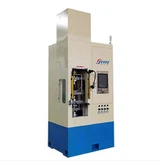
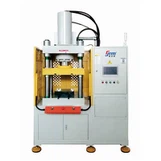
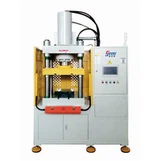
Hey there! As a supplier of 20 Ton H Frame Press, I often get asked about how to replace the hydraulic oil in these machines. It's an important maintenance task that can significantly impact the performance and lifespan of your press. So, let's dive right into it!
Why Replace Hydraulic Oil?
First off, you might be wondering why you need to replace the hydraulic oil in the first place. Well, over time, the hydraulic oil in your 20 Ton H Frame Press can break down due to heat, oxidation, and contamination. When this happens, it loses its lubricating properties and can cause increased wear and tear on the internal components of the press. This can lead to reduced efficiency, increased energy consumption, and even costly breakdowns. By regularly replacing the hydraulic oil, you can keep your press running smoothly and avoid these issues.
When to Replace Hydraulic Oil
The frequency of hydraulic oil replacement depends on several factors, including the operating conditions of the press, the type of hydraulic oil used, and the manufacturer's recommendations. In general, it's a good idea to replace the hydraulic oil every 1,000 to 2,000 operating hours or at least once a year, whichever comes first. However, if the press is operating in harsh conditions, such as high temperatures or dusty environments, you may need to replace the oil more frequently.


Tools and Materials You'll Need
Before you start replacing the hydraulic oil, you'll need to gather a few tools and materials. Here's what you'll need:
- A drain pan large enough to hold all the hydraulic oil in the press
- A socket wrench set
- A funnel
- A clean cloth or rag
- The appropriate type and amount of hydraulic oil recommended by the manufacturer
Step-by-Step Guide to Replacing Hydraulic Oil
Now that you have everything you need, let's walk through the steps of replacing the hydraulic oil in your 20 Ton H Frame Press:
Step 1: Prepare the Press
- Turn off the power to the press and allow it to cool down completely. This will prevent any accidental startup and reduce the risk of burns.
- Locate the hydraulic oil reservoir on the press. It's usually a large tank located near the base of the machine.
- Place the drain pan under the drain plug of the hydraulic oil reservoir.
Step 2: Drain the Old Hydraulic Oil
- Use the socket wrench to loosen the drain plug on the bottom of the hydraulic oil reservoir. Be careful, as the oil may be hot.
- Allow the old hydraulic oil to drain completely into the drain pan. This may take a few minutes, depending on the size of the reservoir.
- Once the oil has finished draining, tighten the drain plug securely.
Step 3: Clean the Hydraulic Oil Reservoir
- Use the clean cloth or rag to wipe the inside of the hydraulic oil reservoir. This will remove any dirt, debris, or sludge that may have accumulated.
- If necessary, you can use a mild detergent and water to clean the reservoir. Just make sure to rinse it thoroughly and dry it completely before adding new oil.
Step 4: Add New Hydraulic Oil
- Use the funnel to pour the new hydraulic oil into the hydraulic oil reservoir. Make sure to use the appropriate type and amount of oil recommended by the manufacturer.
- Check the oil level indicator on the reservoir to ensure that the oil level is within the recommended range. If necessary, add more oil until the level is correct.
Step 5: Prime the Hydraulic System
- Turn on the power to the press and allow it to run for a few minutes. This will prime the hydraulic system and circulate the new oil throughout the machine.
- Check for any leaks around the hydraulic oil reservoir, hoses, and fittings. If you notice any leaks, turn off the power to the press immediately and tighten the fittings or replace the damaged parts.
Step 6: Dispose of the Old Hydraulic Oil Properly
- Once you have finished replacing the hydraulic oil, dispose of the old oil properly. Do not pour it down the drain or into the environment, as it can be harmful to the environment and human health. Instead, take the old oil to a recycling center or a hazardous waste disposal facility.
Tips and Tricks
- Always wear protective gloves and eyewear when working with hydraulic oil to avoid skin contact and eye irritation.
- Keep the work area clean and free of debris to prevent contamination of the new hydraulic oil.
- Follow the manufacturer's recommendations for the type and amount of hydraulic oil to use in your press.
- If you're not comfortable replacing the hydraulic oil yourself, you can always hire a professional mechanic or technician to do it for you.
Other Hydraulic Presses We Offer
In addition to our 20 Ton H Frame Press, we also offer a wide range of other hydraulic presses, including 50 Ton Press, Hot Hydraulic Press, and Four Column Three Beam Hydraulic Press. These presses are designed to meet the needs of various industries and applications, and they offer high performance, reliability, and durability.
Contact Us for Purchase and Consultation
If you're interested in purchasing a hydraulic press or have any questions about our products or services, please don't hesitate to contact us. Our team of experts is always ready to help you find the right press for your needs and provide you with the support and guidance you need to keep it running smoothly.
References
- Manufacturer's manual for the 20 Ton H Frame Press
- Hydraulic system maintenance guidelines from industry standards