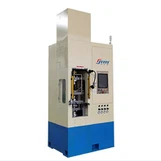
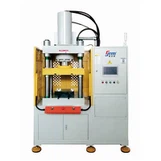
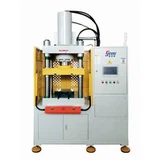
As a supplier of electric servo presses, I understand the importance of proper storage for these high - precision and valuable machines. Electric servo presses are sophisticated pieces of equipment that require careful handling and storage to maintain their performance and longevity. In this blog, I'll share some essential tips on how to store an electric servo press effectively.
Pre - storage Inspection and Maintenance
Before storing the electric servo press, a comprehensive inspection and maintenance routine should be carried out. First, clean the entire machine thoroughly. Use a soft, dry cloth to wipe off any dust, debris, or oil stains on the surface of the press. Pay special attention to the moving parts, such as the ram, guides, and ball screws. Any accumulated dirt or debris in these areas can cause premature wear and tear during storage and subsequent operation.
Check all the electrical components for any signs of damage or loose connections. Inspect the wiring harnesses to ensure they are intact and properly secured. Tighten any loose screws or bolts on the control panel and other electrical enclosures. This step is crucial because electrical issues can be difficult to diagnose and fix after long - term storage.
Lubricate all the necessary moving parts. Apply a high - quality lubricant to the ball screws, linear guides, and other friction points. The lubricant not only reduces friction but also protects the metal surfaces from corrosion during storage. Make sure to follow the manufacturer's recommendations regarding the type and amount of lubricant to use.
Choosing the Right Storage Location
The storage location plays a vital role in preserving the condition of the electric servo press. Select a dry, clean, and well - ventilated area. Moisture is one of the biggest enemies of metal components, as it can cause rust and corrosion. A humidity level of less than 60% is ideal for storing the press. If the storage area is prone to high humidity, consider using a dehumidifier to maintain the appropriate moisture level.
The storage space should be free from excessive dust and contaminants. Dust can penetrate into the machine's internal components, causing abrasion and potentially affecting its performance. A clean environment also makes it easier to conduct regular inspections during the storage period.
Ensure that the storage location is protected from extreme temperatures. Electric servo presses are designed to operate within a certain temperature range, typically between 5°C and 40°C. Exposure to extremely high or low temperatures can damage the electrical components, lubricants, and mechanical parts. If the storage area is not climate - controlled, take extra precautions to insulate the press from temperature fluctuations.
Protection and Covering
Once the press is inspected, maintained, and placed in the appropriate storage location, it's important to provide adequate protection. Use a high - quality, dust - proof cover to shield the machine from dust and other environmental contaminants. The cover should fit snugly over the press and be made of a durable material that can withstand the storage conditions.


For added protection, consider wrapping the more delicate components, such as the control panel and sensors, with anti - static packaging. This helps prevent static electricity from damaging the sensitive electronic parts. Additionally, cover any exposed metal surfaces with a rust - preventive coating to further safeguard against corrosion.
Storage Position and Support
The electric servo press should be stored in its proper operating position whenever possible. This helps maintain the alignment of the internal components and reduces the risk of stress or deformation. If the press needs to be moved or repositioned for storage, make sure to follow the manufacturer's guidelines carefully.
Provide proper support for the press during storage. Use sturdy stands or pallets to keep the machine off the ground. This not only protects the bottom of the press from damage but also allows for better air circulation around the machine, reducing the risk of moisture accumulation.
Regular Inspections During Storage
Even during storage, the electric servo press should be inspected regularly. Set a schedule for inspections, for example, once every three months. During these inspections, check for any signs of rust, corrosion, or damage. Look for any changes in the lubrication, such as drying out or contamination.
Inspect the electrical components again to ensure that there are no loose connections or signs of overheating. Check the integrity of the cover and any protective packaging. If any issues are detected during the inspection, address them immediately to prevent further damage.
Documentation and Record - keeping
Keep detailed records of the pre - storage inspection, maintenance activities, and all subsequent inspections during the storage period. This documentation can be valuable for future reference, especially when the press is taken out of storage and put back into operation. It can also help identify any patterns or potential problems that may need to be addressed.
Benefits of Proper Storage
Proper storage of an electric servo press offers several benefits. Firstly, it extends the lifespan of the machine. By protecting it from corrosion, wear, and damage, the press can continue to perform at its best for many years. Secondly, it reduces the need for costly repairs and maintenance after storage. When the press is stored correctly, it is less likely to develop problems that require extensive troubleshooting and repair.
Thirdly, proper storage ensures that the press is ready for immediate use when needed. This can save time and increase productivity, especially in industries where production schedules are tight.
Conclusion
Storing an electric servo press correctly is essential for maintaining its performance and longevity. By following the steps outlined above, including pre - storage inspection and maintenance, choosing the right storage location, providing protection, and conducting regular inspections, you can ensure that your electric servo press remains in top condition during storage.
If you are interested in our Servo Hydraulic Press Machine or Servo Hydraulic Press Machine or Hydraulic Servo Press, we welcome you to contact us for procurement and further discussions. Our team of experts is ready to assist you in finding the best solution for your specific needs.
References
- "Servo Press Technology Handbook" - Industry - specific technical guide
- Manufacturer's manuals for electric servo presses