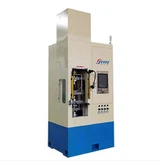
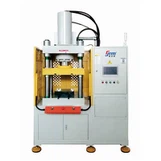
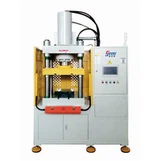
Troubleshooting common problems in a 30 Ton Press is a crucial skill for anyone involved in industrial operations. As a supplier of 30 Ton Presses, I've encountered a wide range of issues over the years. In this blog, I'll share some practical tips on how to identify and resolve these problems effectively.


Understanding the Basics of a 30 Ton Press
Before delving into troubleshooting, it's essential to have a basic understanding of what a 30 Ton Press is and how it works. A 30 Ton Press is a machine that uses hydraulic or mechanical force to exert pressure up to 30 tons. It is commonly used in various industries for tasks such as metal forming, punching, and assembly.
The main components of a 30 Ton Press typically include a hydraulic pump, cylinder, control valves, and a frame. The hydraulic pump generates the pressure needed to move the cylinder, which in turn applies force to the workpiece. The control valves regulate the flow of hydraulic fluid, allowing for precise control of the pressing operation.
Common Problems and Their Solutions
1. Press Not Operating
- Electrical Issues: One of the most common reasons for a press not operating is an electrical problem. Check the power supply to ensure that the press is properly connected and that the circuit breaker or fuse has not tripped. Also, inspect the wiring for any signs of damage or loose connections.
- Hydraulic Fluid Level: Low hydraulic fluid level can prevent the press from functioning correctly. Check the fluid level in the reservoir and add more if necessary. Make sure to use the recommended type of hydraulic fluid for your press.
- Control Valve Malfunction: A malfunctioning control valve can cause the press to stop operating. Check the valve for any signs of damage or blockage. If the valve is damaged, it may need to be replaced.
2. Insufficient Pressing Force
- Hydraulic Leaks: Hydraulic leaks can result in a loss of pressure, leading to insufficient pressing force. Inspect the hydraulic hoses, fittings, and seals for any signs of leakage. If a leak is detected, repair or replace the damaged component.
- Worn Seals: Over time, the seals in the hydraulic cylinder can wear out, causing a loss of pressure. Replace the worn seals to restore the proper functioning of the press.
- Pump Issues: A faulty hydraulic pump can also cause insufficient pressing force. Check the pump for any signs of damage or malfunction. If the pump is not working correctly, it may need to be repaired or replaced.
3. Pressing Operation is Jerky or Unstable
- Air in the Hydraulic System: Air in the hydraulic system can cause the pressing operation to be jerky or unstable. To remove the air, bleed the hydraulic system according to the manufacturer's instructions.
- Dirty Hydraulic Fluid: Dirty hydraulic fluid can also cause problems with the pressing operation. Replace the hydraulic fluid and clean the filter regularly to prevent contamination.
- Mechanical Issues: Loose or worn mechanical components can also contribute to an unstable pressing operation. Check the bolts, nuts, and other mechanical parts for tightness and wear. Tighten or replace any loose or worn components as needed.
4. Overheating
- Insufficient Cooling: If the press is overheating, it may be due to insufficient cooling. Check the cooling system, including the radiator and fan, to ensure that they are functioning properly. Clean the radiator and fan if necessary.
- Excessive Workload: Overloading the press can cause it to overheat. Make sure to operate the press within its rated capacity. If you need to perform heavy-duty tasks, consider upgrading to a larger capacity press, such as a 50 Ton Hydraulic Press.
- Hydraulic Fluid Temperature: High hydraulic fluid temperature can also lead to overheating. Check the fluid temperature and make sure it is within the recommended range. If the fluid temperature is too high, add a cooling unit to the hydraulic system.
Preventive Maintenance
Preventive maintenance is key to avoiding common problems in a 30 Ton Press. Here are some maintenance tips to keep your press in good working condition:
- Regular Inspections: Conduct regular inspections of the press to check for any signs of wear, damage, or leaks. Inspect the hydraulic system, electrical components, and mechanical parts.
- Fluid Changes: Replace the hydraulic fluid and filter at regular intervals as recommended by the manufacturer. This will help to prevent contamination and ensure the proper functioning of the hydraulic system.
- Lubrication: Lubricate the moving parts of the press regularly to reduce friction and wear. Use the recommended lubricant for each component.
- Training: Train your operators on the proper use and maintenance of the press. This will help to prevent operator errors and extend the lifespan of the press.
When to Seek Professional Help
While many common problems in a 30 Ton Press can be resolved through basic troubleshooting and maintenance, there are times when it's necessary to seek professional help. Here are some situations where you should contact a professional technician:
- Complex Problems: If you encounter a problem that you are unable to diagnose or solve on your own, it's best to call a professional. They have the expertise and tools to identify and resolve complex issues.
- Safety Concerns: If you suspect that there is a safety issue with the press, such as a hydraulic leak or a malfunctioning safety device, do not attempt to fix it yourself. Contact a professional immediately to ensure the safety of your operators.
- Warranty Issues: If your press is still under warranty, it's important to contact the manufacturer or an authorized service provider for repairs. Attempting to repair the press yourself may void the warranty.
Conclusion
Troubleshooting common problems in a 30 Ton Press requires a basic understanding of how the press works and some practical skills. By following the tips outlined in this blog, you can identify and resolve many common issues on your own. However, it's important to remember that preventive maintenance is the best way to avoid problems in the first place.
If you are in the market for a new 30 Ton Press or need assistance with troubleshooting or maintenance, we are here to help. As a leading supplier of Industrial Hydraulic Press Machine, we offer a wide range of high-quality presses, including Electric Hydraulic Press. Contact us today to discuss your requirements and learn more about our products and services.
References
- Manufacturer's manuals for 30 Ton Presses
- Industry standards and best practices for hydraulic press maintenance and troubleshooting