Is a 20 Ton Benchtop Press suitable for pressing keys?
In the manufacturing and DIY communities, the question of whether a 20 Ton Benchtop Press is suitable for pressing keys often arises. As a supplier of 20 Ton Benchtop Presses, I am well - positioned to delve into this topic and provide a comprehensive analysis.
Understanding the 20 Ton Benchtop Press
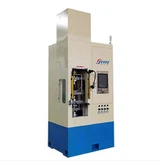
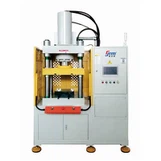
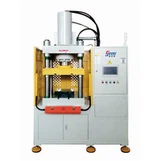
A 20 Ton Benchtop Press is a powerful and versatile piece of equipment. It is designed to exert a force of up to 20 tons, which is equivalent to approximately 177,929 Newtons. This significant amount of force makes it suitable for a wide range of applications, from metalworking to assembly tasks. The benchtop design allows for easy placement in a workshop or manufacturing setting, providing a stable platform for operations.
The press typically operates using a hydraulic system, which offers precise control over the applied force. This means that operators can adjust the pressure according to the specific requirements of the task at hand. Moreover, the compact size of the benchtop press makes it accessible to small - scale manufacturers, hobbyists, and even larger companies that need a secondary or specialized pressing station.
Key Pressing Requirements
When it comes to pressing keys, the requirements can vary depending on the type of keys and the application. For example, in the electronics industry, keys on keyboards or control panels need to be pressed with a relatively gentle yet consistent force. The key mechanism usually consists of a plastic or rubber component that needs to be seated properly onto a circuit board or a supporting structure.
The force required for pressing these types of keys is typically in the range of a few Newtons to tens of Newtons. For instance, a standard computer keyboard key might require a force of around 5 - 10 Newtons to actuate properly. On the other hand, in the automotive or machinery industries, keys used for locking or engaging components might require a higher force, but still nowhere near the 20 - ton capacity of a 20 Ton Benchtop Press.
Suitability Analysis
Advantages of Using a 20 Ton Benchtop Press for Key Pressing
- Precision and Control: As mentioned earlier, the hydraulic system of the 20 Ton Benchtop Press allows for precise control of the applied force. This means that even though the press has a high - capacity rating, it can be adjusted to apply the relatively small forces required for key pressing. Operators can set the pressure accurately, ensuring that each key is pressed with the exact force needed, which is crucial for maintaining the quality and functionality of the keys.
- Versatility: A 20 Ton Benchtop Press can be used for multiple tasks in a workshop. If a company or hobbyist is involved in various manufacturing processes, having a single press that can be used for key pressing as well as other heavier - duty tasks such as metal stamping or bearing installation is highly beneficial. It reduces the need for multiple pieces of equipment, saving both space and cost.
- Stability: The benchtop design provides a stable platform for key pressing operations. This stability is essential for ensuring that the keys are pressed evenly and accurately. Any vibrations or movement during the pressing process can lead to misaligned or damaged keys, which can affect the performance of the final product.
Disadvantages of Using a 20 Ton Benchtop Press for Key Pressing
- Over - Capacity: The 20 - ton capacity of the press is significantly higher than the force required for most key - pressing applications. This means that there is a risk of applying too much force if the operator is not careful. Excessive force can damage the keys, especially if they are made of delicate materials such as plastic or rubber.
- Cost and Complexity: A 20 Ton Benchtop Press is a relatively expensive piece of equipment compared to specialized key - pressing machines. Additionally, it requires a certain level of technical knowledge to operate and maintain. For small - scale operations or hobbyists who only need to press keys occasionally, the cost and complexity of the press might not be justified.
Alternative Options
If the 20 Ton Benchtop Press is not the most suitable option for key pressing, there are alternative solutions available.
- Specialized Key - Pressing Machines: These machines are designed specifically for pressing keys. They are usually smaller, more affordable, and easier to operate. They can be programmed to apply the exact force required for different types of keys, ensuring high - quality results.
- Manual Presses: For very small - scale operations or prototyping, manual presses can be a cost - effective option. Manual presses allow operators to control the force applied by hand, which can be sufficient for pressing a small number of keys.
Conclusion
In conclusion, whether a 20 Ton Benchtop Press is suitable for pressing keys depends on several factors. For companies or individuals that require a high - level of precision, versatility, and have the technical expertise to operate the press safely, it can be a viable option. However, for those with limited needs, the high capacity, cost, and complexity of the press might make it less attractive.
As a supplier of 20 Ton Benchtop Presses, I understand the importance of choosing the right equipment for the job. Our 20 Ton Press offers a wide range of features and capabilities that can be adapted to various applications, including key pressing. We also provide a Fast Hydraulic Press that can offer quick and efficient pressing operations. For heavier - duty applications, our 75 Ton Hydraulic Press is available.
If you are considering purchasing a press for key - pressing or any other application, I encourage you to contact us for a detailed discussion. Our team of experts can help you evaluate your needs and determine the most suitable equipment for your requirements. We look forward to assisting you in making the right choice for your business.


References
- Engineering Handbook on Material Testing and Pressing Operations
- Industry Reports on Key Manufacturing and Assembly Processes