In the world of industrial manufacturing, the choice between an electric servo press and a pneumatic press can significantly impact production efficiency, quality, and cost. As a supplier of electric servo presses, I've witnessed firsthand the unique advantages and differences between these two types of presses. In this blog post, I'll delve into the key disparities between electric servo presses and pneumatic presses, helping you make an informed decision for your manufacturing needs.
1. Working Principle
- Pneumatic Presses: Pneumatic presses operate using compressed air as their power source. An air compressor generates compressed air, which is then directed into a cylinder. The compressed air pushes a piston within the cylinder, creating linear motion that is transferred to the press ram. This simple and straightforward mechanism allows for quick and easy operation. However, the force generated by pneumatic presses is limited by the air pressure available, typically ranging from a few hundred to a few thousand pounds of force.
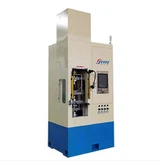
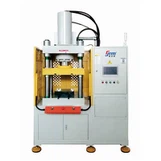
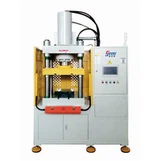
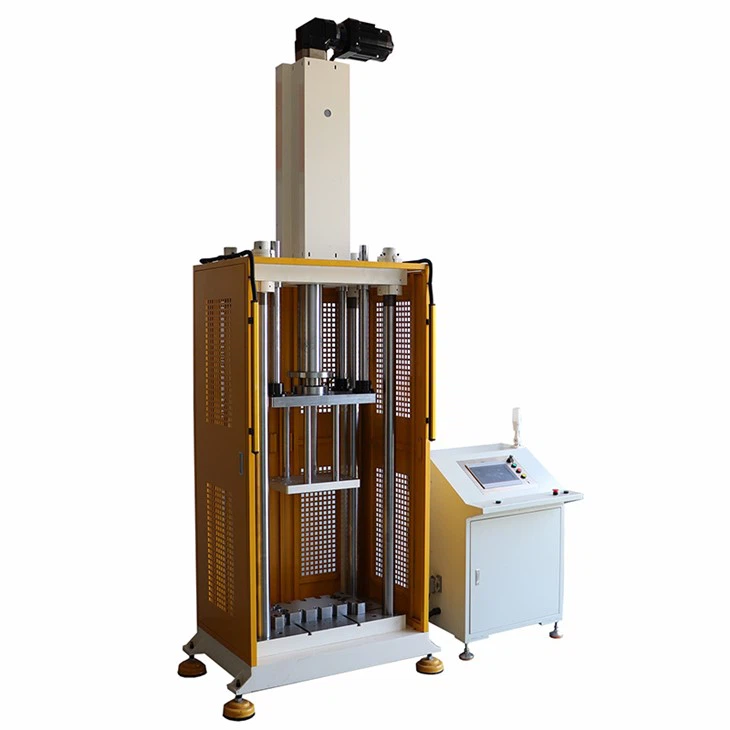
- Electric Servo Presses: Electric servo presses, on the other hand, rely on an electric motor and a servo control system. The servo motor precisely controls the movement of the press ram based on programmed instructions. This allows for highly accurate and repeatable motion control. The motor can generate a wide range of forces, from relatively low forces for delicate assembly operations to high forces for heavy stamping and forming applications. The ability to precisely control the force, speed, and position of the ram makes electric servo presses suitable for a diverse range of manufacturing processes.
2. Force and Precision
- Force Generation: Pneumatic presses are well - suited for applications that require moderate force. While they can be designed to generate relatively high forces, the force output is often less consistent compared to electric servo presses. This is because the air pressure can fluctuate, especially in systems with long air lines or multiple pneumatic devices sharing the same air supply. Electric servo presses, in contrast, can generate a consistent and precise force throughout the entire stroke. They can also adjust the force dynamically during the pressing operation, which is particularly useful for applications such as precision assembly where different forces may be required at different stages.
- Precision: Precision is a major differentiator between the two types of presses. Pneumatic presses typically have a lower level of precision due to the compressibility of air. The air cushion effect can cause some variation in the position and force applied during the pressing cycle. Electric servo presses offer extremely high precision, with position control accuracy often within a few micrometers. This high level of precision is crucial for industries such as electronics manufacturing, where components need to be assembled with tight tolerances.
3. Energy Efficiency
- Pneumatic Presses: Pneumatic presses can be energy - inefficient. The process of compressing air requires a significant amount of energy, and there are often losses in the air distribution system due to leaks, pressure drops, and the need to maintain a constant air pressure. Additionally, pneumatic presses may continue to consume energy even when they are not actively pressing, as the air compressor needs to run continuously to maintain the required air pressure.
- Electric Servo Presses: Electric servo presses are generally more energy - efficient. They only consume energy when the press is in operation, and the servo control system can optimize the energy consumption based on the specific requirements of the pressing task. For example, the motor can operate at a lower power when less force is needed, reducing overall energy usage. This energy efficiency not only helps to reduce operating costs but also makes electric servo presses a more environmentally friendly option.
4. Noise and Vibration
- Pneumatic Presses: Pneumatic presses tend to be noisy during operation. The rapid release and compression of air in the cylinders create a significant amount of noise, which can be a nuisance in the workplace and may require the use of noise - reducing equipment such as mufflers. In addition, the sudden movement of the piston in the cylinder can cause vibrations, which may affect the quality of the work being performed and the longevity of the press components.
- Electric Servo Presses: Electric servo presses operate more quietly and with less vibration. The smooth and controlled motion of the electric motor reduces both noise and vibration levels. This makes them more suitable for environments where noise and vibration need to be minimized, such as clean rooms or areas where workers are in close proximity to the presses.
5. Flexibility and Programmability
- Pneumatic Presses: Pneumatic presses are relatively inflexible in terms of their operation. Once the air pressure and stroke length are set, it can be difficult to make significant changes without modifying the hardware. They are best suited for simple, repetitive pressing tasks where the same force and stroke are required for each cycle.
- Electric Servo Presses: Electric servo presses offer a high degree of flexibility and programmability. The servo control system allows for easy adjustment of the force, speed, and position of the ram. Different pressing programs can be stored and recalled for different products or processes. This makes electric servo presses ideal for small - batch production, prototyping, and applications where process parameters need to be changed frequently.
6. Maintenance and Lifespan
- Pneumatic Presses: Pneumatic presses require regular maintenance to ensure proper operation. The air compressor needs to be maintained, including tasks such as changing filters, checking oil levels (in oil - lubricated compressors), and inspecting for air leaks. The cylinders and valves in the pneumatic system also need to be inspected and replaced periodically. The lifespan of a pneumatic press can be affected by factors such as the quality of the air supply and the frequency of use.
- Electric Servo Presses: Electric servo presses generally have a lower maintenance requirement. The electric motor and servo control system are designed for long - term reliability. There are no air - related components that need regular maintenance, such as air filters or compressors. However, the electrical components may need occasional inspection and calibration to ensure optimal performance. With proper care, electric servo presses can have a longer lifespan compared to pneumatic presses.
7. Applications
- Pneumatic Presses: Pneumatic presses are commonly used in applications where moderate force and relatively low precision are acceptable. These include simple stamping, riveting, and some light assembly operations. They are also popular in industries where the initial cost is a major consideration, as pneumatic presses are generally less expensive to purchase than electric servo presses.
- Electric Servo Presses: Electric servo presses are used in a wide range of high - precision applications. In the electronics industry, they are used for component assembly, such as bonding chips and connectors. In the automotive industry, they are used for precision forming and assembly of engine components and body parts. Other applications include medical device manufacturing, aerospace component production, and precision machining.
If you are interested in exploring the benefits of electric servo presses for your manufacturing operations, we offer a variety of high - quality electric servo presses, including the C Frame Electric Servo Press, Servo Hydraulic Press Machine, and H Frame Electric Servo Press. Our team of experts can help you select the right press for your specific needs. Contact us to start a discussion about your requirements and how our electric servo presses can improve your production processes.

References
- "Industrial Press Technology Handbook", a comprehensive guide on different types of presses and their applications.
- "Advanced Manufacturing Processes", a research - based publication on the latest trends in manufacturing technology, including press technology.
- "Servo Press Systems: Design and Applications", a technical book focusing on the design and use of electric servo presses.