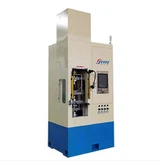
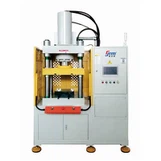
As a supplier of Fast Hydraulic Press, fire prevention is a crucial aspect that we must emphasize. Fast hydraulic presses are widely used in various industrial applications, and ensuring their safety from fire hazards is of utmost importance. In this blog, we will explore the fire - prevention measures for a fast hydraulic press.
Understanding the Fire Risks in Fast Hydraulic Presses
Fast hydraulic presses operate under high pressure and involve the use of hydraulic fluids. These fluids are often flammable, and if there is a leakage or overheating, it can lead to a fire. Additionally, electrical components in the press, such as motors and control systems, can also be a source of ignition if they malfunction.
1. Proper Installation and Location
- Installation in a Well - Ventilated Area: When installing a fast hydraulic press, it is essential to choose a well - ventilated location. Good ventilation helps to dissipate heat and prevent the accumulation of flammable vapors. A poorly ventilated area can cause the temperature to rise, increasing the risk of a fire. For example, if the hydraulic fluid leaks and forms vapors, proper ventilation can carry these vapors away before they reach a combustible concentration.
- Distance from Flammable Materials: The press should be installed at a safe distance from flammable materials such as lubricants, solvents, and packaging materials. This reduces the risk of a fire spreading quickly in case of an ignition in the press. A general rule of thumb is to keep at least a few meters of clearance between the press and any flammable substances.
2. Maintenance of Hydraulic Systems
- Regular Fluid Checks: The hydraulic fluid is the lifeblood of the fast hydraulic press. Regularly check the fluid level, quality, and temperature. Low fluid levels can cause the pump to overheat, while contaminated fluid can lead to increased friction and heat generation. Replace the hydraulic fluid according to the manufacturer's recommendations. For instance, if the fluid shows signs of excessive oxidation or contains debris, it should be replaced immediately.
- Leak Detection and Repair: Inspect the hydraulic system for leaks on a regular basis. Even a small leak can be a potential fire hazard, as the flammable hydraulic fluid can drip onto hot surfaces or electrical components. Use appropriate sealing materials and techniques to repair any leaks promptly. For example, if a seal is worn out, replace it with a high - quality seal that is compatible with the hydraulic fluid.
3. Electrical System Safety
- Insulation and Grounding: Ensure that all electrical components in the fast hydraulic press are properly insulated and grounded. Faulty insulation can lead to short circuits, which can generate sparks and start a fire. Regularly inspect the insulation for signs of damage, such as cracks or fraying. Grounding helps to prevent the build - up of static electricity, which can also be a source of ignition.
- Overload Protection: Install overload protection devices in the electrical system. These devices can automatically cut off the power supply if the electrical current exceeds a safe level. This helps to prevent overheating of the electrical components and reduces the risk of a fire. For example, circuit breakers and fuses can be used as overload protection devices.
4. Fire Suppression Systems
- Installation of Fire Extinguishers: Place appropriate fire extinguishers near the fast hydraulic press. The type of fire extinguisher should be suitable for extinguishing fires involving hydraulic fluids and electrical equipment. For example, a dry chemical fire extinguisher is often recommended for both flammable liquid and electrical fires. Make sure that the fire extinguishers are easily accessible and in good working condition.
- Automatic Sprinkler Systems: In some industrial settings, it may be necessary to install automatic sprinkler systems. These systems can detect a fire quickly and release water to extinguish it. Automatic sprinkler systems are especially useful in large facilities where a fire can spread rapidly. However, it is important to ensure that the sprinkler system is compatible with the hydraulic press and the surrounding environment.
5. Operator Training
- Fire Safety Training: Provide comprehensive fire safety training to all operators of the fast hydraulic press. Operators should be aware of the fire risks associated with the press and know how to prevent fires. They should also be trained on how to use fire extinguishers and what to do in case of a fire emergency. For example, operators should know the location of the nearest fire extinguisher and how to operate it effectively.
- Emergency Response Procedures: Develop and implement clear emergency response procedures for fire incidents. Operators should know how to evacuate the area safely, how to alert the relevant authorities, and how to shut down the press in case of a fire. Regularly conduct fire drills to ensure that all operators are familiar with the emergency response procedures.
6. Monitoring and Alarm Systems
- Temperature and Smoke Sensors: Install temperature and smoke sensors in the vicinity of the fast hydraulic press. These sensors can detect an increase in temperature or the presence of smoke, which are early signs of a fire. Once a sensor is triggered, an alarm can be sounded, alerting the operators to take immediate action.
- Remote Monitoring: Consider implementing a remote monitoring system. This allows the management to monitor the status of the fast hydraulic press and the fire - prevention systems from a remote location. Remote monitoring can provide real - time information and enable quick response in case of an emergency.
Importance of Fire - Prevention Measures in Our Products
As a supplier of Fast Hydraulic Press, we understand the importance of fire - prevention measures. Our products are designed with safety in mind, and we provide detailed installation, operation, and maintenance instructions to our customers. We offer a range of Air Operated Hydraulic Press, Industrial Hydraulic Press Machine, and 30 Tonne Hydraulic Press that are equipped with advanced fire - prevention features.
We also offer after - sales support to ensure that our customers can maintain the fire - prevention systems of our presses effectively. Our team of experts is always ready to provide technical assistance and advice on fire safety.
Conclusion
Fire prevention is a critical aspect of operating a fast hydraulic press. By implementing the measures mentioned above, including proper installation, maintenance of hydraulic and electrical systems, fire suppression systems, operator training, and monitoring, the risk of a fire can be significantly reduced. As a supplier, we are committed to providing high - quality fast hydraulic presses with reliable fire - prevention features.
If you are interested in our fast hydraulic press products and would like to discuss your specific requirements or learn more about our fire - prevention measures, we encourage you to contact us for a detailed consultation. Our team is eager to assist you in finding the most suitable solution for your industrial needs.


References
- "Hydraulic Systems Handbook" - A comprehensive guide on hydraulic system design, operation, and maintenance.
- "Electrical Safety Standards for Industrial Equipment" - Provides standards and guidelines for electrical safety in industrial settings.
- "Fire Prevention Manual for Manufacturing Facilities" - Offers detailed information on fire prevention measures in manufacturing environments.