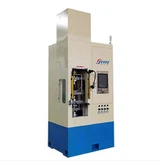
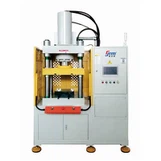
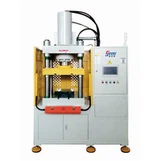
When it comes to operating a small hydraulic press, safety is of paramount importance. As a reputable supplier of small hydraulic presses, we understand the critical role that safety regulations play in ensuring the well - being of operators and the longevity of the equipment. In this blog, we will delve into the essential safety regulations for using a small hydraulic press.
Pre - operation Safety Checks
Before starting any work with a small hydraulic press, a series of pre - operation safety checks must be carried out. First and foremost, visually inspect the press for any signs of damage, such as cracks in the frame, leaks in the hydraulic hoses, or loose fittings. A damaged hydraulic hose can lead to a sudden loss of pressure, which may cause the press to malfunction and pose a serious risk to the operator.
Check the hydraulic fluid level. Insufficient hydraulic fluid can cause the pump to overheat and fail, while over - filling can lead to leaks and reduced efficiency. Refer to the manufacturer's manual for the correct fluid level and type. For example, some small hydraulic presses require a specific grade of anti - wear hydraulic oil to ensure smooth operation.
Verify that all safety guards are in place and in good condition. Safety guards are designed to prevent operators from coming into contact with moving parts, such as the ram and the hydraulic cylinders. They act as a physical barrier between the operator and potential hazards. If a safety guard is missing or damaged, it should be replaced immediately before using the press.
Operator Training
Proper operator training is a fundamental safety regulation. Operators should be thoroughly trained on how to use the small hydraulic press safely. This includes understanding the control panel, the functions of different buttons and levers, and how to start and stop the press correctly.
Training should also cover emergency stop procedures. In case of an emergency, operators need to know exactly where the emergency stop button is located and how to use it. The emergency stop button should be easily accessible from the operator's position at all times.
Moreover, operators should be educated about the maximum capacity of the press. Exceeding the rated capacity can cause the press to fail catastrophically, leading to serious injuries. For instance, if you are using a 20 Ton Benchtop Press, you must ensure that the load you are applying does not exceed 20 tons.
Workplace Safety
The workplace where the small hydraulic press is located also needs to meet certain safety standards. The area should be well - lit to ensure that operators can clearly see what they are doing. Poor lighting can lead to mistakes and accidents.
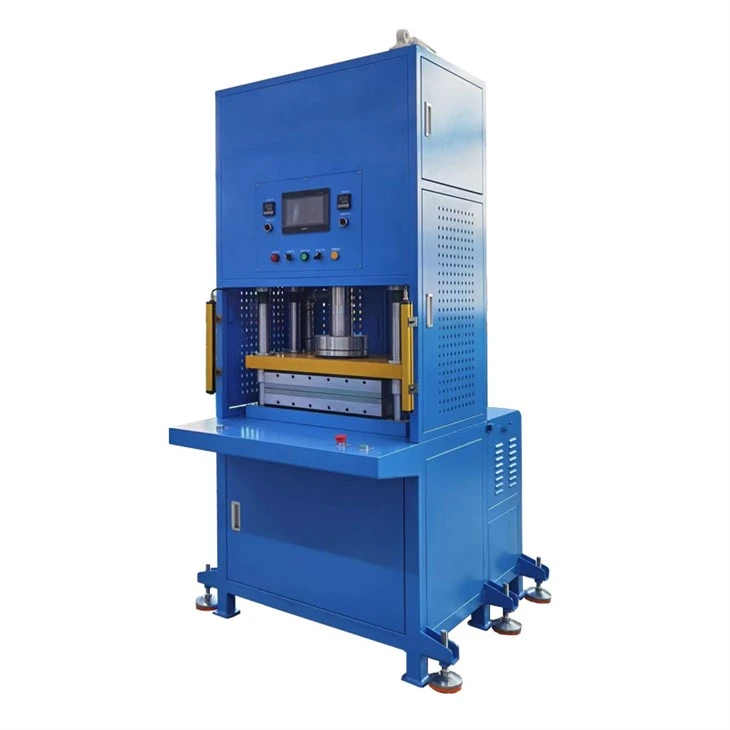

The floor should be clean and dry to prevent slips, trips, and falls. Any spills of hydraulic fluid or other substances should be cleaned up immediately. Additionally, the workspace should be free of clutter. Tools and materials should be stored in an organized manner to avoid obstructing the operator's movement.
There should be adequate ventilation in the area. Hydraulic presses generate heat during operation, and in some cases, hydraulic fluid may release fumes. Good ventilation helps to remove these fumes and maintain a safe working environment.
During Operation Safety
During the operation of the small hydraulic press, operators should follow several safety rules. Always wear appropriate personal protective equipment (PPE), such as safety glasses, gloves, and steel - toed boots. Safety glasses protect the eyes from flying debris, while gloves provide a better grip on the workpiece and protect the hands from cuts and abrasions. Steel - toed boots safeguard the feet from heavy objects that may accidentally fall.
Keep hands and other body parts clear of the pressing area. Never reach into the area between the ram and the die while the press is in operation. Use appropriate tools, such as tongs or grippers, to handle the workpiece.
Monitor the operation of the press closely. Listen for any unusual noises, such as rattling or grinding, which may indicate a problem with the press. If any abnormal conditions are detected, stop the press immediately and perform a thorough inspection.
Maintenance and Inspection
Regular maintenance and inspection are crucial safety regulations for small hydraulic presses. The press should be inspected and maintained according to the manufacturer's recommended schedule. This includes checking the hydraulic system for leaks, replacing worn - out seals, and lubricating moving parts.
The hydraulic pump should be inspected for proper operation. A malfunctioning pump can cause inconsistent pressure, which may affect the quality of the pressing operation and pose a safety risk. The filter in the hydraulic system should also be replaced regularly to ensure clean hydraulic fluid.
For example, if you are using a 50 Ton Hydraulic Press, regular maintenance will help to ensure that it can operate safely and efficiently at its maximum capacity.
Handling and Storage of Workpieces
Proper handling and storage of workpieces are also important safety considerations. Workpieces should be stored in a stable and secure manner to prevent them from falling or rolling. When loading and unloading workpieces onto the press, use appropriate lifting equipment, such as hoists or forklifts, if necessary.
Ensure that the workpiece is properly centered on the press bed. An off - center workpiece can cause uneven pressure distribution, which may lead to the press malfunctioning or the workpiece being damaged.
Safety for Different Types of Small Hydraulic Presses
Different types of small hydraulic presses may have specific safety requirements. For example, a Portable Hydraulic Bushing Press is designed for specific applications, such as removing and installing bushings. Operators using this type of press should be trained on its unique features and safety procedures.
Some portable presses may be more prone to tipping over if not used on a stable surface. Therefore, it is essential to ensure that the press is placed on a level and sturdy platform before operation.
Contact for Purchase and Consultation
If you are in the market for a small hydraulic press or have any questions regarding safety regulations and the operation of these machines, we are here to help. Our team of experts can provide you with detailed information about our products and offer guidance on how to use them safely. Whether you need a Portable Hydraulic Bushing Press, a 20 Ton Benchtop Press, or a 50 Ton Hydraulic Press, we have the right solution for you. Contact us today to start the procurement discussion and ensure that you get the best small hydraulic press for your needs.
References
- Hydraulic Press Safety Standards Handbook, Industry Safety Publications
- Manufacturer's Manuals for Small Hydraulic Presses