Hey there! As a supplier of stamping presses, I've seen firsthand the importance of having the right tooling for these machines. Stamping presses are used in a wide range of industries, from automotive to electronics, and having the proper tools can make a huge difference in the quality and efficiency of the stamping process. In this blog post, I'm going to break down the key tooling requirements for stamping presses and explain why each one matters.
Die Sets
First up, we've got die sets. These are the heart and soul of any stamping operation. A die set is essentially a set of tools that are used to shape and cut metal sheets into the desired form. It consists of an upper die and a lower die, which work together to apply pressure and create the stamped part.
The quality of the die set is crucial. A well - made die set will ensure accurate and consistent stamping results. It should be made from high - quality materials that can withstand the high pressures and repeated use that come with stamping. For example, tool steels are commonly used because they offer excellent hardness and wear resistance.
When choosing a die set, you also need to consider the size and design of the part you're stamping. The die set should be precisely engineered to match the dimensions and shape of the final product. This might involve custom - designing the die set to meet your specific requirements.
Punch and Die Inserts
Punch and die inserts are another essential part of the stamping press tooling. The punch is the part that actually makes contact with the metal sheet and punches out the shape, while the die provides the opening or cavity for the punch to enter.
These inserts need to be extremely precise. Even a small deviation in size or shape can lead to defective parts. They should also be made from materials that can handle the high forces involved in stamping. Carbide is a popular choice for punch and die inserts because it's very hard and can maintain its sharpness over a long period of time.
Regular maintenance of punch and die inserts is also important. Over time, they can wear down, which can affect the quality of the stamped parts. Sharpening or replacing the inserts when necessary will help keep your stamping operation running smoothly.
Strippers
Strippers play a vital role in the stamping process. Their main job is to remove the stamped part from the punch after the stamping operation is complete. Without a proper stripper, the part could get stuck on the punch, causing delays and potentially damaging the tooling.
There are different types of strippers, such as mechanical strippers and hydraulic strippers. Mechanical strippers are often used in simpler stamping operations, while hydraulic strippers are more suitable for high - speed and high - force applications.
The design of the stripper should be carefully considered to ensure that it can effectively remove the part without causing any damage. It should also be able to handle the production volume of your stamping operation.
Guide Pins and Bushings
Guide pins and bushings are used to align the upper and lower dies accurately. This alignment is crucial for ensuring that the stamping process is precise and that the parts are produced with the correct dimensions.
The guide pins are usually mounted on the upper die, and they fit into the bushings on the lower die. They need to be made from high - quality materials to prevent wear and ensure smooth movement. Proper lubrication of the guide pins and bushings is also necessary to reduce friction and extend their lifespan.
Lubrication Systems
Lubrication is a key factor in the performance of stamping presses. A good lubrication system helps reduce friction between the tooling and the metal sheet, which in turn reduces wear and tear on the tooling and improves the quality of the stamped parts.
There are different types of lubricants available, such as oil - based lubricants and water - based lubricants. The choice of lubricant depends on factors like the type of metal being stamped, the stamping speed, and the environmental conditions.
The lubrication system should be designed to deliver the right amount of lubricant to the right places at the right time. This might involve using spray nozzles or drip systems to apply the lubricant evenly across the tooling and the metal sheet.
Safety Equipment
Safety should always be a top priority when working with stamping presses. There are several types of safety equipment that are essential for a stamping operation.
One of the most important pieces of safety equipment is the safety guard. Safety guards are used to prevent operators from coming into contact with the moving parts of the stamping press, such as the punch and die. They should be made from strong materials and be designed to fit the specific stamping press.
Another important safety feature is the emergency stop button. This allows operators to quickly stop the press in case of an emergency. Additionally, light curtains can be used to detect when an operator's hand or body is in the danger zone and automatically stop the press.
Our Product Range
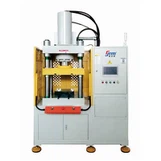
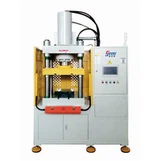
As a stamping press supplier, we offer a wide range of products to meet your tooling needs. For example, we have the Precision Hydraulic Press, which is perfect for applications that require high precision. It's designed with advanced technology to ensure accurate stamping results.
We also have the Hydraulic Press with Foot Pedal. This press offers convenient operation, allowing operators to control the stamping process with their feet, which can improve efficiency.
And if you need a press with a higher tonnage capacity, our 30 Tonne Hydraulic Press is a great option. It can handle larger and thicker metal sheets, making it suitable for heavy - duty stamping applications.
Conclusion
In conclusion, having the right tooling for stamping presses is essential for a successful stamping operation. Die sets, punch and die inserts, strippers, guide pins and bushings, lubrication systems, and safety equipment all play important roles in ensuring the quality, efficiency, and safety of the stamping process.

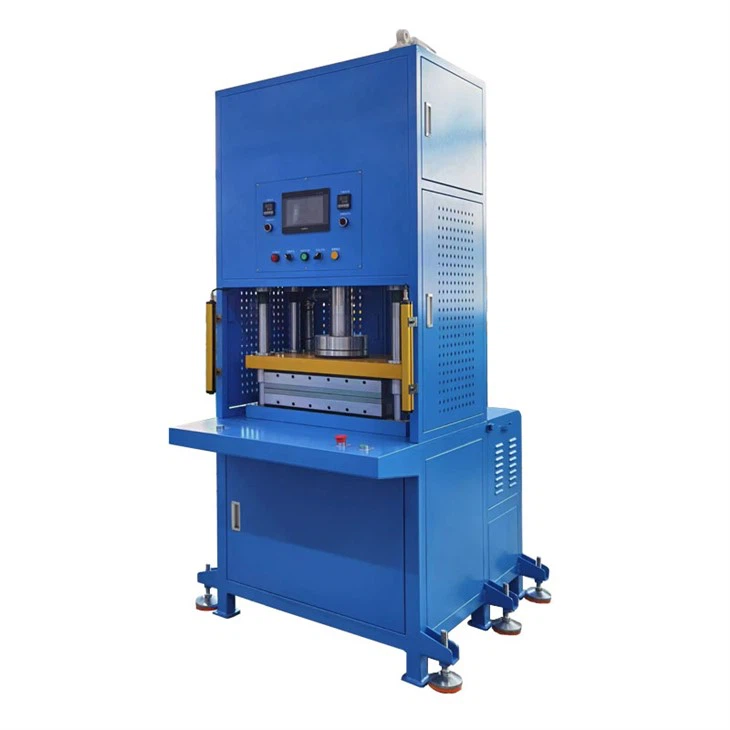
If you're in the market for stamping press tooling or need advice on which products are right for your specific needs, don't hesitate to get in touch with us. We're here to help you find the best solutions for your stamping requirements. Whether you're a small - scale manufacturer or a large industrial company, we can provide you with the high - quality tooling and support you need.
References
- "Metal Stamping Handbook" by George E. Dieter
- "Tool and Manufacturing Engineers Handbook" by Society of Manufacturing Engineers