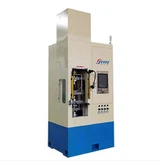
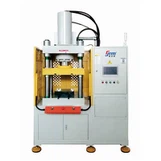
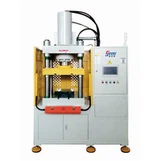
Hey there! As a supplier of Jet Hydraulic Presses, I've spent a good deal of time observing and analyzing these machines in action. One question that often comes up is, "What are the vibration characteristics of a Jet Hydraulic Press during operation?" Well, let's dive right in and take a closer look.
Basics of Jet Hydraulic Press Vibration
First off, it's important to understand that some level of vibration is normal in any machinery, and Jet Hydraulic Presses are no exception. Vibration in these presses mainly occurs due to the movement of hydraulic cylinders, the impact of the ram on the workpiece, and the operation of the power unit.
The hydraulic cylinders are the heart of the press. When they extend and retract, they create a certain amount of mechanical movement, which can translate into vibration. This movement is driven by the flow of hydraulic fluid under pressure. Any irregularities in the fluid flow, such as sudden changes in pressure or blockages, can cause variations in the cylinder's movement and result in increased vibration.
The impact of the ram on the workpiece is another significant factor. When the ram comes down onto the material being pressed, it creates a shockwave. The magnitude of this shockwave depends on several factors, including the force of the press, the hardness of the workpiece, and the speed at which the ram descends. A harder workpiece or a higher pressing force can lead to more intense vibrations.
The power unit, which includes the motor and the pump, also contributes to vibration. The motor rotates at a high speed to drive the pump, which pressurizes the hydraulic fluid. Any imbalance in the motor or the pump, or issues with the coupling between them, can cause vibrations that are transmitted throughout the press.
Frequency and Amplitude of Vibration
The vibration of a Jet Hydraulic Press can be described in terms of frequency and amplitude. Frequency refers to the number of oscillations per unit of time, usually measured in Hertz (Hz). Amplitude, on the other hand, is the maximum displacement of the vibrating object from its equilibrium position.
In a Jet Hydraulic Press, the frequency of vibration can vary depending on the operating conditions. For example, during the initial descent of the ram, the frequency might be relatively low. As the ram approaches the workpiece and the pressing force increases, the frequency can rise. Different components of the press can also have their own characteristic frequencies. The hydraulic cylinders might vibrate at a certain frequency, while the power unit could have a different frequency range.
The amplitude of vibration is closely related to the force being applied and the stiffness of the press structure. A higher pressing force generally leads to a larger amplitude of vibration. If the press structure is not stiff enough, it can amplify the vibrations, resulting in a more noticeable and potentially harmful level of shaking.
Effects of Vibration on the Press and the Workpiece
Excessive vibration can have several negative effects on both the Jet Hydraulic Press and the workpiece. For the press itself, it can cause wear and tear on the components. The constant shaking can loosen bolts and connections, leading to potential mechanical failures. It can also damage the hydraulic seals, causing leaks and reducing the efficiency of the press.
On the workpiece, vibration can affect the quality of the finished product. If the vibrations are too strong, they can cause uneven pressing, resulting in a workpiece with inconsistent dimensions or surface finish. In some cases, it can even lead to cracks or other defects in the material.
Controlling Vibration in Jet Hydraulic Presses
As a supplier, we're always looking for ways to minimize the vibration in our Jet Hydraulic Presses. One approach is to optimize the design of the press structure. A stiffer and more rigid frame can help to dampen the vibrations and prevent them from spreading throughout the machine. We use high - quality materials and advanced manufacturing techniques to ensure that our presses have a robust structure.
Another important aspect is the hydraulic system. We carefully select the hydraulic components, such as the cylinders, pumps, and valves, to ensure smooth and stable operation. Regular maintenance of the hydraulic system, including checking the fluid level, filtering the fluid, and inspecting the seals, can also help to reduce vibration.
Proper installation of the press is also crucial. The press should be installed on a level and stable surface. Using vibration - isolating pads or mounts can further reduce the transmission of vibrations to the surrounding environment.
Real - World Examples and Case Studies
Let me share a real - world example. One of our customers was using a Jet Hydraulic Press to manufacture metal parts. They noticed that the press was vibrating more than usual, and the quality of the parts was starting to suffer. After a thorough inspection, we found that the hydraulic fluid was contaminated, which was causing irregularities in the fluid flow and increased vibration. We replaced the fluid, cleaned the hydraulic system, and adjusted the pressure settings. As a result, the vibration was significantly reduced, and the quality of the parts improved.
Another case involved a customer who had installed the press on an uneven surface. The uneven footing was causing the press to vibrate excessively. We helped them to level the press and install vibration - isolating pads. This simple fix made a big difference in reducing the vibration and improving the overall performance of the press.

Related Products
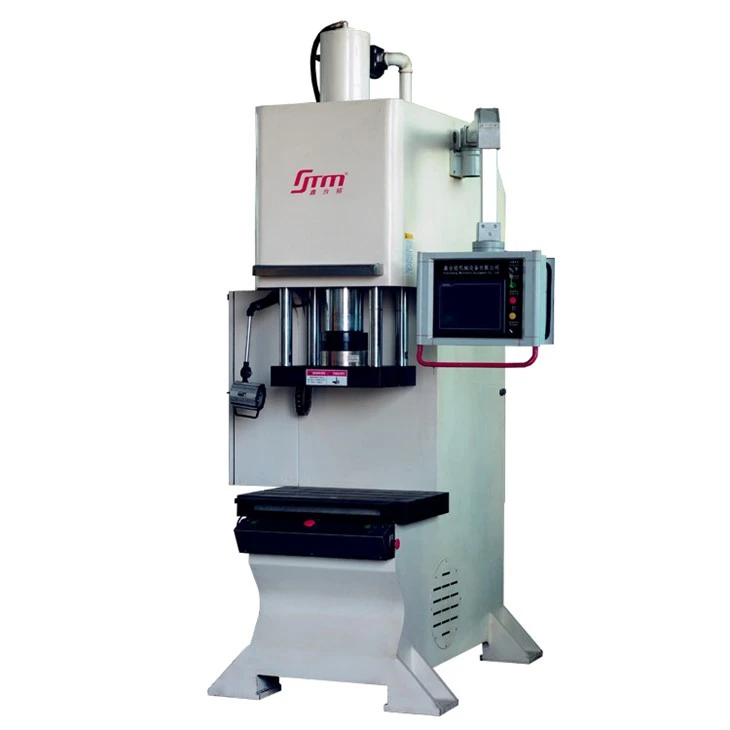
If you're in the market for a hydraulic press, we have a range of products to suit your needs. Check out our Hydraulic Press with Foot Pedal, which offers convenient operation. For heavier - duty applications, our 55 Ton Hydraulic Press provides the power you need. And if you're looking for a more compact option, our 20 Ton H Frame Press is a great choice.
Conclusion
Understanding the vibration characteristics of a Jet Hydraulic Press is essential for ensuring its proper operation and the quality of the workpieces. While some level of vibration is normal, excessive vibration can lead to problems for both the press and the product. By optimizing the design, maintaining the hydraulic system, and ensuring proper installation, we can minimize the vibration and improve the performance of our presses.
If you're interested in learning more about our Jet Hydraulic Presses or have any questions about vibration control, feel free to reach out. We're here to help you find the right solution for your pressing needs. Whether you're a small - scale workshop or a large - scale manufacturing facility, we have the expertise and products to meet your requirements. So, don't hesitate to get in touch and start a conversation about your next hydraulic press purchase.
References
- "Hydraulic Machinery Handbook" - A comprehensive guide on the operation and maintenance of hydraulic equipment.
- "Mechanical Vibration Analysis" - A textbook that provides in - depth knowledge on the principles of vibration and its effects on machinery.