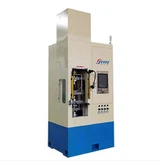
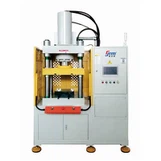
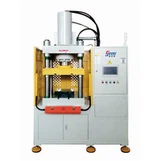
Vibration levels in hydraulic line presses during operation are crucial factors that can significantly influence the performance, safety, and longevity of the equipment. As a trusted supplier of hydraulic line presses, we understand the importance of these vibration levels and their implications for our customers. In this blog, we will delve into the various aspects of vibration levels in hydraulic line presses, including what causes them, how they are measured, and why they matter.
What Causes Vibration in Hydraulic Line Presses?
There are several factors that can contribute to the vibration of hydraulic line presses during operation. One of the primary causes is the flow of hydraulic fluid. When the fluid moves through the hydraulic lines, it can create pressure fluctuations that result in vibrations. These fluctuations can be caused by changes in the flow rate, such as when the press is starting up, shutting down, or changing the pressure settings.
Another common cause of vibration is the mechanical movement of the press components. As the press operates, the pistons, cylinders, and other moving parts can generate vibrations. These vibrations can be exacerbated if the components are not properly aligned, lubricated, or maintained. For example, worn bearings or loose bolts can cause increased vibration and may lead to premature wear and failure of the press.
The design and construction of the hydraulic line press can also play a role in its vibration levels. A poorly designed press may have inadequate structural support or damping mechanisms, which can allow vibrations to propagate throughout the machine. Additionally, the materials used in the construction of the press can affect its vibration characteristics. For instance, a press made from lightweight materials may be more prone to vibration than one made from heavier, more rigid materials.
Measuring Vibration Levels
To accurately assess the vibration levels of a hydraulic line press, specialized equipment is required. One of the most commonly used tools for measuring vibration is an accelerometer. An accelerometer is a device that measures the acceleration of an object, which can be used to calculate the vibration amplitude and frequency.
When measuring the vibration levels of a hydraulic line press, it is important to take measurements at multiple points on the machine. This can help to identify the source of the vibration and determine if there are any areas of concern. For example, measurements can be taken at the hydraulic pump, the cylinders, and the frame of the press.
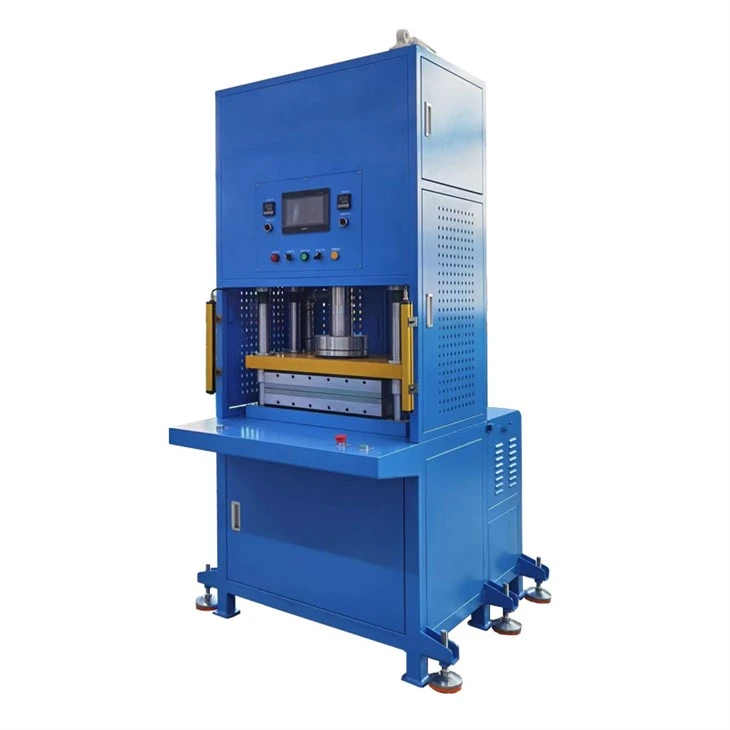
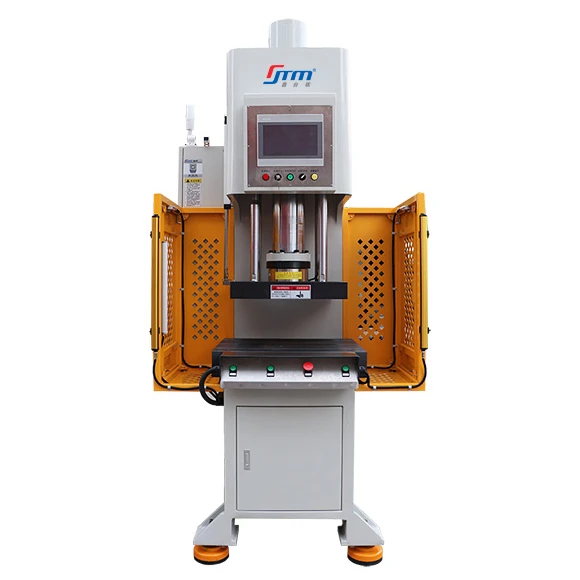
In addition to using an accelerometer, other techniques can be used to measure vibration levels. These include laser Doppler vibrometry, which uses a laser to measure the vibration of a surface, and strain gauges, which measure the deformation of a material due to vibration.
Why Vibration Levels Matter
The vibration levels of a hydraulic line press can have several important implications for its performance, safety, and longevity. Excessive vibration can cause a number of problems, including:
- Reduced accuracy and precision: Vibration can cause the press to move or shift during operation, which can affect the accuracy and precision of the pressing process. This can result in defective parts or inconsistent quality.
- Increased wear and tear: High vibration levels can cause increased wear and tear on the press components, such as the pistons, cylinders, and seals. This can lead to premature failure of the press and may require costly repairs or replacement.
- Safety hazards: Excessive vibration can also pose a safety hazard to operators. It can cause the press to become unstable or to produce loud noises, which can be a distraction or a source of discomfort. Additionally, vibration can cause loose parts to become dislodged, which can pose a risk of injury.
- Noise pollution: Vibration can generate noise, which can be a nuisance to operators and nearby workers. Excessive noise levels can also cause hearing damage over time.
By monitoring and controlling the vibration levels of a hydraulic line press, these problems can be minimized or avoided. This can help to ensure the reliable operation of the press, improve the quality of the parts produced, and enhance the safety and comfort of the operators.
Controlling Vibration Levels
There are several strategies that can be used to control the vibration levels of a hydraulic line press. These include:
- Proper installation and alignment: Ensuring that the press is properly installed and aligned is essential for minimizing vibration. This includes making sure that the press is level, that the hydraulic lines are properly connected and secured, and that the components are properly lubricated.
- Regular maintenance: Regular maintenance is also important for controlling vibration levels. This includes inspecting the press for signs of wear and tear, replacing worn components, and tightening loose bolts and connections.
- Use of vibration damping materials: Vibration damping materials can be used to reduce the transmission of vibrations from the press to the surrounding environment. These materials can be applied to the press frame, the hydraulic lines, or other components to absorb and dissipate the energy of the vibrations.
- Optimized hydraulic system design: The design of the hydraulic system can also have a significant impact on the vibration levels of the press. By optimizing the flow rate, pressure, and other parameters of the hydraulic system, the pressure fluctuations and vibrations can be minimized.
Our Hydraulic Line Presses
As a leading supplier of hydraulic line presses, we offer a wide range of products that are designed to meet the needs of various industries. Our presses are built with high-quality materials and advanced technology to ensure reliable performance and low vibration levels.
We offer Precision Hydraulic Press that are designed for applications that require high accuracy and precision. These presses are equipped with advanced control systems and sensors to ensure consistent and repeatable results.
Our Air Operated Hydraulic Press are ideal for applications where a compact and portable press is required. These presses are powered by compressed air and are easy to operate and maintain.
We also offer Portable Hydraulic Bushing Press that are designed for use in the field or in remote locations. These presses are lightweight and easy to transport, making them a convenient solution for a variety of applications.
Conclusion
In conclusion, the vibration levels of a hydraulic line press during operation are an important consideration that can have a significant impact on the performance, safety, and longevity of the equipment. By understanding the causes of vibration, measuring the vibration levels, and implementing strategies to control them, the problems associated with excessive vibration can be minimized or avoided.
As a trusted supplier of hydraulic line presses, we are committed to providing our customers with high-quality products that are designed to meet their needs. Our presses are built with the latest technology and materials to ensure reliable performance and low vibration levels. If you are in the market for a hydraulic line press, we encourage you to contact us to discuss your requirements and learn more about our products. We look forward to the opportunity to work with you and help you find the perfect solution for your application.
References
- "Hydraulic Systems Handbook" by E. O. Doebelin
- "Vibration Analysis for Rotating Machinery" by Robert B. Randall
- "Machine Design: An Integrated Approach" by Robert L. Norton