Hey there! As a supplier of Precision Hydraulic Presses, I've got a ton to share about the control system of these awesome machines. So, let's dive right in and explore what makes the control system of a precision hydraulic press tick.
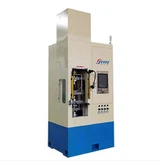
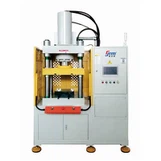
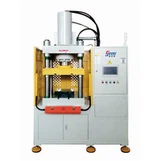
First off, what exactly is a precision hydraulic press? Well, it's a super - precise machine used in a whole bunch of industries for tasks like forming, punching, and pressing. You can check out more about Precision Hydraulic Press on our website. These presses are known for their ability to deliver accurate and consistent force, and a big part of that is thanks to their control systems.
The control system of a precision hydraulic press is like the brain of the machine. It's responsible for making sure everything runs smoothly and accurately. There are a few key components that make up this control system.
One of the most important parts is the hydraulic pump. This pump is what creates the pressure needed for the press to do its job. It takes in hydraulic fluid and pressurizes it, sending it through the system to the cylinders. The control system monitors the pressure of the fluid coming from the pump. If the pressure is too high or too low, it can adjust the pump's operation to maintain the right level. For example, if you're using a 55 Ton Hydraulic Press for a heavy - duty stamping job, the control system will ensure that the pump provides just the right amount of pressure to get the job done precisely.
Next up, we have the valves. Valves are like the traffic cops of the hydraulic system. They control the flow of the hydraulic fluid to different parts of the press. There are different types of valves, such as directional control valves and pressure control valves. Directional control valves decide where the fluid goes, whether it's to extend or retract the cylinders. Pressure control valves, on the other hand, regulate the pressure of the fluid in different parts of the system. The control system tells these valves when to open and close, based on the specific requirements of the task at hand.
The cylinders are another crucial part of the press. They're what actually apply the force to the workpiece. The control system manages the movement of the cylinders. It can control the speed at which the cylinders extend and retract, as well as the position of the ram. This is super important for precision work. For instance, in a 20 Ton Electric Hydraulic Press used for precision assembly, the control system can make sure that the ram moves at a slow and steady pace to avoid damaging the delicate components.


Now, let's talk about the sensors. Sensors are all over the place in a precision hydraulic press. They collect data about different aspects of the machine's operation. There are pressure sensors that measure the pressure of the hydraulic fluid, position sensors that track the location of the cylinders, and temperature sensors that monitor the temperature of the fluid. The control system uses this data to make real - time adjustments. If the temperature of the hydraulic fluid gets too high, the control system can trigger a cooling mechanism to prevent damage to the system.
The control system also has a user interface. This is how operators interact with the press. It could be a simple control panel with buttons and switches, or a more advanced touch - screen interface. Through the user interface, operators can set the parameters for the press, such as the force, speed, and stroke length. They can also monitor the status of the machine, like the pressure levels and the position of the cylinders.
One of the great things about modern precision hydraulic press control systems is their programmability. You can program the press to perform a series of complex operations automatically. This is really useful for mass production. For example, if you're making a large number of identical parts, you can program the press to repeat the same operation over and over again with high precision.
In addition to programmability, many control systems now offer connectivity features. They can be connected to a network, allowing operators to monitor and control the press remotely. This is especially handy for large factories where multiple presses are in operation. You can keep an eye on all the presses from a central location, and even make adjustments if needed.
Another aspect of the control system is safety. Safety is a top priority in any industrial setting, and precision hydraulic presses are no exception. The control system includes safety features like emergency stop buttons and safety interlocks. If something goes wrong, like a sudden pressure spike or a malfunction in the cylinders, the control system can immediately stop the press to prevent accidents.
Maintenance is also an important part of keeping the control system and the press in good working condition. The control system can provide diagnostic information about the machine. It can detect potential problems early on, like a leak in the hydraulic system or a worn - out valve. This allows for timely maintenance, which can prevent costly breakdowns and downtime.
So, as you can see, the control system of a precision hydraulic press is a complex and sophisticated piece of technology. It plays a vital role in ensuring the accuracy, efficiency, and safety of the press. Whether you're using a small 20 Ton Electric Hydraulic Press for precision work or a large 55 Ton Hydraulic Press for heavy - duty applications, the control system is what makes it all possible.
If you're in the market for a precision hydraulic press, or if you have any questions about the control system or our products, don't hesitate to reach out. We're here to help you find the right press for your needs and make sure you get the most out of it. Whether you're a small - scale manufacturer or a large industrial company, we've got the expertise and the products to meet your requirements.
References:
- Industry knowledge and experience in the field of precision hydraulic presses.
- Technical documentation from hydraulic press manufacturers.