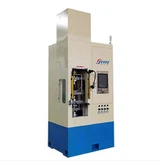
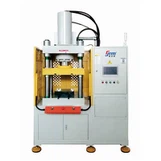
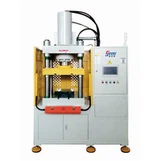
Hey there! As a supplier of Servo Hydraulic Press Machines, I've seen firsthand how ambient temperature can throw a wrench into the smooth operation of these bad boys. So, let's dive right in and chat about what kind of influence the ambient temperature has on the operation of a servo hydraulic press machine.
How Temperature Affects Hydraulic Fluid
First off, let's talk about the lifeblood of a servo hydraulic press machine: the hydraulic fluid. This fluid is responsible for transferring power within the system, and its performance is highly sensitive to temperature.
When the ambient temperature is too low, the hydraulic fluid becomes more viscous. Think of it like honey in the fridge—it gets thick and doesn't flow as easily. This increased viscosity can lead to a whole host of problems. For starters, it puts extra strain on the hydraulic pump. The pump has to work harder to push the thick fluid through the system, which can cause it to overheat and wear out faster.
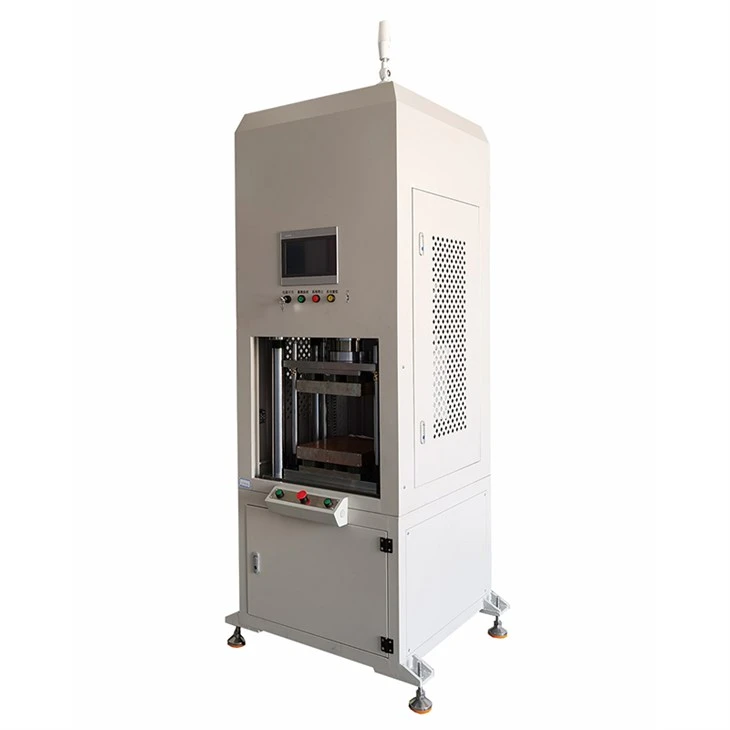

Moreover, the sluggish flow of the thick fluid can result in slower response times for the press machine. You know how frustrating it is when your computer takes forever to load a page? Well, it's the same deal here. The press might not move as quickly as it should, which can really slow down your production line.
On the flip side, when the ambient temperature is too high, the hydraulic fluid thins out. It's like that honey when it's sitting out on a hot summer day—it becomes runny. This decrease in viscosity can lead to leaks in the hydraulic system. The seals and gaskets that are designed to keep the fluid in place might not be able to handle the thinner fluid, and you could end up with fluid dripping everywhere.
Not only is this a mess to clean up, but it also means you're losing precious hydraulic fluid. And once the fluid level drops too low, the press machine won't be able to function properly. Plus, high temperatures can cause the hydraulic fluid to break down chemically over time. This can lead to the formation of sludge and varnish, which can clog up the valves and other components of the system.
Impact on Electrical Components
Now, let's shift our focus to the electrical components of the servo hydraulic press machine. These components are also quite sensitive to temperature changes.
In cold temperatures, the electrical resistance of wires and other conductive materials increases. This means that more energy is needed to push the electrical current through the system. As a result, the electrical components have to work harder, which can lead to overheating. And we all know that overheating is never a good thing for electronics. It can cause components to fail prematurely, leading to costly repairs and downtime.
On the other hand, high temperatures can also be a problem for electrical components. Heat can cause the insulation on wires to break down, which can lead to short circuits. Short circuits are not only dangerous but can also cause significant damage to the press machine. Additionally, high temperatures can affect the performance of sensors and controllers. These components rely on precise electrical signals to function correctly, and excessive heat can disrupt these signals, leading to inaccurate readings and improper operation of the press.
Effects on Mechanical Parts
The mechanical parts of a servo hydraulic press machine are also affected by ambient temperature.
In cold conditions, metal contracts. This can cause parts to fit together more tightly than they should, which can lead to increased friction. The increased friction can wear down the parts faster, reducing their lifespan. For example, the bearings in the press machine might experience more stress, leading to premature failure.
In hot weather, metal expands. This can cause clearance issues between parts. If the expansion is not accounted for, the parts might rub against each other, causing damage. For instance, the pistons in the hydraulic cylinders might expand and not fit properly, which can lead to leaks and reduced performance.
Performance and Accuracy
The overall performance and accuracy of a servo hydraulic press machine are directly influenced by ambient temperature. When the temperature is outside the optimal range, the press might not be able to deliver the same level of precision and consistency.
As we mentioned earlier, changes in temperature can affect the flow of hydraulic fluid and the performance of electrical and mechanical components. This can lead to variations in the force and speed of the press. For example, if you're using the press to form a specific part, the part might come out slightly different from the desired specifications due to temperature-related issues.
This lack of accuracy can be a major problem, especially in industries where precision is crucial, such as aerospace and automotive manufacturing. You don't want to end up with a batch of defective parts because of temperature-induced performance issues.
Strategies to Mitigate Temperature Effects
So, what can you do to minimize the impact of ambient temperature on your servo hydraulic press machine?
First, you can install temperature control systems. These systems can help maintain a stable temperature within the hydraulic fluid and the electrical components. For example, you can use a cooling system to keep the hydraulic fluid from overheating in hot weather or a heating system to prevent it from getting too thick in cold conditions.
Regular maintenance is also key. Make sure to check the hydraulic fluid levels and quality regularly. Replace the fluid as recommended by the manufacturer to prevent chemical breakdown. Inspect the seals and gaskets for signs of wear and replace them if necessary.
You should also keep an eye on the electrical components. Check for loose connections and signs of overheating. Clean the components regularly to prevent the buildup of dust and debris, which can exacerbate temperature-related issues.
Conclusion
In conclusion, ambient temperature has a significant influence on the operation of a servo hydraulic press machine. From affecting the hydraulic fluid to impacting the electrical and mechanical components, temperature changes can cause a variety of problems that can reduce the performance, accuracy, and lifespan of the press.
But don't worry! By taking the right precautions and implementing proper maintenance strategies, you can minimize these effects and keep your press running smoothly.
If you're in the market for a high-quality Servo Hydraulic Press Machine, we've got you covered. Our machines are designed to withstand a wide range of ambient temperatures and deliver top-notch performance. We also offer H Frame Electric Servo Press and Hydraulic Servo Press options to meet your specific needs.
If you have any questions or are interested in a purchase, feel free to reach out. We're here to help you find the perfect press machine for your business.
References
- "Hydraulic Systems: Design, Installation, and Maintenance" by Rexroth Bosch Group
- "Electrical Engineering Handbook" by Richard C. Dorf
- "Mechanical Design and Manufacturing" by Robert L. Norton