The learning curve for using a 20 Ton Floor Press can vary significantly depending on several factors, including an individual's prior experience with industrial equipment, mechanical aptitude, and the specific tasks they intend to perform with the press. As a supplier of the 20 Ton Floor Press, I have witnessed firsthand how different users approach the learning process, and I'm excited to share some insights to help you navigate this journey more effectively.
Understanding the Basics: Initial Familiarization
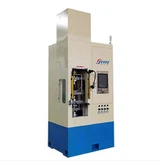
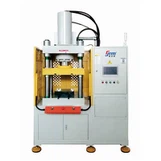
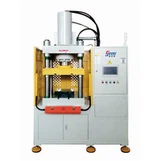
When you first encounter a 20 Ton Floor Press, the initial step is to familiarize yourself with its basic components and functions. This large - scale piece of equipment is designed for heavy - duty pressing tasks, such as metal forming, bearing installation, and component assembly. The press typically consists of a sturdy frame, a hydraulic cylinder, a control panel, and a worktable.
The frame provides the structural support necessary to withstand the high forces generated during operation. It is usually made of high - strength steel to ensure durability and stability. The hydraulic cylinder is the heart of the press, responsible for generating the force required to perform the pressing operations. By controlling the flow of hydraulic fluid into the cylinder, you can adjust the force applied to the workpiece.
The control panel is where you interact with the press. It allows you to start and stop the machine, adjust the pressure settings, and control the speed of the pressing action. For those with no prior experience with hydraulic presses, this control panel can seem a bit intimidating at first. However, most modern 20 Ton Floor Presses come with user - friendly interfaces that are designed to simplify the operation.
During the initial familiarization phase, it is crucial to read the user manual thoroughly. The manual provides detailed information about the press's specifications, safety procedures, and operating instructions. It will also guide you through the process of setting up the press for the first time, including connecting the power supply, filling the hydraulic reservoir, and performing basic maintenance tasks.
Safety First: Learning the Precautions
Safety is of utmost importance when using a 20 Ton Floor Press. These machines generate extremely high forces, and improper use can lead to serious injuries or even fatalities. Therefore, learning the safety precautions is an essential part of the learning curve.
Before operating the press, you should always wear appropriate personal protective equipment (PPE), such as safety glasses, gloves, and steel - toed boots. You should also ensure that the work area is clean and free of any obstacles that could interfere with the operation of the press.
Another critical safety measure is to perform a pre - operation inspection of the press. Check for any signs of damage or wear on the components, such as leaks in the hydraulic system, loose bolts, or worn - out seals. If you notice any issues, do not operate the press until they have been resolved.
When loading and unloading workpieces, make sure they are properly positioned on the worktable. Improperly placed workpieces can cause uneven pressure distribution, which may lead to damage to the press or the workpiece itself. Additionally, never reach into the press while it is in operation. Always use the appropriate tools to handle the workpieces.
Mastering the Operations: Skill Development
Once you have familiarized yourself with the basics and safety precautions, the next step is to start mastering the actual operations of the 20 Ton Floor Press. This involves learning how to set the correct pressure and speed for different types of pressing tasks.
The pressure setting is determined by the material and thickness of the workpiece. For example, when pressing a thin sheet of aluminum, you will need a lower pressure compared to pressing a thick piece of steel. Most presses allow you to adjust the pressure using a pressure gauge or a digital control panel. Experimenting with different pressure settings on scrap materials can help you gain a better understanding of how the press behaves under different conditions.
The speed of the pressing action is another important factor to consider. A slower speed may be required for more precise operations, such as forming complex shapes or installing delicate components. On the other hand, a faster speed can be used for simple pressing tasks where precision is not as critical.
As you gain more experience, you will also learn how to troubleshoot common problems that may arise during operation. For example, if the press is not generating enough force, it could be due to a low hydraulic fluid level, a clogged filter, or a malfunctioning pump. By understanding the basic principles of the hydraulic system, you can diagnose and fix these issues quickly.
Advanced Applications: Expanding Your Capabilities
After mastering the basic operations, you can start exploring the advanced applications of the 20 Ton Floor Press. This press is a versatile tool that can be used for a wide range of tasks beyond simple pressing.
For example, with the right tooling, you can use the press for punching holes in metal sheets, bending metal bars, or even forging small parts. The ability to customize the press with different tooling options allows you to adapt it to your specific manufacturing needs.
If you are interested in more specialized applications, you may want to consider a Customized Hydraulic Press. Our customization services can help you tailor the press to meet your exact requirements, whether it's a specific size, capacity, or functionality.
Comparing with Other Presses: Understanding the Advantages
It's also beneficial to compare the 20 Ton Floor Press with other types of presses in the market. For instance, a 10 Ton Electric Hydraulic Press has a lower capacity and may be more suitable for smaller - scale operations or for tasks that require less force.
The 20 Ton Floor Press, on the other hand, offers greater power and stability, making it ideal for heavy - duty applications. It can handle larger workpieces and generate higher forces, which is essential for many industrial manufacturing processes.
The Learning Curve Timeline
The learning curve for using a 20 Ton Floor Press can be divided into several stages. In the first week, you can expect to become familiar with the basic components, safety procedures, and the control panel. This is the time when you will spend a lot of time reading the manual and getting a feel for the machine.
After the first week, you can start practicing basic pressing operations on scrap materials. Over the next few weeks, you will gradually improve your skills in adjusting the pressure and speed settings, and you will become more comfortable troubleshooting common problems.
Within a few months, you should be able to perform a wide range of pressing tasks with confidence. And if you decide to explore advanced applications and customization options, the learning process will continue as you discover new ways to use the press to its full potential.


Contact Us for More Information
If you are interested in purchasing a 20 Ton Floor Press or have any questions about the learning process, we are here to help. Our team of experts can provide you with detailed information, training resources, and support to ensure that you get the most out of your press. Whether you are a small - scale manufacturer or a large industrial enterprise, our press can be a valuable addition to your production line. Contact us today to start a discussion about your specific needs and how we can assist you in your manufacturing journey.
References
- Manufacturer's user manual for the 20 Ton Floor Press
- Industry standards and guidelines for hydraulic press operation
- Technical literature on hydraulic systems and their applications