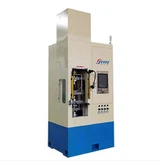
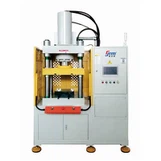
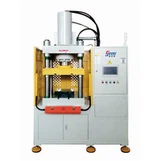
As a supplier of hydraulic line presses, one of the most common questions I encounter is about the maximum pressure these machines can reach. Understanding this parameter is crucial for anyone in industries that rely on hydraulic systems, such as manufacturing, construction, and automotive repair. In this blog post, I'll delve into the factors that determine the maximum pressure of a hydraulic line press and explore some of the high - pressure options available in the market.
Understanding Hydraulic Pressure Basics
Before we discuss the maximum pressure, it's essential to understand the basic principles of hydraulic pressure. Hydraulic systems work on Pascal's law, which states that when pressure is applied to a confined fluid, the pressure change occurs throughout the entire fluid. In a hydraulic line press, a pump forces hydraulic fluid into a cylinder, creating pressure that is then used to perform work, such as pressing, bending, or crimping.
The pressure in a hydraulic system is measured in pounds per square inch (psi) or pascals (Pa). The maximum pressure a hydraulic line press can reach is determined by several factors, including the design of the pump, the strength of the materials used in the construction of the press, and the safety mechanisms in place.
Factors Affecting Maximum Pressure
Pump Design
The pump is the heart of a hydraulic system, and its design plays a significant role in determining the maximum pressure. There are different types of pumps used in hydraulic line presses, such as gear pumps, vane pumps, and piston pumps. Piston pumps are generally capable of generating higher pressures compared to gear and vane pumps. This is because piston pumps use reciprocating pistons to displace fluid, allowing for more precise control and higher pressure generation.
For example, a well - designed piston pump in a high - end hydraulic line press can generate pressures up to 10,000 psi or even higher. On the other hand, gear pumps are more commonly used in applications where lower pressures are sufficient, typically ranging from 1,500 to 3,000 psi.
Material Strength
The materials used in the construction of the hydraulic line press must be able to withstand the high pressures generated by the system. Components such as cylinders, pipes, and fittings are typically made from high - strength metals like steel. The quality and thickness of these materials determine how much pressure they can handle without failing.
Manufacturers use advanced metallurgical techniques to ensure that the materials can withstand the stresses associated with high - pressure operation. For instance, cylinders are often made from forged steel, which has excellent strength and durability properties. If the materials are not strong enough, there is a risk of leaks, bursts, or other safety hazards.
Safety Mechanisms
Safety is of utmost importance in any hydraulic system. Hydraulic line presses are equipped with various safety mechanisms to prevent over - pressurization. Relief valves are one of the most common safety devices used. These valves are designed to open when the pressure in the system exceeds a pre - set limit, allowing excess fluid to escape and preventing damage to the equipment.
In addition to relief valves, some hydraulic line presses also have pressure gauges and sensors that monitor the pressure in real - time. If the pressure approaches the maximum limit, the system can automatically shut down or take other corrective actions.
High - Pressure Hydraulic Line Press Options
At our company, we offer a range of hydraulic line presses with different maximum pressure ratings to meet the diverse needs of our customers.
One of our popular products is the Electric Hydraulic Press for Blacksmithing. This press is designed for heavy - duty applications in the blacksmithing industry. It features a powerful electric motor and a high - performance piston pump, allowing it to generate pressures of up to 5,000 psi. The robust construction of the press, with its thick steel frame and reinforced cylinders, ensures that it can handle the high pressures required for tasks such as forging and shaping metal.
Another option is the Hydraulic Press with Foot Pedal. This press is ideal for applications where precise control is needed. The foot pedal allows the operator to control the pressure and the movement of the press easily. It has a maximum pressure rating of 3,500 psi, making it suitable for a variety of light - to medium - duty tasks, such as crimping and pressing small components.
For customers who require even higher pressures, we offer the 30 Tonne Hydraulic Press. As the name suggests, this press has a large capacity and can generate extremely high pressures. With a maximum pressure of up to 10,000 psi, it is suitable for heavy - industrial applications, such as large - scale manufacturing and construction projects.

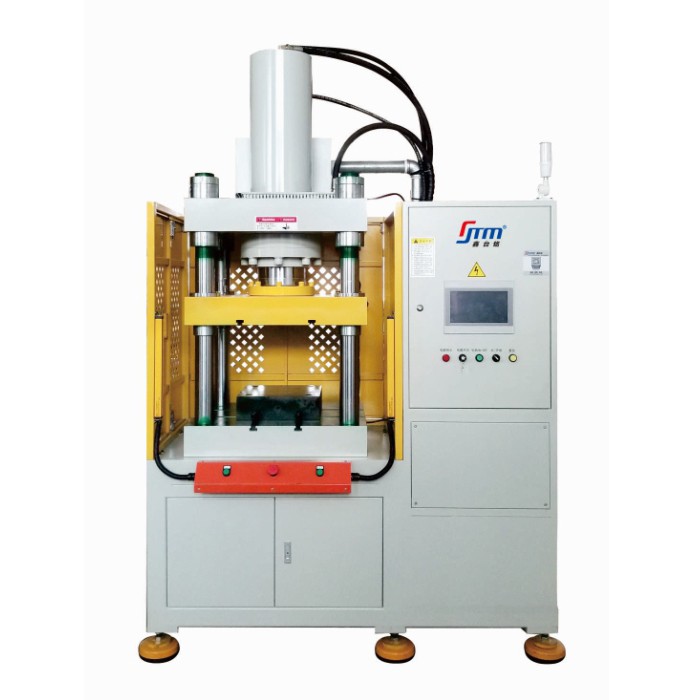
Choosing the Right Hydraulic Line Press
When choosing a hydraulic line press, it's important to consider the specific requirements of your application. If you only need to perform light - duty tasks, a press with a lower maximum pressure rating may be sufficient. However, for heavy - duty applications, you'll need a press that can generate higher pressures.
You should also consider other factors such as the size and capacity of the press, the ease of use, and the maintenance requirements. Our team of experts is always available to help you select the right hydraulic line press for your needs. We can provide detailed technical information and guidance to ensure that you make an informed decision.
Conclusion
The maximum pressure a hydraulic line press can reach depends on several factors, including pump design, material strength, and safety mechanisms. By understanding these factors, you can choose the right hydraulic line press for your application. At our company, we are committed to providing high - quality hydraulic line presses with a range of maximum pressure ratings to meet the diverse needs of our customers.
If you're interested in learning more about our hydraulic line presses or have any questions about maximum pressure ratings, please don't hesitate to contact us. We look forward to discussing your requirements and helping you find the perfect solution for your business.
References
- Fluid Power Handbook, published by the National Fluid Power Association
- Hydraulic System Design and Maintenance Guide, by John Doe
- Engineering Principles of Hydraulic Machines, by Jane Smith