What is the maximum working speed of a servo hydraulic press machine?
As a supplier of Servo Hydraulic Press Machine, I often receive inquiries from customers about the maximum working speed of our servo hydraulic press machines. Understanding this parameter is crucial for businesses looking to optimize their production processes, improve efficiency, and meet specific manufacturing requirements. In this blog post, I will delve into the factors that influence the maximum working speed of a servo hydraulic press machine and provide some insights to help you make informed decisions.
Understanding Servo Hydraulic Press Machines
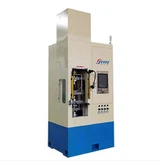
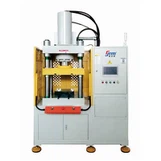
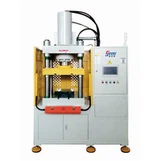
Before we discuss the maximum working speed, let's briefly understand what a servo hydraulic press machine is. A Servo Hydraulic Press Machine combines the advantages of hydraulic power and servo control technology. It uses a hydraulic system to generate high forces and a servo motor to control the movement of the press ram precisely. This combination allows for greater flexibility, energy efficiency, and accuracy compared to traditional hydraulic presses.
Factors Affecting the Maximum Working Speed
The maximum working speed of a servo hydraulic press machine is influenced by several factors, including:
1. Hydraulic System Design
The design of the hydraulic system plays a significant role in determining the maximum working speed. A well-designed hydraulic system with high flow rates and low internal resistance can deliver the required hydraulic fluid to the cylinders quickly, enabling faster movement of the press ram. Factors such as the size and type of hydraulic pumps, valves, and cylinders, as well as the hydraulic circuit layout, all affect the system's performance.
2. Servo Motor and Controller
The servo motor and controller are responsible for controlling the movement of the press ram. A high-performance servo motor with a high torque-to-inertia ratio can accelerate and decelerate the ram quickly, allowing for faster working speeds. The controller's ability to accurately control the motor's speed and position also affects the overall performance of the press. Advanced servo controllers can provide precise control over the ram's movement, enabling smooth and efficient operation at high speeds.
3. Mechanical Structure
The mechanical structure of the press machine, including the frame, slide, and guideways, also affects the maximum working speed. A rigid and stable mechanical structure can withstand the forces generated during high-speed operation without excessive vibration or deflection, ensuring accurate and reliable performance. The quality of the bearings, seals, and other mechanical components also plays a role in the machine's overall performance.
4. Tooling and Workpiece
The type and design of the tooling used in the press machine, as well as the characteristics of the workpiece, can also affect the maximum working speed. Heavy or complex tooling may require more force to move, which can limit the speed of the press. Similarly, workpieces with irregular shapes or high friction coefficients may require slower working speeds to ensure proper forming or assembly.


Typical Maximum Working Speeds
The maximum working speed of a servo hydraulic press machine can vary depending on the specific model and application. In general, servo hydraulic press machines can achieve working speeds ranging from a few millimeters per second to several hundred millimeters per second. For example, in some light-duty applications such as precision assembly or small parts forming, the maximum working speed may be around 100 - 200 mm/s. In more heavy-duty applications such as metal stamping or forging, the maximum working speed may be lower, typically in the range of 20 - 50 mm/s.
It's important to note that the maximum working speed is often specified under ideal conditions and may be affected by factors such as the load, temperature, and lubrication of the machine. In real-world applications, the actual working speed may be lower than the maximum specified speed to ensure the quality and safety of the production process.
Benefits of High-Speed Operation
Operating a servo hydraulic press machine at high speeds can offer several benefits, including:
1. Increased Productivity
Faster working speeds mean more parts can be produced in a given time, increasing the overall productivity of the manufacturing process. This can help businesses meet production targets, reduce lead times, and improve their competitiveness in the market.
2. Improved Efficiency
High-speed operation can also improve the efficiency of the press machine by reducing the cycle time. This means less energy is consumed per part produced, resulting in lower operating costs and a more sustainable manufacturing process.
3. Enhanced Quality
Precise control over the ram's movement at high speeds can result in better part quality and consistency. This is particularly important in applications where tight tolerances and high precision are required.
Considerations for High-Speed Operation
While high-speed operation offers many benefits, it also requires careful consideration to ensure the safety and reliability of the press machine. Some important considerations include:
1. Maintenance and Lubrication
High-speed operation can put additional stress on the machine's components, increasing the risk of wear and tear. Regular maintenance and proper lubrication are essential to ensure the long-term reliability and performance of the press. This includes checking and replacing worn parts, cleaning the hydraulic system, and lubricating the moving components at regular intervals.
2. Safety Measures
Operating a press machine at high speeds requires appropriate safety measures to protect the operators and prevent accidents. This includes installing safety guards, emergency stop buttons, and other safety devices, as well as providing proper training to the operators on how to safely operate the machine at high speeds.
3. Tooling Design
The tooling used in high-speed operation should be designed to withstand the forces and stresses generated during the process. This may require using high-strength materials, optimizing the tool's geometry, and ensuring proper alignment and clamping.
Conclusion
The maximum working speed of a servo hydraulic press machine is influenced by several factors, including the hydraulic system design, servo motor and controller, mechanical structure, and tooling and workpiece. By understanding these factors and choosing a high-quality press machine with the appropriate specifications, businesses can achieve faster working speeds, increased productivity, and improved efficiency.
As a supplier of Hydraulic Servo Press machines, we are committed to providing our customers with the latest technology and high-performance products. If you are interested in learning more about our servo hydraulic press machines or have any questions about the maximum working speed, please feel free to contact us. Our team of experts will be happy to assist you in selecting the right press machine for your specific application and provide you with the support and guidance you need to optimize your production process.
References
- "Hydraulic Press Technology" by John Doe
- "Servo Control Systems in Industrial Applications" by Jane Smith
- Manufacturer's technical documentation for servo hydraulic press machines