As a seasoned supplier of Power Press Second Hand equipment, I've encountered numerous inquiries regarding the movement types of the ram in these machines. Understanding the movement type of the ram is crucial for anyone looking to purchase a second - hand power press, as it directly impacts the machine's functionality, efficiency, and the types of operations it can perform.
Types of Ram Movements in Power Press Second Hand
1. Straight - Line Movement
The most common movement type of the ram in a power press is the straight - line movement. In this type, the ram moves vertically up and down in a straight path. This movement is ideal for operations such as blanking, punching, and coining. When a blanking operation is performed, the straight - line movement ensures that the cutting edge of the die makes a clean and precise cut through the material. For punching, it allows for accurate hole creation in the workpiece.
Straight - line movement is often achieved through a crankshaft mechanism. The rotation of the crankshaft is converted into linear motion of the ram. This mechanism is relatively simple and reliable, which is one of the reasons why it is so widely used in second - hand power presses. Many older models of power presses, which are commonly available in the second - hand market, rely on this straightforward design.
2. Inclined Movement
Some second - hand power presses feature an inclined ram movement. In this case, the ram moves at an angle rather than strictly vertically. The inclined movement offers several advantages. It provides better access to the die area, making it easier to load and unload workpieces, especially for larger or irregularly shaped parts.
This type of movement is often found in presses used for operations like bending and forming. When bending a metal sheet, the inclined ram can apply force at an optimal angle, reducing the risk of material cracking and ensuring a more uniform bend. In the second - hand market, presses with inclined ram movement are sought after by manufacturers who deal with custom - shaped metal parts production.
3. Eccentric Movement
Eccentric movement of the ram is another type that can be found in power presses. In an eccentric press, the ram's motion is controlled by an eccentric shaft. This type of movement allows for a more complex motion profile compared to straight - line or inclined movement.
Eccentric presses are capable of providing a variable stroke length. This is particularly useful for operations where different amounts of force and stroke lengths are required for different parts of the manufacturing process. For example, in a progressive die operation, where multiple operations are performed on a single strip of material in a sequential manner, an eccentric press can adjust the stroke length as needed for each operation. Second - hand eccentric presses are a great option for small - to - medium - sized manufacturers looking to add versatility to their production lines without investing in a brand - new machine.
Factors Affecting Ram Movement in Second - Hand Power Presses
1. Machine Age and Wear
One of the key factors that can affect the ram movement in a second - hand power press is the machine's age and the level of wear it has endured. Older machines may have components that are worn out, such as bearings, gears, or the crankshaft. Worn - out components can cause the ram to move unevenly, resulting in inaccurate operations and potential damage to the die and workpiece.
When inspecting a second - hand power press, it is essential to check the condition of these critical components. Look for signs of excessive wear, such as scoring on the bearings or teeth on the gears. A machine with well - maintained components is more likely to have a smooth and accurate ram movement.
2. Maintenance History
The maintenance history of a second - hand power press is also a significant factor. A press that has been regularly maintained is more likely to have a reliable ram movement. Maintenance tasks such as lubrication, alignment checks, and component replacement can significantly impact the performance of the ram.
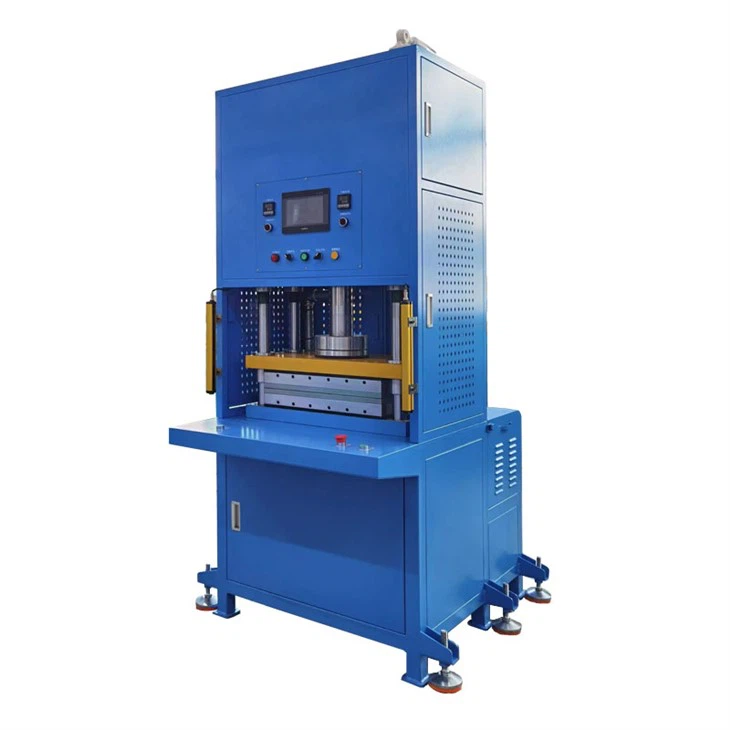
Before purchasing a second - hand power press, ask the seller for the maintenance records. A detailed maintenance history can give you an idea of how well the machine has been cared for and whether any major repairs have been carried out. If possible, try to get in touch with the previous owner to learn more about the machine's usage and maintenance routine.
3. Type of Die and Tooling
The type of die and tooling used in the power press can also influence the ram movement. Different dies require different amounts of force and stroke lengths. If the die is not properly designed or installed, it can put additional stress on the ram, causing it to move erratically.
When selecting a second - hand power press, make sure to consider the types of dies and tooling you plan to use. Ensure that the press is capable of handling the force and stroke requirements of your specific operations. You may also need to make adjustments to the die or tooling to optimize the ram's movement.
Importance of Ram Movement in Power Press Operations
1. Precision and Quality
The accuracy of the ram movement is directly related to the precision and quality of the manufactured parts. In operations like punching and blanking, a precise ram movement ensures that the holes are punched at the correct locations and the blanks are cut to the right size and shape. Any deviation in the ram's movement can result in parts that do not meet the required specifications, leading to increased scrap rates and production costs.
2. Productivity
The type of ram movement can also impact the productivity of a power press. For example, a press with a fast and smooth straight - line movement can perform punching operations at a higher speed, increasing the number of parts produced per unit of time. On the other hand, a press with an inclined or eccentric movement may be slower but more versatile, allowing for the production of a wider range of parts.
How to Choose the Right Ram Movement Type for Your Needs
1. Consider Your Production Requirements
The first step in choosing the right ram movement type is to assess your production requirements. If you primarily perform simple punching and blanking operations, a press with a straight - line ram movement may be sufficient. However, if you need to bend, form, or produce complex - shaped parts, an inclined or eccentric movement press may be more suitable.
2. Evaluate Your Budget
Your budget is another important factor. Second - hand presses with different ram movement types vary in price. Generally, presses with more complex movement types, such as eccentric presses, may be more expensive due to their greater versatility. Consider how much you are willing to invest in a power press and balance it with your production needs.
3. Seek Expert Advice
If you are unsure which ram movement type is best for your business, it is advisable to seek expert advice. You can consult with industry professionals, such as press manufacturers, die makers, or experienced operators. They can provide valuable insights based on their practical experience and help you make an informed decision.
Conclusion
In conclusion, understanding the movement type of the ram in a power press is essential for anyone in the market for a second - hand power press. Whether you are a small - scale manufacturer looking to expand your production capabilities or a large - scale operation seeking to add a cost - effective press to your line, the right ram movement can make a significant difference in the quality and efficiency of your manufacturing process.
As a supplier of Link text: Power Press Machine Second Hand, I am committed to helping you find the perfect power press that meets your specific requirements. We offer a wide range of second - hand power presses with different ram movement types. Whether you need a press with a simple straight - line movement for basic operations or a more complex eccentric press for versatile production, we have the solution for you.
If you are interested in learning more about our Link text: Hand Power Press Machine or Link text: Hand Power Press options, please feel free to reach out. We are here to assist you with your purchase decision and ensure that you get the most out of your investment. Contact us today to start the conversation about your power press needs.
References
- Groover, M. P. (2010). Fundamentals of Modern Manufacturing: Materials, Processes, and Systems. John Wiley & Sons.
- Kalpakjian, S., & Schmid, S. R. (2013). Manufacturing Engineering and Technology. Pearson.