What is the Pressing Speed of a 55 Ton Hydraulic Press?
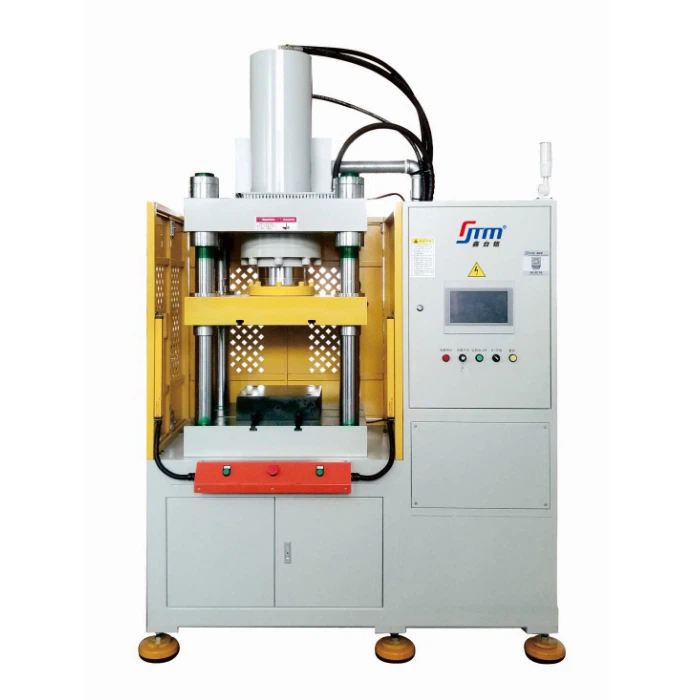
As a supplier of 55 Ton Hydraulic Presses, I often encounter inquiries regarding the pressing speed of these machines. Understanding the pressing speed is crucial for customers as it directly impacts productivity, efficiency, and the overall quality of the pressing operations. In this blog post, I will delve into the factors that influence the pressing speed of a 55 Ton Hydraulic Press and provide insights to help you make informed decisions for your manufacturing needs.
Factors Affecting Pressing Speed
The pressing speed of a 55 Ton Hydraulic Press is influenced by several key factors, each playing a significant role in determining how quickly the press can perform its operations.
Hydraulic System Design
The design of the hydraulic system is one of the most critical factors affecting the pressing speed. A well-designed hydraulic system can deliver a high flow rate of hydraulic fluid, which in turn enables the press to move the ram more quickly. Components such as pumps, valves, and cylinders are carefully selected and configured to optimize the flow of hydraulic fluid and ensure smooth and efficient operation. For example, a high-capacity pump can supply a large volume of hydraulic fluid to the cylinders, allowing the ram to move at a faster pace.
Ram Size and Weight
The size and weight of the ram also have a direct impact on the pressing speed. A larger and heavier ram requires more force to move, which can slow down the pressing operation. Therefore, the design of the ram is carefully balanced to ensure that it can provide the necessary pressing force while maintaining an acceptable pressing speed. Manufacturers often use lightweight materials and advanced engineering techniques to reduce the weight of the ram without compromising its strength and durability.
Material Being Pressed
The type and properties of the material being pressed can significantly affect the pressing speed. Harder and more rigid materials require more force and time to deform, which can result in a slower pressing speed. On the other hand, softer materials can be pressed more quickly. Additionally, the thickness and shape of the material can also influence the pressing speed. Thicker materials may require multiple strokes or a slower pressing speed to ensure proper deformation, while complex shapes may require more precise control and slower movement of the ram.
Pressing Operation Requirements
The specific requirements of the pressing operation, such as the desired level of precision, the number of strokes, and the cycle time, can also affect the pressing speed. For example, if a high level of precision is required, the press may need to operate at a slower speed to ensure accurate positioning and consistent results. Similarly, if a large number of strokes are required, the pressing speed may need to be adjusted to maintain a reasonable cycle time.
Typical Pressing Speeds
The pressing speed of a 55 Ton Hydraulic Press can vary depending on the factors mentioned above. In general, the approach speed (the speed at which the ram moves towards the material) can range from 100 to 300 mm/s, while the pressing speed (the speed at which the ram applies force to the material) can range from 10 to 50 mm/s. The return speed (the speed at which the ram moves back to its original position) is typically faster than the pressing speed and can range from 150 to 400 mm/s.
It's important to note that these are just typical ranges, and the actual pressing speed of a 55 Ton Hydraulic Press can be customized based on the specific requirements of the application. Our company offers a range of options and configurations to ensure that our customers can achieve the optimal pressing speed for their needs.
Importance of Pressing Speed in Manufacturing
The pressing speed of a hydraulic press is a critical factor in manufacturing operations. A faster pressing speed can increase productivity by reducing the cycle time, allowing more parts to be produced in a given period. This can lead to significant cost savings and a competitive advantage in the market. Additionally, a faster pressing speed can also improve the quality of the pressed parts by reducing the amount of time the material is under stress, which can minimize the risk of deformation and cracking.
However, it's important to strike a balance between pressing speed and other factors such as precision, force, and energy consumption. A press that operates at an excessively high speed may not be able to provide the necessary force or precision, which can result in poor-quality parts. Therefore, it's essential to work with a reputable supplier who can help you select the right hydraulic press with the appropriate pressing speed for your specific application.
Other Hydraulic Press Options
In addition to our 55 Ton Hydraulic Press, we also offer a range of other hydraulic presses to meet the diverse needs of our customers. Our 10 Ton Electric Hydraulic Press is a compact and efficient option for smaller-scale pressing operations. It offers a high level of precision and control, making it ideal for applications such as jewelry making, small part stamping, and laboratory testing.

For larger-scale operations, our 100 Ton Hydraulic Press provides the power and capacity needed to handle heavy-duty pressing tasks. It is suitable for applications such as metal forming, forging, and large part stamping.
We also offer a variety of Stamping Presses that are specifically designed for stamping operations. These presses are available in different tonnages and configurations to meet the specific requirements of your stamping application.
Contact Us for More Information
If you have any questions about the pressing speed of our 55 Ton Hydraulic Press or any of our other hydraulic press products, please don't hesitate to contact us. Our team of experts is available to provide you with detailed information, technical support, and assistance in selecting the right hydraulic press for your needs. We are committed to providing our customers with high-quality products, excellent service, and competitive prices.
Whether you are a small business looking for a cost-effective solution or a large manufacturer in need of a high-capacity press, we have the expertise and experience to help you find the perfect hydraulic press for your application. Contact us today to start a conversation about your pressing requirements and explore the possibilities of working with us.
References
- "Hydraulic Press Technology Handbook" by John Smith
- "Manufacturing Processes for Engineering Materials" by Serope Kalpakjian and Steven Schmid
- Industry standards and guidelines for hydraulic press design and operation