Hey there! As a supplier of Hydraulic Line Presses, I often get asked about the response time of the pressure build - up in these machines. It's a crucial factor that can significantly impact the efficiency and effectiveness of various operations. So, let's dive right in and explore this topic in detail.
What's Pressure Build - up Response Time?
First off, the response time of the pressure build - up in a hydraulic line press refers to the time it takes for the press to reach its desired operating pressure from a starting point, usually zero pressure. This time can vary depending on a bunch of factors, and understanding these factors is key to getting the most out of your hydraulic press.


Factors Affecting Response Time
Pump Capacity
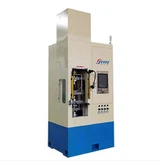
The pump is the heart of the hydraulic system. A pump with a higher flow rate can deliver more hydraulic fluid to the cylinder in a shorter period. This means that if you've got a high - capacity pump, the pressure build - up will be faster. For instance, a big industrial 20 Ton Hydraulic Press typically has a powerful pump to quickly reach the high pressures needed for heavy - duty tasks.
Cylinder Size
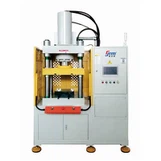
The size of the hydraulic cylinder also plays a huge role. A larger cylinder requires more fluid to fill and pressurize. So, if you have a big cylinder in your press, it'll take longer to build up the pressure compared to a smaller one. This is something to keep in mind when choosing a press for your specific application. A Small Electric Hydraulic Press, for example, has a relatively small cylinder, which allows for a quicker pressure build - up and is great for smaller, more precise jobs.
Fluid Viscosity
The viscosity of the hydraulic fluid is another important factor. Viscosity is basically a measure of how thick or thin the fluid is. A fluid with high viscosity is thicker and flows more slowly. When you use a high - viscosity fluid in your hydraulic press, it'll take longer for the pump to move the fluid through the system and build up the pressure. On the other hand, a low - viscosity fluid flows more easily, resulting in a faster pressure build - up. However, you can't just use any low - viscosity fluid; it needs to be suitable for the operating conditions of your press.
System Leakage
Leakage in the hydraulic system can seriously slow down the pressure build - up. Even small leaks can cause a loss of fluid, which means the pump has to work harder and longer to reach the desired pressure. Regular maintenance and inspection of the hydraulic lines, fittings, and seals are essential to minimize leakage and ensure a quick pressure build - up.
Why Does Response Time Matter?
Productivity
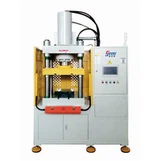
In a manufacturing or industrial setting, time is money. A fast pressure build - up means that the press can start its operation sooner, reducing the overall cycle time. This translates to higher productivity as more parts can be processed in a given period. For example, in a factory that uses a 4 Post Hydraulic Press to form metal parts, a quicker pressure build - up allows for more parts to be produced per hour.
Precision
In some applications, precise control of the pressure build - up is crucial. For instance, in a press used for molding delicate components, a slow and controlled pressure build - up can prevent damage to the parts. On the other hand, in a press used for high - speed stamping, a fast and consistent pressure build - up is needed to ensure clean and accurate cuts.
Measuring and Improving Response Time
Measuring
To measure the response time of the pressure build - up, you can use pressure sensors and data loggers. These devices can record the pressure changes over time, allowing you to analyze the build - up rate. By measuring the response time regularly, you can detect any changes or issues in the hydraulic system early on.
Improving
If you find that the response time of your hydraulic press is slower than desired, there are several steps you can take to improve it. First, check the pump. Make sure it's operating at its full capacity and that there are no blockages in the inlet or outlet. You might also consider upgrading the pump if it's old or under - powered.
Next, inspect the hydraulic fluid. If the viscosity is too high, you may need to change to a more suitable fluid. And of course, fix any leaks in the system as soon as possible. Regularly maintaining the seals and fittings can prevent leakage and keep the system running smoothly.
Choosing the Right Hydraulic Press for Your Needs
When selecting a hydraulic press, it's important to consider the response time of the pressure build - up based on your specific requirements. If you need a press for high - volume production with quick cycle times, look for a press with a high - capacity pump and a relatively small cylinder. On the other hand, if precision and control are your top priorities, choose a press that allows for a slow and controlled pressure build - up.
As a supplier of Hydraulic Line Presses, I've seen firsthand how the right press can make a huge difference in your operations. Whether you're in the automotive, aerospace, or manufacturing industry, we've got a wide range of presses to meet your needs.
If you're interested in learning more about our hydraulic presses or have any questions about the pressure build - up response time, don't hesitate to reach out. We're here to help you find the perfect press for your application and ensure that it performs at its best.
Conclusion
The response time of the pressure build - up in a hydraulic line press is a critical factor that can impact productivity, precision, and overall performance. By understanding the factors that affect response time and taking steps to measure and improve it, you can get the most out of your hydraulic press. Whether you're looking for a 20 Ton Hydraulic Press for heavy - duty tasks, a Small Electric Hydraulic Press for precise jobs, or a 4 Post Hydraulic Press for large - scale production, we're here to assist you. Contact us today to start a discussion about your hydraulic press needs and let's find the perfect solution together.
References
- Fluid Power Handbook, various editions
- Hydraulic Systems Design and Maintenance Manuals
- Industry research papers on hydraulic press performance