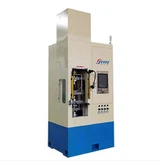
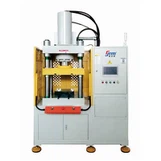
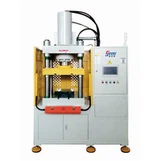
The service life of a jet hydraulic press is a crucial consideration for businesses in various industries that rely on this powerful equipment for their manufacturing and processing needs. As a supplier of jet hydraulic presses, I understand the importance of providing accurate information about the service life of these machines to help our customers make informed decisions. In this blog post, I will delve into the factors that influence the service life of a jet hydraulic press, provide estimates based on industry standards, and offer tips on how to extend the lifespan of your equipment.
Factors Affecting the Service Life of a Jet Hydraulic Press
Several factors can impact the service life of a jet hydraulic press. Understanding these factors is essential for predicting how long your machine will last and taking proactive measures to ensure its longevity.
1. Quality of Manufacturing
The quality of materials and workmanship used in the manufacturing of a jet hydraulic press plays a significant role in its service life. High-quality components, such as precision-machined cylinders, robust frames, and reliable hydraulic systems, are more likely to withstand the rigors of continuous operation and resist wear and tear. At our company, we are committed to using only the finest materials and employing strict quality control measures during the manufacturing process to ensure that our jet hydraulic presses are built to last.
2. Operating Conditions
The environment in which a jet hydraulic press operates can have a profound effect on its service life. Harsh conditions, such as extreme temperatures, high humidity, and exposure to dust and debris, can accelerate the deterioration of components and lead to premature failure. Additionally, the frequency and intensity of use also play a role. A press that is used continuously for long hours at high pressures will experience more wear and tear than one that is used intermittently or at lower pressures. It is important to ensure that your jet hydraulic press is installed in a clean, dry, and well-ventilated environment and that it is operated within its specified limits.
3. Maintenance and Servicing
Regular maintenance and servicing are essential for extending the service life of a jet hydraulic press. This includes tasks such as lubricating moving parts, checking and replacing filters, inspecting hydraulic hoses for leaks, and calibrating the machine's controls. By following a comprehensive maintenance schedule and addressing any issues promptly, you can prevent minor problems from escalating into major breakdowns and ensure that your press continues to operate at peak performance. Our company offers a range of maintenance and servicing packages to help our customers keep their jet hydraulic presses in top condition.
4. Operator Training
Proper operator training is crucial for the safe and efficient operation of a jet hydraulic press. Operators who are trained to use the machine correctly and follow all safety procedures are less likely to cause damage to the equipment through improper use or negligence. Additionally, trained operators are better able to identify and report any potential problems early on, which can help prevent costly repairs and downtime. We provide comprehensive training programs for our customers' operators to ensure that they have the knowledge and skills necessary to operate our jet hydraulic presses safely and effectively.
Estimated Service Life of a Jet Hydraulic Press
Based on industry standards and our experience as a supplier of jet hydraulic presses, the average service life of a well-maintained machine can range from 10 to 20 years. However, this estimate can vary depending on the factors mentioned above. For example, a press that is used in a relatively clean and mild operating environment and is properly maintained may last closer to 20 years, while one that is subjected to harsh conditions and heavy use may have a shorter service life.
It is important to note that the service life of a jet hydraulic press is not a fixed number and can be extended through proper care and maintenance. By investing in a high-quality machine, operating it within its specified limits, following a regular maintenance schedule, and providing operator training, you can maximize the lifespan of your press and get the most out of your investment.
Extending the Service Life of Your Jet Hydraulic Press
Here are some tips on how to extend the service life of your jet hydraulic press:
1. Choose the Right Machine for Your Application
Before purchasing a jet hydraulic press, it is important to carefully consider your specific application requirements. Make sure that the machine you choose has the appropriate tonnage, stroke length, and other features to meet your needs. Choosing a press that is too small or underpowered for your application can lead to excessive wear and tear and a shorter service life. You can explore our 50 Ton Press and 10 Ton Electric Hydraulic Press options to find the right fit for your operations.
2. Follow the Manufacturer's Recommendations
The manufacturer's operating and maintenance manuals provide valuable information on how to properly use and care for your jet hydraulic press. Make sure to read these manuals carefully and follow all the recommendations. This includes using the correct hydraulic fluid, lubricants, and filters, as well as performing regular maintenance tasks at the recommended intervals.
3. Monitor the Machine's Performance
Regularly monitoring the performance of your jet hydraulic press can help you detect any potential problems early on. Pay attention to any changes in the machine's operation, such as unusual noises, vibrations, or changes in pressure. If you notice any issues, stop the machine immediately and contact a qualified technician for assistance.


4. Invest in Quality Replacement Parts
When it comes time to replace worn or damaged parts, it is important to use high-quality replacement parts that are specifically designed for your jet hydraulic press. Using inferior parts can lead to poor performance, increased wear and tear, and even safety hazards. Our company offers a wide range of genuine replacement parts for our jet hydraulic presses to ensure that your machine continues to operate at peak performance.
5. Consider Upgrades and Retrofits
As technology advances, there may be opportunities to upgrade or retrofit your jet hydraulic press to improve its performance, efficiency, and safety. This can include installing new control systems, upgrading the hydraulic pump, or adding safety features. Our team of experts can help you evaluate your options and determine if an upgrade or retrofit is right for your machine.
Conclusion
The service life of a jet hydraulic press is influenced by a variety of factors, including the quality of manufacturing, operating conditions, maintenance and servicing, and operator training. By understanding these factors and taking proactive measures to address them, you can extend the lifespan of your press and get the most out of your investment.
If you are in the market for a jet hydraulic press or need assistance with maintaining or upgrading your existing machine, we invite you to contact us. Our team of experts is here to help you find the right solution for your specific needs and provide you with the support and service you deserve. Whether you are looking for a 50 Ton Press, a 10 Ton Electric Hydraulic Press, or a Small Electric Hydraulic Press, we have the expertise and experience to help you make the right choice.
References
- "Hydraulic Press Handbook," Industrial Press Inc.
- "Maintenance and Troubleshooting of Hydraulic Systems," McGraw-Hill Education