As a supplier of Servo Hydraulic Press Machines, I often receive inquiries from customers about various aspects of these machines. One question that comes up quite frequently is, "What is the starting time of a servo hydraulic press machine?" In this blog post, I will delve into this topic in detail, exploring the factors that influence the starting time and providing insights to help you better understand this crucial aspect of servo hydraulic press machines.
Understanding Servo Hydraulic Press Machines
Before we discuss the starting time, let's briefly understand what a servo hydraulic press machine is. A servo hydraulic press machine combines the advantages of hydraulic systems and servo technology. It uses a servo motor to drive the hydraulic pump, which allows for precise control of pressure, speed, and position. These machines are widely used in various industries, including automotive, aerospace, electronics, and manufacturing, for tasks such as stamping, forming, pressing, and assembly.
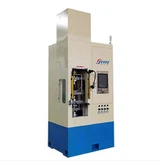
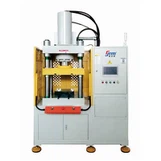
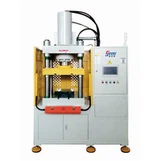
The Hydraulic Servo Press is a prime example of this technology. It offers high precision, energy efficiency, and flexibility, making it a popular choice for modern manufacturing processes. Another type is the H Frame Electric Servo Press, which is known for its robust structure and excellent performance in heavy-duty applications. The High Precision Servo Press is specifically designed for applications that require extremely accurate control and high repeatability.
Factors Affecting the Starting Time
The starting time of a servo hydraulic press machine refers to the time it takes from the moment the start command is issued to the moment the machine reaches its operating state. Several factors can influence this starting time:
1. System Warm-up
Just like any mechanical or hydraulic system, a servo hydraulic press machine needs to warm up before it can operate at its optimal level. During the warm-up period, the hydraulic oil needs to reach the appropriate temperature to ensure proper viscosity and flow. If the oil is too cold, it can cause increased resistance in the hydraulic system, leading to slower response times and longer starting times. In general, the warmer the environment, the shorter the warm-up time required. However, in cold environments, additional heating may be necessary to reduce the warm-up time.
2. Motor and Pump Response
The servo motor and hydraulic pump play a crucial role in the starting process. The motor needs to accelerate from rest to its operating speed, and the pump needs to build up the required pressure. The response time of the motor and pump depends on their specifications and the control system used. High-performance servo motors and pumps can have faster response times, resulting in shorter starting times. Additionally, the control algorithm of the servo system can also affect how quickly the motor and pump reach their operating states.
3. Control System Initialization
The control system of a servo hydraulic press machine needs to initialize various parameters and sensors before the machine can start operating. This includes checking the position sensors, pressure sensors, and other safety devices to ensure they are functioning properly. The complexity of the control system and the number of sensors can impact the initialization time. Advanced control systems with faster processors and more efficient algorithms can reduce the initialization time and improve the overall starting performance.
4. Load Conditions
The starting time can also be affected by the load conditions. If the machine is starting with a heavy load, it may take longer for the motor and pump to overcome the resistance and reach the operating speed. On the other hand, starting with a light load or no load can result in shorter starting times. Some servo hydraulic press machines are equipped with load-sensing technology, which can adjust the starting process based on the load conditions to optimize the starting time.
Measuring and Optimizing the Starting Time
To measure the starting time of a servo hydraulic press machine, you can use a stopwatch or a data acquisition system to record the time from the start command to the moment the machine reaches a predefined operating parameter, such as the set pressure or position. Once you have measured the starting time, you can take the following steps to optimize it:
1. Regular Maintenance
Regular maintenance of the machine is essential to ensure its optimal performance. This includes changing the hydraulic oil at the recommended intervals, checking and tightening the connections, and inspecting the motor and pump for any signs of wear or damage. A well-maintained machine will have better response times and shorter starting times.
2. System Tuning
The control system of the servo hydraulic press machine can be tuned to optimize the starting process. This involves adjusting the parameters of the servo motor, pump, and control algorithm to achieve the fastest possible response while maintaining stability and accuracy. Professional technicians with experience in servo system tuning can help you find the optimal settings for your specific machine and application.
3. Environment Management
As mentioned earlier, the environment can have a significant impact on the starting time. In cold environments, you can use heaters to warm up the hydraulic oil and the machine components. In hot environments, proper ventilation and cooling may be necessary to prevent overheating and ensure the stability of the system. By managing the environment, you can reduce the warm-up time and improve the starting performance.
Importance of a Short Starting Time
A short starting time is important for several reasons:
1. Productivity
In a manufacturing environment, every second counts. A shorter starting time means that the machine can start producing parts more quickly, increasing the overall productivity of the production line. This is especially crucial for high-volume production applications where downtime can result in significant losses.
2. Energy Efficiency
When a machine has a long starting time, it may consume more energy during the warm-up and starting process. By reducing the starting time, you can minimize the energy consumption and lower the operating costs. Additionally, a more efficient starting process can also contribute to the overall energy efficiency of the machine.


3. Process Consistency
A consistent starting time is essential for maintaining the quality and consistency of the manufacturing process. If the starting time varies significantly, it can affect the accuracy of the forming or pressing operations, leading to variations in the product quality. By optimizing the starting time, you can ensure that the machine starts up in a consistent manner, resulting in more reliable and high-quality products.
Conclusion
In conclusion, the starting time of a servo hydraulic press machine is influenced by various factors, including system warm-up, motor and pump response, control system initialization, and load conditions. By understanding these factors and taking appropriate measures to optimize the starting process, you can reduce the starting time, improve productivity, and enhance the overall performance of the machine.
If you are interested in learning more about our Servo Hydraulic Press Machines or have any questions regarding the starting time or other aspects of these machines, please feel free to contact us for a detailed discussion. We are committed to providing you with the best solutions and support for your manufacturing needs.
References
- [1] "Servo Hydraulic Press Technology Handbook", Industry Publication, 20XX
- [2] "Advanced Control Systems for Hydraulic Presses", Journal of Manufacturing Engineering, Vol. XX, Issue XX, 20XX
- [3] "Optimizing the Starting Performance of Servo Machines", International Conference on Manufacturing Technology, 20XX