As a supplier of Hydraulic Servo Presses, I often encounter questions from customers regarding the optimal operating conditions for these machines. One of the most frequently asked questions is about the temperature range within which a Hydraulic Servo Press can operate normally. In this blog post, I will delve into this topic in detail, providing you with the necessary information to ensure the efficient and reliable operation of your press.
Understanding the Basics of a Hydraulic Servo Press
Before we discuss the temperature range, it's essential to understand what a Hydraulic Servo Press is and how it works. A Hydraulic Servo Press is a sophisticated piece of equipment that combines the power of hydraulics with the precision of servo control. It uses a hydraulic system to generate force and a servo motor to control the movement of the press ram. This combination allows for highly accurate and repeatable pressing operations, making it ideal for a wide range of applications, including automotive, aerospace, and electronics manufacturing.
The Importance of Temperature in Hydraulic Servo Press Operation
Temperature plays a crucial role in the performance and longevity of a Hydraulic Servo Press. Both high and low temperatures can have a significant impact on the hydraulic fluid, seals, and other components of the press.
Effects of High Temperatures
- Viscosity Reduction: Hydraulic fluid viscosity decreases as temperature increases. This can lead to reduced lubrication and increased wear on the hydraulic components, such as pumps, valves, and cylinders.
- Seal Degradation: High temperatures can cause the seals in the hydraulic system to degrade, leading to leaks and loss of hydraulic pressure.
- Oxidation and Contamination: Elevated temperatures can accelerate the oxidation of the hydraulic fluid, which can lead to the formation of sludge and varnish. These contaminants can clog the hydraulic filters and valves, reducing the efficiency of the system.
Effects of Low Temperatures
- Increased Viscosity: At low temperatures, the viscosity of the hydraulic fluid increases, making it more difficult for the fluid to flow through the system. This can result in slower operation, increased energy consumption, and reduced accuracy.
- Brittleness of Seals and Components: Cold temperatures can make the seals and other rubber components in the press more brittle, increasing the risk of cracking and failure.
Optimal Temperature Range for Hydraulic Servo Press Operation
Based on industry standards and our experience as a Hydraulic Servo Press supplier, the optimal temperature range for a Hydraulic Servo Press to operate normally is between 15°C (59°F) and 60°C (140°F).
- Lower Limit (15°C / 59°F): This temperature provides sufficient viscosity for proper lubrication and flow of the hydraulic fluid. At this temperature, the press can operate efficiently without significant energy consumption or loss of accuracy.
- Upper Limit (60°C / 140°F): Operating the press below this temperature helps to prevent excessive viscosity reduction, seal degradation, and oxidation of the hydraulic fluid.
Maintaining the Optimal Temperature Range
To ensure that your Hydraulic Servo Press operates within the optimal temperature range, several measures can be taken:
Cooling Systems
- Oil Coolers: Installing an oil cooler is an effective way to regulate the temperature of the hydraulic fluid. Oil coolers use either air or water to remove heat from the fluid, maintaining it at a safe operating temperature.
- Heat Exchangers: Heat exchangers can be used to transfer heat from the hydraulic fluid to another medium, such as water or coolant. This can help to prevent overheating of the hydraulic system.
Insulation and Heating
- Insulation: Insulating the hydraulic system can help to reduce heat loss in cold environments, keeping the fluid at a suitable temperature.
- Heating Elements: In extremely cold conditions, heating elements can be installed in the hydraulic reservoir to pre - heat the fluid before starting the press. This ensures that the fluid has the proper viscosity for smooth operation.
Monitoring and Control
- Temperature Sensors: Install temperature sensors in the hydraulic system to monitor the fluid temperature continuously. These sensors can be connected to a control system that can automatically adjust the cooling or heating systems as needed.
- Regular Maintenance: Regularly check the hydraulic fluid level, quality, and temperature. Replace the hydraulic fluid and filters at the recommended intervals to prevent contamination and ensure optimal performance.
Other Considerations for Different Types of Hydraulic Servo Presses
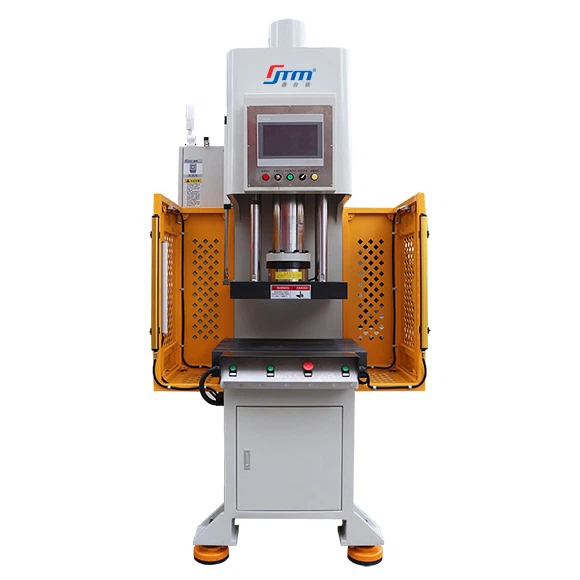
In addition to the general temperature range, different types of Hydraulic Servo Presses may have specific temperature requirements. For example, a C Frame Electric Servo Press and a Servo Hydraulic Press Machine may have different heat generation rates and cooling requirements due to their design and application.
- C Frame Electric Servo Press: These presses are often used for smaller - scale operations and may have a more compact hydraulic system. As a result, they may require less cooling capacity compared to larger presses. However, it's still important to ensure that the temperature remains within the optimal range to prevent overheating of the electrical components as well.
- Servo Hydraulic Press Machine: Larger Servo Hydraulic Press Machines, especially those used in heavy - duty applications, may generate more heat due to their higher power requirements. These presses may need more robust cooling systems, such as multiple oil coolers or larger heat exchangers, to maintain the optimal temperature.
Conclusion
Maintaining the optimal temperature range is essential for the efficient and reliable operation of a Hydraulic Servo Press. By understanding the effects of temperature on the hydraulic system and taking appropriate measures to control it, you can extend the lifespan of your press, reduce maintenance costs, and improve the quality of your pressing operations.

If you are considering purchasing a Hydraulic Servo Press or need assistance with temperature control for your existing press, we are here to help. Our team of experts can provide you with personalized advice and solutions based on your specific requirements. Contact us to discuss your needs and start a procurement negotiation today.
References
- Manufacturer's manuals for Hydraulic Servo Presses
- Industry standards for hydraulic system operation and maintenance
- Technical papers on the effects of temperature on hydraulic components