Hey there! As a supplier of hydraulic presses, I've seen firsthand how these powerful machines can make industrial and DIY tasks a whole lot easier. But let's be real, they're not without their risks. That's why I'm here to share some essential safety precautions you should take when using a hydraulic press.
First off, let's talk about the importance of proper training. You wouldn't hop in a race car without learning how to drive, right? The same goes for operating a hydraulic press. Before anyone touches the controls, they should go through comprehensive training. This training should cover everything from the basic functions of the press to emergency procedures. It's not just about knowing how to make the press go up and down; it's about understanding the potential hazards and how to avoid them.
One of the most common mistakes I see is people not wearing the right personal protective equipment (PPE). When you're working with a hydraulic press, safety glasses are a must. Hydraulic presses can generate a lot of force, and there's always a risk of small pieces of material flying off. Safety glasses will protect your eyes from these projectiles.
Gloves are also important. They not only protect your hands from cuts and abrasions but also give you a better grip on the materials you're working with. But be careful not to wear gloves that are too loose, as they could get caught in the moving parts of the press.
Another piece of PPE that's often overlooked is hearing protection. Hydraulic presses can be pretty noisy, especially when they're under heavy load. Prolonged exposure to loud noise can cause hearing damage, so make sure you wear earplugs or earmuffs.
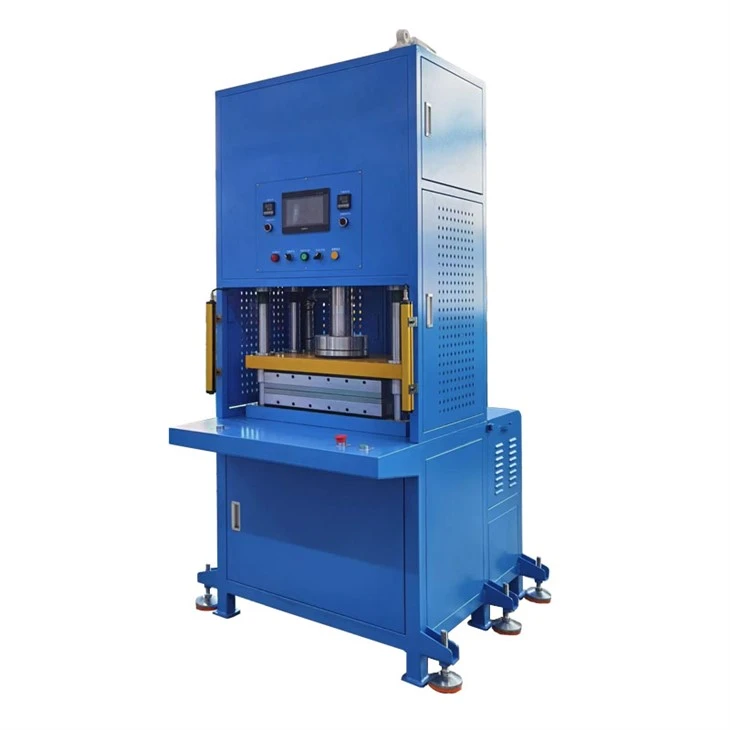

Now, let's talk about the work area. The area around the hydraulic press should be clean and free of clutter. This not only makes it easier to operate the press but also reduces the risk of tripping and falling. Make sure there are no tools, materials, or debris on the floor near the press.
The workbench or surface where the press is located should be stable and level. A wobbly surface can cause the press to tip over, which is extremely dangerous. If the press is not level, it can also affect the accuracy of the pressing operation.
It's also important to have a clear exit path in case of an emergency. In the event of a fire, a malfunction, or any other dangerous situation, you need to be able to get out of the area quickly. Make sure there are no obstacles blocking the exit.
When it comes to the hydraulic press itself, regular maintenance is crucial. Just like a car, a hydraulic press needs to be serviced regularly to keep it running smoothly and safely. Check the hydraulic fluid levels regularly. Low fluid levels can cause the press to overheat and malfunction.
Inspect the hoses and fittings for any signs of wear or damage. Cracked or leaking hoses can lead to hydraulic fluid leaks, which not only create a mess but can also be a fire hazard. If you notice any problems with the hoses or fittings, replace them immediately.
The pressure relief valve is another important component of the hydraulic press. This valve is designed to release excess pressure in the system to prevent damage to the press and to keep the operator safe. Make sure the pressure relief valve is set correctly and is functioning properly.
Before you start using the press, always do a pre - operation check. This includes checking the power supply, the controls, and the moving parts. Make sure everything is in good working condition. If you notice any strange noises, vibrations, or other issues during the pre - operation check, do not use the press. Instead, have it inspected by a qualified technician.
When loading and unloading materials into the press, use proper lifting techniques. Hydraulic presses are used to work with heavy materials, and improper lifting can lead to back injuries. If the material is too heavy to lift by yourself, use a hoist or other lifting equipment.
Be careful when positioning the materials in the press. Make sure they are centered and properly aligned. If the materials are not positioned correctly, it can cause uneven pressure on the press, which can lead to damage to the press or the materials.
Now, let's talk about some specific types of hydraulic presses. We offer a range of different models, like the 4 Post Hydraulic Press. These presses are known for their stability and high - capacity pressing. When using a 4 - post hydraulic press, make sure the posts are clean and free of any debris. The guides on the posts should also be lubricated regularly to ensure smooth operation.
Our Hydraulic Press with Foot Pedal is a popular choice for many users. It allows for hands - free operation, which can be very convenient. However, when using a foot - pedal - operated press, make sure your feet are clean and dry. A wet or dirty foot pedal can cause slippage, which can lead to accidental activation of the press.
The 20 Ton Benchtop Press is great for smaller - scale projects. But even though it's a benchtop model, it still has a lot of power. When using this press, make sure the bench is strong enough to support the weight of the press and the materials you're working with.
In addition to these safety precautions, it's also important to have a safety plan in place. This plan should include procedures for dealing with emergencies such as fires, hydraulic fluid leaks, and machine malfunctions. All operators should be familiar with the safety plan and know what to do in case of an emergency.
Finally, never leave the hydraulic press unattended while it's in operation. Even if you're just stepping away for a few seconds, turn off the press. This will prevent any accidental activation of the press and reduce the risk of injury.
If you're in the market for a hydraulic press, or if you have any questions about safety or maintenance, don't hesitate to reach out. We're here to help you choose the right press for your needs and to ensure that you use it safely. Whether you're a professional in an industrial setting or a DIY enthusiast, safety should always be your top priority when using a hydraulic press.
References
- General industry safety guidelines for machinery operation
- Manufacturer's manuals for hydraulic presses