Are there any noise issues with an electric over hydraulic press?
As a supplier of Electric Over Hydraulic Presses, I often get asked about the noise levels associated with these powerful machines. In this blog post, I'll delve into the topic, exploring whether there are indeed noise issues, what causes them, and how we address these concerns to provide our customers with a quiet and efficient pressing solution.
Understanding Electric Over Hydraulic Presses
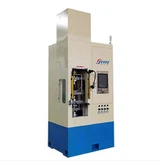
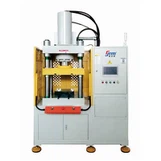
Before we discuss noise issues, let's briefly understand what an Electric Over Hydraulic Press is. These presses combine the benefits of electric power and hydraulic force. The electric motor drives a hydraulic pump, which then generates the high pressure needed for various pressing operations such as metal forming, punching, and assembly. They are known for their precision, reliability, and ability to handle a wide range of applications. We offer different types of presses, including the C Frame Press, Jet Hydraulic Press, and Small Hydraulic Press, each designed to meet specific industrial needs.
Potential Noise Sources in Electric Over Hydraulic Presses
There are several potential sources of noise in an electric over hydraulic press. Let's take a closer look at each of them:
1. Electric Motor Noise
The electric motor is one of the primary sources of noise in the press. When the motor is running, it generates mechanical vibrations that can produce audible noise. The noise level can vary depending on the motor's design, power rating, and operating speed. For example, a high - power motor running at a high speed will generally produce more noise than a lower - power motor operating at a slower speed. Additionally, if the motor is not properly balanced or if its bearings are worn out, the noise level can increase significantly.


2. Hydraulic Pump Noise
The hydraulic pump is another significant source of noise. As the pump pressurizes the hydraulic fluid, it creates pressure fluctuations and fluid flow disturbances. These can result in hydraulic noise, which can be a high - pitched whining or a more dull rumbling sound. The type of pump used (e.g., gear pump, piston pump) can also affect the noise level. Gear pumps, for instance, tend to be noisier than piston pumps due to the meshing of the gears.
3. Valve Noise
Valves in the hydraulic system are responsible for controlling the flow and pressure of the hydraulic fluid. When the valves open and close, they can create noise. This is especially true for high - pressure valves, where the sudden change in fluid flow can cause a sharp, popping sound. The design and quality of the valves can have a major impact on the noise they produce.
4. Mechanical Components
Other mechanical components in the press, such as the ram, the frame, and the connection points, can also contribute to noise. As the press operates, these components may vibrate and rub against each other, generating noise. Loose or worn - out components can exacerbate this problem.
Measuring Noise Levels
To assess the noise issues of an electric over hydraulic press, it's important to measure the noise levels accurately. Noise is typically measured in decibels (dB). In a typical industrial environment, background noise levels can range from 60 - 70 dB. For an electric over hydraulic press, the noise level can vary depending on the factors mentioned above. A well - designed and maintained press may produce noise levels in the range of 70 - 80 dB, which is comparable to the noise level of a busy office or a vacuum cleaner. However, in some cases, if there are issues with the motor, pump, or other components, the noise level can exceed 85 dB, which is considered potentially harmful to human hearing over long - term exposure.
Impact of Noise on the Workplace
Excessive noise in the workplace can have several negative impacts. From a human perspective, prolonged exposure to high - level noise can lead to hearing loss, stress, and fatigue. It can also interfere with communication between workers, increasing the risk of accidents. From a business perspective, high - noise levels can lead to lower productivity as workers may be distracted or uncomfortable. Additionally, companies may face regulatory issues if they do not comply with noise - level regulations in the workplace.
How We Address Noise Issues
As a supplier, we take noise issues very seriously. Here are some of the measures we take to minimize the noise levels of our Electric Over Hydraulic Presses:
1. Motor Selection and Design
We carefully select high - quality electric motors that are designed to operate quietly. These motors are often equipped with advanced insulation and vibration - damping features to reduce noise. We also ensure that the motors are properly sized for the press's requirements, so they do not have to operate at excessive speeds or loads, which can increase noise.
2. Hydraulic System Optimization
In the hydraulic system, we use high - quality pumps and valves that are designed to minimize noise. For example, we may use piston pumps instead of gear pumps in applications where low noise is a priority. We also optimize the hydraulic circuit design to reduce pressure fluctuations and fluid flow disturbances. This includes using appropriate piping sizes, avoiding sharp bends in the pipes, and installing pressure - relief valves to prevent sudden pressure changes.
3. Vibration Isolation
To reduce the transmission of vibrations from the motor and other components to the press frame and the surrounding environment, we use vibration - isolation mounts. These mounts are made of rubber or other elastic materials that absorb the vibrations and prevent them from being transferred as noise.
4. Regular Maintenance
We provide our customers with detailed maintenance guidelines to ensure that the press is kept in good working condition. Regular maintenance, such as checking and tightening mechanical components, replacing worn - out bearings, and changing the hydraulic fluid, can significantly reduce noise levels.
Customer Feedback and Satisfaction
We have received positive feedback from our customers regarding the noise levels of our Electric Over Hydraulic Presses. Many customers have noted that the presses operate quietly, which has improved the working environment in their factories. Our commitment to addressing noise issues has also helped us build a reputation for providing high - quality, reliable, and user - friendly equipment.
Conclusion
While there can be potential noise issues with an electric over hydraulic press, through careful design, component selection, and maintenance, these issues can be effectively managed. At our company, we are dedicated to providing our customers with presses that not only meet their performance requirements but also operate quietly and efficiently.
If you are in the market for an Electric Over Hydraulic Press and want to learn more about our products, or if you have any questions regarding noise levels or other aspects of our presses, we encourage you to contact us for a detailed discussion. We look forward to working with you to find the perfect pressing solution for your business.
References
- "Industrial Noise Control and Acoustics" by Clarence E. Bies and Benjamin R. Hansen
- "Hydraulic Systems: Design, Installation, and Maintenance" by Peter Nemes