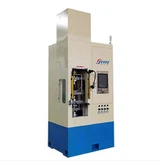
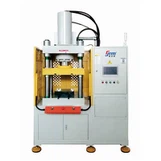
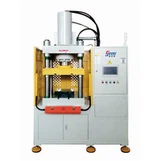
As a supplier of 20 Ton H Frame Presses, I often get asked whether this type of press can be used for punching operations. This is a crucial question for many potential customers who are looking to expand their manufacturing capabilities or streamline their production processes. In this blog post, I'll delve into the details of using a 20 Ton H Frame Press for punching, discussing its feasibility, limitations, and factors to consider.
Understanding the 20 Ton H Frame Press
Before we jump into punching operations, let's first understand what a 20 Ton H Frame Press is. The "20 Ton" refers to the press's capacity, which means it can exert a maximum force of 20 tons. The "H Frame" design is characterized by its robust structure, resembling the letter "H". This design provides excellent stability and support during the pressing process, making it suitable for a variety of applications.
The press typically consists of a frame, a hydraulic or mechanical system to generate the pressing force, a ram that moves up and down to apply the force, and a worktable where the workpiece is placed. Depending on the model, it can be powered by electricity, hydraulics, or a combination of both.
Feasibility of Using a 20 Ton H Frame Press for Punching
Punching is a process where a punch tool is used to create holes or cut shapes in a workpiece. It involves applying a significant amount of force to overcome the material's resistance and shear it. The question is, can a 20 Ton H Frame Press generate enough force for punching?
The answer is: it depends. The feasibility of using a 20 Ton H Frame Press for punching largely depends on the material being punched, the thickness of the material, and the size of the hole or shape being punched.
- Material Type: Different materials have different shear strengths. For example, soft materials like aluminum and brass have relatively low shear strengths, while harder materials like steel and stainless steel have much higher shear strengths. A 20 Ton H Frame Press can easily punch through thin sheets of soft materials, but it may struggle with thicker sheets or harder materials.
- Material Thickness: Thicker materials require more force to punch through. As a general rule, the thicker the material, the more force is needed. A 20 Ton H Frame Press may be sufficient for punching thin materials (e.g., up to 1/8 inch thick), but it may not be powerful enough for thicker materials.
- Hole or Shape Size: Larger holes or more complex shapes require more force to punch. This is because the punch tool has to shear a larger area of the material. If you're punching small holes (e.g., less than 1/2 inch in diameter), a 20 Ton H Frame Press may be adequate. However, if you need to punch larger holes or complex shapes, you may need a more powerful press.
Advantages of Using a 20 Ton H Frame Press for Punching
Despite its limitations, there are several advantages to using a 20 Ton H Frame Press for punching:
- Cost-Effective: Compared to larger, more powerful presses, a 20 Ton H Frame Press is relatively inexpensive. This makes it a great option for small to medium-sized businesses or those on a tight budget.
- Compact Size: The H Frame design is typically more compact than other types of presses, which means it takes up less floor space in your workshop. This can be a significant advantage if you have limited space.
- Versatility: A 20 Ton H Frame Press can be used for a variety of other applications besides punching, such as bending, forming, and assembly. This makes it a versatile tool that can add value to your manufacturing operations.
Limitations of Using a 20 Ton H Frame Press for Punching
While there are advantages, there are also some limitations to using a 20 Ton H Frame Press for punching:
- Limited Force: As mentioned earlier, a 20 Ton H Frame Press may not be powerful enough for punching thick or hard materials. If you need to punch through thicker sheets or harder materials, you may need to invest in a more powerful press, such as a 50 Ton Press.
- Slower Production Speed: Compared to larger presses, a 20 Ton H Frame Press may have a slower production speed. This is because it takes more time to generate the necessary force to punch through the material. If you need to produce a large number of punched parts quickly, a more powerful press may be a better option.
- Tooling Limitations: The size and type of punch tool that can be used with a 20 Ton H Frame Press may be limited. This can restrict the range of holes or shapes that you can punch. If you need to punch large or complex shapes, you may need to use a different type of press or invest in specialized tooling.
Factors to Consider When Using a 20 Ton H Frame Press for Punching
If you're considering using a 20 Ton H Frame Press for punching, there are several factors you need to consider:
- Tooling Selection: Choosing the right punch tool is crucial for successful punching. The punch tool should be made of high-quality materials and have the appropriate shape and size for the hole or shape you want to punch. You may also need to consider the clearance between the punch and the die, as this can affect the quality of the punched hole.
- Material Preparation: Proper material preparation is essential for punching. The material should be clean, flat, and free of any defects or contaminants. You may also need to lubricate the material to reduce friction and improve the punching process.
- Press Setup: The press should be properly set up and calibrated before punching. This includes adjusting the ram speed, stroke length, and pressure settings. You may also need to align the punch and die accurately to ensure a clean and precise punch.
- Safety Precautions: Punching can be a dangerous operation, so it's important to take appropriate safety precautions. This includes wearing protective gear, such as safety glasses and gloves, and following all safety guidelines and procedures. You should also ensure that the press is properly maintained and inspected regularly to prevent accidents.
Conclusion
In conclusion, a 20 Ton H Frame Press can be used for punching operations, but its feasibility depends on several factors, such as the material being punched, the thickness of the material, and the size of the hole or shape being punched. While it has some limitations, it also offers several advantages, such as cost-effectiveness, compact size, and versatility.
If you're considering using a 20 Ton H Frame Press for punching, it's important to carefully evaluate your specific needs and requirements. You may also want to consult with a professional or experienced supplier to get their advice and recommendations.
If you're interested in learning more about our 20 Ton H Frame Presses or have any questions about using them for punching, please don't hesitate to contact us. We're here to help you find the right solution for your manufacturing needs.


References
- Metal Forming Handbook: A Guide to Sheet Metal Forming Processes and Technologies
- Machinery's Handbook: A Reference Book for the Mechanical Engineer, Designer, Manufacturing Engineer, Draftsman, Toolmaker, and Machinist
- Hydraulic Press Design and Application Manual