Can a 30 Ton Press be used for bending?
Hey there! I'm a supplier of 30 ton presses, and I often get asked if these machines can be used for bending. Well, let's dive right into it and find out.
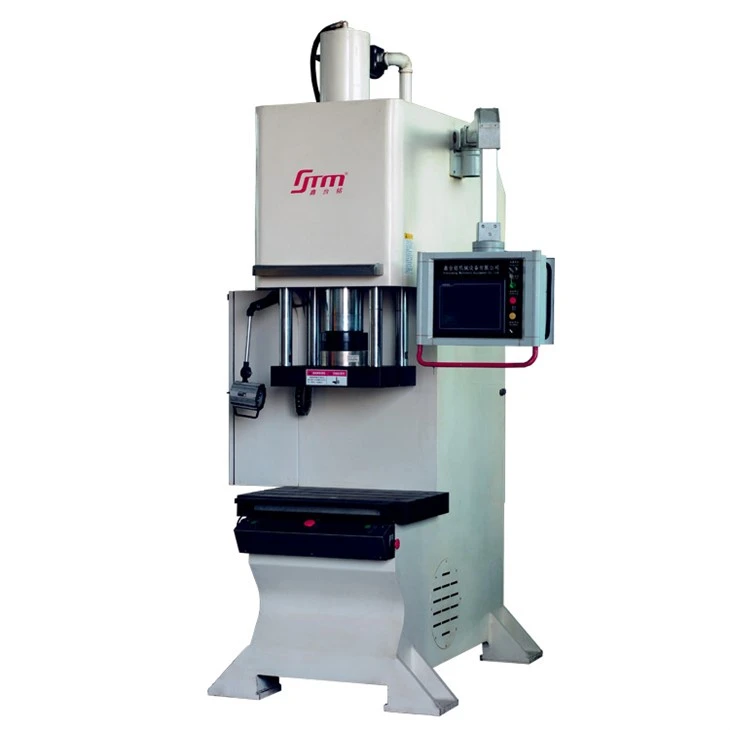
First off, what is a 30 ton press? It's a piece of equipment that can apply a force of 30 tons. That's a pretty hefty amount of power! These presses come in different types, like hydraulic presses. Hydraulic presses use fluid power to generate the force, and they're known for their precision and control.
Now, back to the main question: can a 30 ton press be used for bending? The answer is yes, but it depends on a few factors.

Factors to Consider
- Material Type: Different materials have different properties, especially when it comes to their ability to be bent. For example, soft metals like aluminum are relatively easy to bend compared to hard metals like steel. A 30 ton press can handle a fair amount of bending for softer materials. If you're working with thin sheets of aluminum, the press can apply enough force to bend them into the desired shape without much hassle. However, if you're dealing with thick steel plates, the 30 ton press might reach its limits. Steel is much stronger and requires more force to bend. You might find that the press struggles to make a significant bend in thick steel, or it might not be able to bend it at all.
- Thickness of the Material: The thickness of the material you want to bend is crucial. Thicker materials need more force to bend. A thin sheet of metal, say 1 - 2 mm thick, can be bent easily with a 30 ton press. But as the thickness increases, say to 5 mm or more, the press might have to work harder. If the material is too thick, the press might not be able to generate enough force to create a proper bend. You could end up with a partial bend or even damage the press if you try to force it too much.
- Bend Radius: The radius of the bend you want to achieve also matters. A smaller bend radius means a sharper bend, which requires more force. If you're looking to make a tight 90 - degree bend with a small radius, the 30 ton press might have to work harder compared to making a more gradual bend with a larger radius. For example, if you're trying to bend a piece of metal into a U - shape with a very small inside radius, the press needs to apply a concentrated force to make that sharp turn.
Advantages of Using a 30 Ton Press for Bending
- Cost - Effective: If you're a small - to - medium - sized business or a hobbyist, a 30 ton press is a relatively affordable option. You don't have to invest in a huge, expensive press if your bending needs are not too extreme. It can handle a decent amount of bending work without breaking the bank.
- Space - Saving: These presses are usually not as large as some of the heavy - duty industrial presses. They take up less space in your workshop, which is great if you have limited space. You can easily fit a 30 ton press in a corner of your shop and still have room to move around and work on other projects.
- Precision: Hydraulic 30 ton presses offer good precision. You can control the force applied, which means you can make accurate bends. This is important if you're working on projects where precision is key, like making parts for machinery or custom metalwork.
Limitations
- Limited Material Thickness and Strength: As mentioned earlier, the 30 ton press has its limits when it comes to bending thick or very strong materials. If you need to bend thick steel beams or large - scale metal structures, you'll probably need a press with more tonnage.
- Complex Bends: For very complex bends, such as multiple bends in different directions or bends with irregular shapes, the 30 ton press might not be sufficient. These types of bends often require more advanced machinery and greater force.
Other Applications of a 30 Ton Press
A 30 ton press isn't just for bending. It has other useful applications too. For example, it can be used for stamping. Stamping involves creating shapes or patterns on metal sheets by applying pressure. You can use a 30 ton press to stamp logos, numbers, or other designs on metal parts. Check out our Stamping Presses for more information on this application.
It can also be used for simple assembly tasks. You can use the press to press components together, like fitting bearings into shafts or attaching small parts to a larger structure.
If you're interested in smaller - scale hydraulic presses, we also offer Small Hydraulic Press options. And for those who prefer a jet - style hydraulic press, take a look at our Jet Hydraulic Press.
Conclusion
In conclusion, a 30 ton press can definitely be used for bending, but it has its limitations. It's a great option for bending softer and thinner materials, and it offers cost - effectiveness, space - saving, and precision. However, if you need to bend thick or very strong materials or perform complex bends, you might need to consider a press with more tonnage.
If you're thinking about purchasing a 30 ton press for your bending or other pressing needs, don't hesitate to reach out. We can provide more detailed information, answer your questions, and help you find the right press for your specific requirements. Whether you're a professional in the metalworking industry or a hobbyist looking to start a new project, we're here to assist you. Contact us to start the procurement process and let's see how a 30 ton press can work for you.
References
- "Metal Forming Handbook" - A comprehensive guide on different metal - forming processes including bending.
- "Hydraulic Press Technology" - A technical resource that explains the working principles of hydraulic presses and their applications.