Installing a 20 Ton Benchtop Press can seem like a daunting task, but with the right guidance, it can be a straightforward process. As a supplier of high - quality 20 Ton Benchtop Presses, I'm here to walk you through the installation steps and provide some useful tips along the way.
Pre - installation Preparations
Before you start the actual installation, there are several preparations you need to make. First, choose an appropriate location for your benchtop press. The surface should be flat, stable, and able to support the weight of the press. A sturdy workbench is usually a great choice. Make sure the area around the press is clear of any clutter, so you have enough space to work safely.
Next, gather all the necessary tools. You'll typically need a set of wrenches, a screwdriver, and possibly a level. Check the packaging of your 20 Ton Benchtop Press to ensure that all the parts are included. The package should contain the press body, hydraulic pump, control valves, and any necessary mounting hardware.

Unpacking and Inspection
Carefully unpack the benchtop press and lay out all the components. Inspect each part for any signs of damage during shipping. Look for dents, scratches, or loose fittings. If you notice any issues, contact our customer support team immediately. We stand behind the quality of our products and will do our best to resolve any problems.
Mounting the Press
The first step in the installation process is to mount the press on the workbench. Most 20 Ton Benchtop Presses come with pre - drilled holes for mounting. Place the press on the workbench in the desired position and align the holes on the press base with the holes on the workbench. Insert the mounting bolts through the holes and tighten them securely using a wrench. Make sure the press is level using a spirit level. An unevenly mounted press can affect its performance and safety.
Connecting the Hydraulic System
The hydraulic system is the heart of the 20 Ton Benchtop Press. Start by connecting the hydraulic pump to the press. Locate the hydraulic ports on the pump and the press and use the provided hydraulic hoses to connect them. Make sure the connections are tight to prevent any hydraulic fluid leaks.
Next, fill the hydraulic reservoir with the recommended hydraulic fluid. Check the user manual for the specific type and quantity of fluid required. Overfilling or using the wrong type of fluid can damage the hydraulic system.
Installing the Control Valves
The control valves allow you to operate the press. Mount the control valves in a convenient location near the press. Connect the control valves to the hydraulic system using the appropriate hoses. Make sure all the connections are secure.
Electrical Connections (if applicable)
Some 20 Ton Benchtop Presses may have electrical components, such as a motor for the hydraulic pump. If your press has electrical parts, follow the electrical wiring diagram provided in the user manual. Ensure that the power supply is compatible with the press's electrical requirements. It's crucial to follow all electrical safety guidelines to prevent electrical shocks or fires.
Testing the Press
Once all the components are installed and connected, it's time to test the press. Before turning on the power or operating the hydraulic pump, double - check all the connections and make sure everything is in place.
Start the hydraulic pump and slowly operate the control valves to test the up and down movement of the press ram. Check for any unusual noises, vibrations, or leaks. If you notice any problems, stop the press immediately and troubleshoot the issue.
Safety Precautions
Safety should always be your top priority when installing and operating a 20 Ton Benchtop Press. Make sure you wear appropriate personal protective equipment, such as safety glasses and gloves. Familiarize yourself with all the safety features of the press, such as emergency stop buttons and safety guards.
Keep the work area clean and organized. Avoid wearing loose clothing or jewelry that could get caught in the moving parts of the press.
Additional Tips
- Regular maintenance is essential to keep your 20 Ton Benchtop Press in good working condition. Follow the maintenance schedule provided in the user manual.
- If you're unsure about any step of the installation process, refer to the user manual or contact our technical support team. We're here to help you every step of the way.
Types of Presses
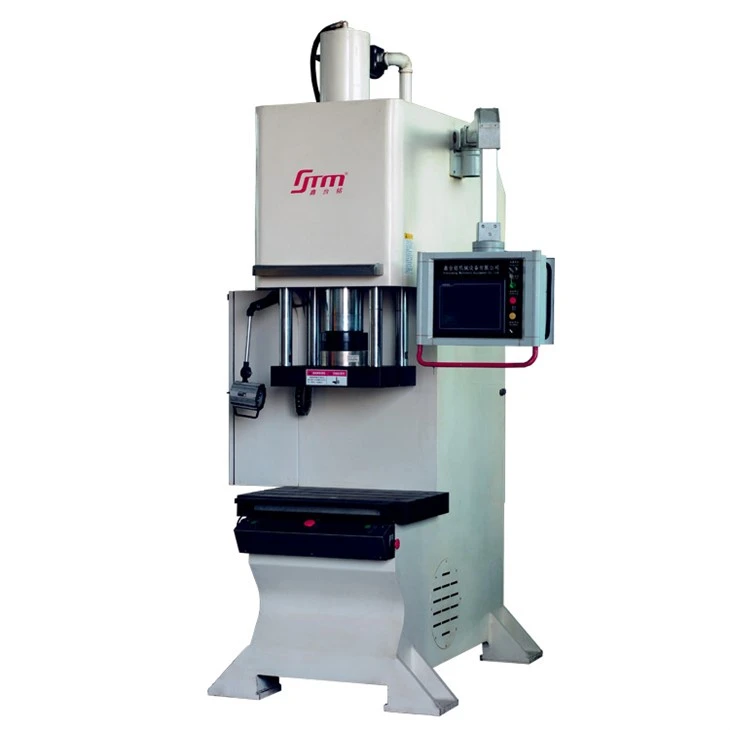
In addition to the 20 Ton Benchtop Press, we also offer a variety of other presses, such as the Air Operated Hydraulic Press, C Frame Press, and Stamping Presses. Each type of press has its own unique features and applications. If you have specific requirements for your manufacturing process, our team can help you choose the right press for your needs.
Conclusion
Installing a 20 Ton Benchtop Press may seem complex at first, but by following these steps and taking the necessary precautions, you can have your press up and running in no time. Our company is committed to providing high - quality products and excellent customer service. If you're in the market for a 20 Ton Benchtop Press or any other type of press, we encourage you to contact us for a detailed discussion about your requirements. Our experienced sales team can provide you with more information about our products, pricing, and delivery options. We look forward to working with you and helping you find the perfect press solution for your business.
References
- Manufacturer's User Manual for 20 Ton Benchtop Press
- Hydraulic System Installation Guides
- Safety Standards for Industrial Presses