Hey there! As a supplier of Hydraulic Hose Press, I often get asked about the maximum working pressure for high - pressure hoses in a hydraulic hose press. It's a crucial question, and in this blog, I'm gonna break it down for you.
First off, let's understand what high - pressure hoses are and why their maximum working pressure matters. High - pressure hoses are used in a wide range of applications, from industrial machinery to construction equipment. They're designed to carry fluids under high pressure, and the maximum working pressure is the highest pressure that the hose can safely handle over its normal service life.
In a hydraulic hose press, these hoses play a vital role. The press uses hydraulic power to perform various tasks, like crimping, and the hoses are responsible for transmitting the hydraulic fluid that generates the necessary force. If the pressure in the hoses exceeds their maximum working pressure, it can lead to some serious problems.
One of the most obvious issues is hose failure. When the pressure is too high, the hose might burst, which can be extremely dangerous. Not only can it cause physical harm to nearby workers, but it can also damage the equipment. And let's not forget about the downtime. If a hose bursts, you'll have to stop the operation, replace the hose, and potentially deal with any other damage that occurred, all of which can cost you time and money.
So, what determines the maximum working pressure for high - pressure hoses in a hydraulic hose press? Well, there are several factors.
The first factor is the hose construction. High - pressure hoses are typically made up of an inner tube, reinforcement layers, and an outer cover. The inner tube is in direct contact with the hydraulic fluid, and its material and thickness can affect the pressure - handling capacity. For example, hoses with a more durable inner tube material can generally withstand higher pressures.
The reinforcement layers are also crucial. These layers provide the strength and support needed to keep the hose from expanding or bursting under pressure. Hoses can have different types of reinforcement, such as braided or spiral - wound steel wires. Spiral - wound reinforcement, for instance, is often used in hoses that need to handle very high pressures because it provides better strength and stability.
Another factor is the temperature. Hydraulic systems can generate a lot of heat, and high temperatures can reduce the maximum working pressure of the hoses. As the temperature rises, the material of the hose can become softer and less able to withstand pressure. So, it's important to consider the operating temperature when choosing a high - pressure hose for your hydraulic hose press.
The type of hydraulic fluid used also matters. Different fluids have different properties, and some can be more corrosive or abrasive than others. If the fluid is too harsh on the hose material, it can weaken the hose over time and reduce its maximum working pressure.
Now, how do you find out the maximum working pressure for a specific high - pressure hose? Well, most hoses come with a label or a specification sheet that indicates their maximum working pressure. It's important to always check this information before using the hose in your hydraulic hose press.
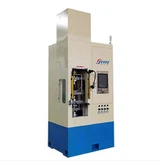
As a Hydraulic Hose Press supplier, we offer a variety of presses to meet different needs. For example, our Electric Over Hydraulic Press is a great option for those who need a reliable and efficient press. It combines the power of electricity and hydraulics to provide smooth and precise operation.
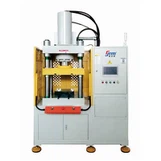
If you're looking for a press with a bit more power, our 20 Ton Electric Hydraulic Press might be the right choice. With a 20 - ton capacity, it can handle more demanding tasks, and it's designed to work with high - pressure hoses effectively.
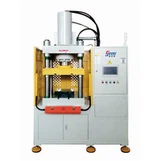
And for those special applications where heat is involved, our Hot Hydraulic Press is a top - notch option. It's built to withstand high temperatures and can still provide the necessary pressure for your operations.


When it comes to choosing the right high - pressure hoses for your hydraulic hose press, it's not just about the maximum working pressure. You also need to consider factors like the length of the hose, the connection type, and the compatibility with your press.
If you're unsure about which hoses or press is right for you, don't hesitate to reach out. We're here to help you make the best decision for your business. Whether you're a small - scale operation or a large industrial company, we have the expertise and the products to meet your needs.
In conclusion, understanding the maximum working pressure for high - pressure hoses in a hydraulic hose press is essential for the safety and efficiency of your operations. By considering the factors that affect this pressure and choosing the right hoses and press, you can ensure that your hydraulic system runs smoothly and without any major issues. So, if you're in the market for a hydraulic hose press or high - pressure hoses, give us a shout. We're ready to assist you with your procurement and answer any questions you might have.
References
- Hydraulic Hose Handbook, various industry publications
- Manufacturer's specifications for high - pressure hoses and hydraulic hose presses