Can a fast hydraulic press be integrated into an automated production line?
In the dynamic landscape of modern manufacturing, the integration of advanced machinery into automated production lines has become a pivotal strategy for enhancing efficiency, precision, and productivity. As a leading supplier of fast hydraulic presses, I am often asked whether these powerful machines can be seamlessly incorporated into automated production processes. In this blog post, I will explore the feasibility, benefits, and considerations of integrating a fast hydraulic press into an automated production line.
Understanding Fast Hydraulic Presses
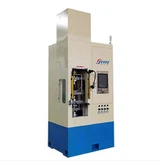
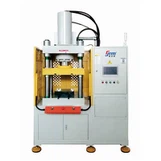
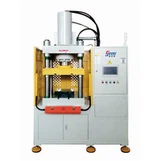
Before delving into the integration process, it is essential to understand the capabilities and features of fast hydraulic presses. These machines utilize hydraulic power to generate high force, making them ideal for a wide range of applications, including metal forming, stamping, molding, and assembly. Fast hydraulic presses are designed to operate at high speeds, enabling rapid cycle times and increased production rates. They offer precise control over force, speed, and position, ensuring consistent and accurate results.
One of the key advantages of fast hydraulic presses is their versatility. They can be customized to meet the specific requirements of different industries and applications. For example, a Hydraulic Press with Foot Pedal provides manual control for operators, allowing for greater flexibility in certain processes. On the other hand, a 20 Ton Hydraulic Press offers higher force capabilities for heavy-duty applications. Additionally, Small Hydraulic Press are suitable for small-scale production or applications with limited space.
Feasibility of Integration
The integration of a fast hydraulic press into an automated production line is indeed feasible, thanks to advancements in technology and the availability of sophisticated control systems. Modern hydraulic presses are equipped with programmable logic controllers (PLCs) and sensors that enable seamless communication with other components of the production line. These control systems allow for precise synchronization of the press with other machines, such as robots, conveyors, and feeders.
To integrate a fast hydraulic press into an automated production line, several factors need to be considered. Firstly, the press must be compatible with the existing automation infrastructure. This includes ensuring that the press has the necessary interfaces and communication protocols to connect with other machines. Additionally, the press should be able to operate within the specified cycle times and production rates of the automated line.


Secondly, the layout of the production line needs to be carefully planned to accommodate the hydraulic press. The press should be positioned in a way that allows for easy access for maintenance and operator intervention. It is also important to consider the safety requirements of the automated line, such as guarding and emergency stop systems.
Benefits of Integration
Integrating a fast hydraulic press into an automated production line offers numerous benefits for manufacturers. One of the primary advantages is increased productivity. By automating the pressing process, manufacturers can achieve higher production rates and reduce labor costs. The fast cycle times of hydraulic presses, combined with the ability to operate continuously, result in significant improvements in overall efficiency.
Another benefit is improved quality control. Automated systems can ensure consistent and accurate pressing operations, reducing the risk of human error. The precise control over force, speed, and position provided by hydraulic presses helps to produce high-quality parts with tight tolerances. This is particularly important in industries such as automotive, aerospace, and electronics, where quality is of utmost importance.
Integration also enhances safety in the workplace. By removing operators from the direct vicinity of the pressing operation, the risk of accidents and injuries is significantly reduced. Automated systems can be equipped with safety features such as light curtains, emergency stop buttons, and interlocks to ensure the safety of workers.
Furthermore, integrating a fast hydraulic press into an automated production line allows for greater flexibility and adaptability. Manufacturers can easily adjust the production process to accommodate different product specifications and production volumes. This flexibility enables companies to respond quickly to changing market demands and stay competitive in the industry.
Considerations for Integration
While the benefits of integrating a fast hydraulic press into an automated production line are significant, there are also several considerations that manufacturers need to keep in mind. One of the main challenges is the initial investment required. The cost of purchasing and installing a hydraulic press, as well as integrating it with the existing automation infrastructure, can be substantial. However, it is important to consider the long-term benefits and cost savings that can be achieved through increased productivity and improved quality.
Another consideration is the need for specialized knowledge and expertise. Integrating a hydraulic press into an automated production line requires a thorough understanding of both hydraulic and automation technologies. Manufacturers may need to invest in training their employees or hire external experts to ensure a successful integration.
Maintenance and support are also important factors to consider. Hydraulic presses require regular maintenance to ensure optimal performance and longevity. It is essential to have a reliable maintenance plan in place and access to technical support from the press manufacturer.
Conclusion
In conclusion, a fast hydraulic press can be successfully integrated into an automated production line, offering numerous benefits for manufacturers. The advancements in technology and the availability of sophisticated control systems have made it possible to achieve seamless communication and synchronization between the press and other components of the automated line. By increasing productivity, improving quality control, enhancing safety, and providing greater flexibility, the integration of a fast hydraulic press can help manufacturers stay competitive in the modern manufacturing landscape.
If you are considering integrating a fast hydraulic press into your automated production line, I encourage you to contact us for more information. Our team of experts can provide you with detailed technical specifications, customized solutions, and support throughout the integration process. We are committed to helping you achieve your production goals and maximize the efficiency of your manufacturing operations.
References
- [Author, A. (Year). Title of Book. Publisher.]
- [Author, B. (Year). Title of Article. Journal Name, Volume(Issue), Page Numbers.]
- [Author, C. (Year). Title of Report. Organization Name.]